AI in Healthcare Shifts to Physician-Led Development and Security Risks

Physicians are increasingly building custom clinical tools with agentic AI while security experts warn of new vulnerability risks in AI-generated code.
Physicians are increasingly building custom clinical tools with agentic AI while security experts warn of new vulnerability risks in AI-generated code.

Meta announced layoffs affecting 10% of its workforce while redirecting billions toward artificial intelligence infrastructure and talent acquisition.
Local Charleston tattoo artists report clients increasingly bringing AI-generated designs, creating tension between efficiency gains and artistic authenticity.
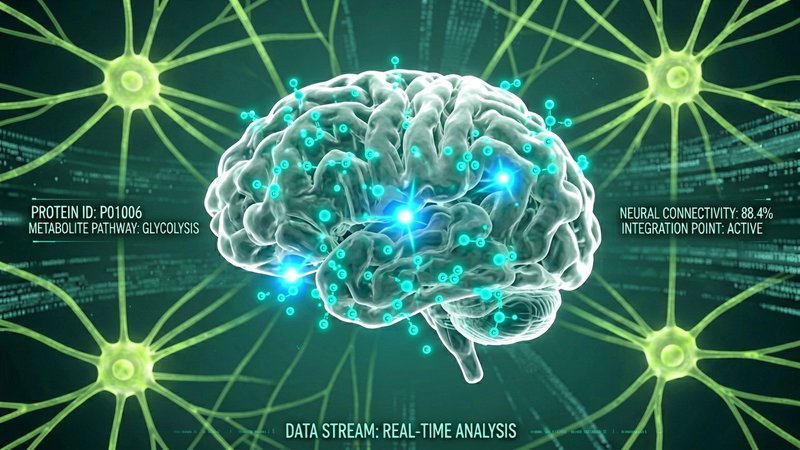
Researchers from Wroclaw Medical University published findings showing artificial intelligence can detect early molecular kidney disease markers through proteomics and metabolomics integration.

The Holy See has formalized AI oversight policies requiring ethical, transparent systems while Pope Leo XIV warns clergy against using AI for homilies.

Google's Gemma 4 multimodal model now demonstrates Voice-Language-Action capabilities on NVIDIA's edge hardware, running locally with vision and audio processing.

Google announced construction of its first data center in Austria, creating 100 direct jobs while committing to heat recovery and local water ecosystem improvements.

Google's eighth-generation TPUs now come as two specialized chips—TPU 8t for training and TPU 8i for inference—marking a structural shift in AI accelerator design for the agentic era.

OpenAI's GPT-5.5 outperforms rivals on benchmarks while Anthropic faces backlash over reduced model performance and security concerns around its secret "Mythos" model.

A security flaw in Cursor AI could allow attackers to hijack developer machines by embedding malicious prompts in repository files, requiring only that users open the repository.