Unity Rolls Out AI Assistant Suite in Open Beta for Unity 6
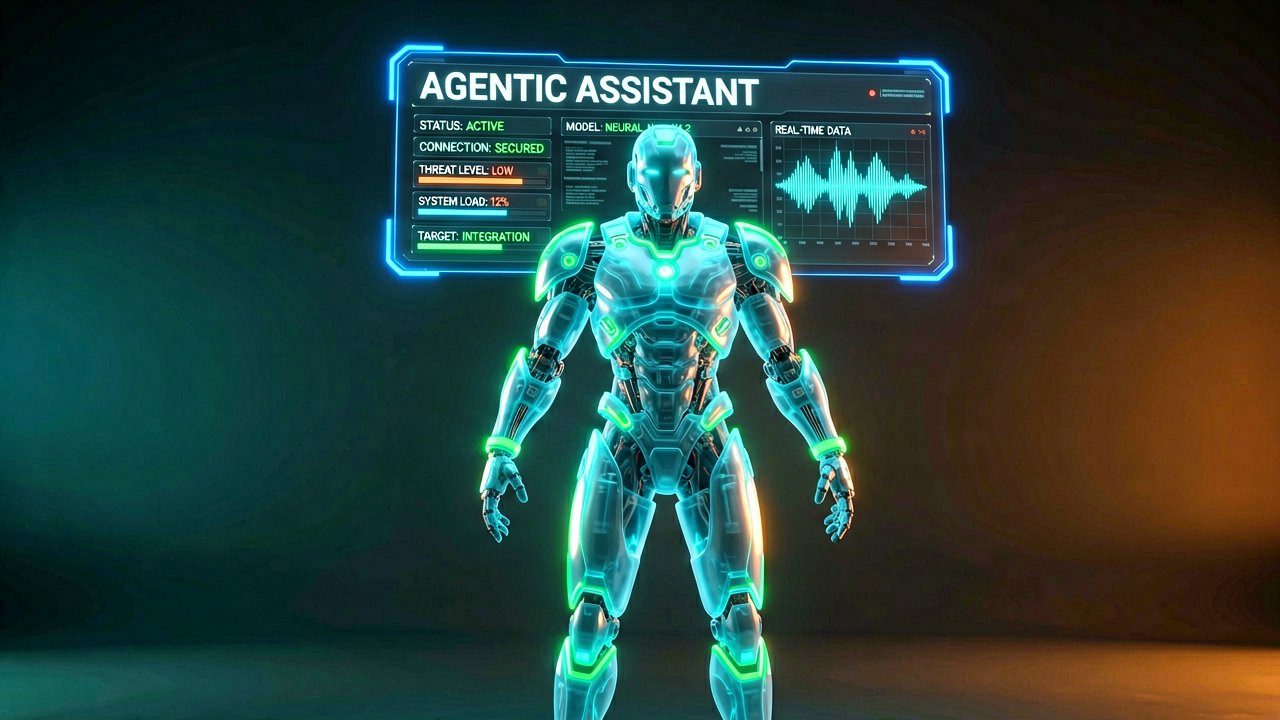
The game engine company Unity has officially launched an open beta of its new AI toolset, targeting developers working on Unity 6 or later versions. The announcement marks a significant shift in how the platform approaches AI integration—moving beyond simple code completion toward an agentic system that can execute multi-step tasks directly within the editor.
At the core of this release is the Agentic Assistant, a feature designed to understand project context and operate within Unity workflows rather than functioning as a generic chatbot. According to the official Unity forum announcement, the assistant operates in three modes: Ask, Agent, and Plan. The Plan mode is particularly notable—it takes loose design ideas and converts them into implementation steps, following through on end-to-end instructions rather than prematurely marking tasks complete.
Independent coverage from GamesIndustry.biz confirms the scope of the feature set, including the ability to generate placeholder assets like materials, sounds, cubemaps, and both 2D and 3D assets. Developers can also use image references to set up scenes with primitives, or paste a Figma link to generate production-ready UI code without manual exports.
The physical reality of using these tools matters more than the marketing language suggests. When the assistant makes changes, it verifies results directly in the editor before handing work back—reducing the risk of breaking other systems. Checkpoints allow instant rollback across both code and assets, giving developers space to experiment without fear of permanent damage. Generated assets are automatically tagged, making them easy to audit and replace before shipping (a critical detail for teams worried about asset ownership).

Unity has also built infrastructure for developers who prefer their own AI tools. The AI Gateway lets users bring their own API keys for third-party agents directly into the Assistant interface. Alternatively, the Model Context Protocol (MCP) server enables control of the Editor from external IDEs or preferred LLM applications. This flexibility is important—developers aren't locked into Unity's agent if they've already invested in other AI subscriptions.
Pricing structure reveals a clear segmentation strategy. Unity Pro, Enterprise, and Industry subscribers automatically receive these features and credits upon installing the Assistant package. Personal Edition users face a different path: a 14-day free trial with 1,000 credits, followed by a $10 monthly subscription for 1,000 AI credits. Additional credit bundles are available for purchase if the monthly allocation runs out.
The timing of this announcement aligns with broader strategic shifts at Unity. In 2025, the company launched Vector, an AI-driven ad network that now represents 56% of Grow Solutions revenue. To concentrate on high-growth areas like Vector, Unity has disclosed plans to discontinue its IronSource advertising network and divest its mobile publishing arm, Supersonic. The AI tools suite appears to be part of a larger pivot toward higher-margin, technology-focused revenue streams.
Data privacy concerns have plagued AI tool adoption in creative industries. Unity states that by default, user data is used solely to provide the service and is not used to train AI models. This distinction matters for studios working with proprietary code or licensed IP. The company points developers to documentation for more details on data handling policies.

This isn't Unity's first attempt at generative AI for game development. The company previously launched Unity Muse, a similar suite of tools that was later deprecated. The new approach differs in key ways—it's built directly into the editor workflow rather than as a separate application, and it emphasizes execution over suggestion. The ability to profile performance bottlenecks, debug animation state machines, and create custom editor tools represents a deeper integration than previous iterations.
Industry reaction has been mixed. Some developers appreciate the ability to streamline repetitive tasks like scene setup or UI creation. Others remain skeptical about AI-generated code quality and the long-term maintainability of assets created by automated systems. The checkpoint and rollback features address some of these concerns, but they don't eliminate the fundamental question of whether AI-generated content will hold up under production pressure.
The beta availability means the tools are not yet finalized. Bugs, unexpected behavior, and feature changes are expected. For studios considering adoption, the 14-day trial window provides enough time to test the assistant on non-critical projects before committing to a subscription. The $10 monthly cost is relatively low for individual developers, but it adds up for teams with multiple seats.
Whether this actually speeds up development or just creates new technical debt remains to be seen. The tools work best for boilerplate tasks and placeholder content—areas where speed matters more than perfection. For core gameplay systems, the human-in-the-loop requirement is still significant. Developers will need to verify, refine, and often rewrite AI-generated code before it's production-ready.
Unity's move reflects broader industry trends toward AI-assisted development, but the execution details matter more than the announcement. The ability to integrate third-party tools, the checkpoint system, and the focus on Unity-specific workflows suggest the company has learned from earlier missteps. Whether developers actually pay for it, beyond the initial curiosity trial, remains the real question.
Artūras Malašauskas is an AI Systems Integrator with 20+ years of production-grade web engineering experience. He has designed, shipped, and scaled enterprise Python/PHP systems for logistics, SaaS, and public-sector clients. For the past year, he has focused exclusively on AI integrations: deploying open-source LLMs, building generative media pipelines (image, audio, video), and engineering multi-agent workflows for real production environments. His standard: reproducibility, security, cost-efficient inference—no vaporware. He documents and evaluates emerging AI tooling, separating verified capabilities from marketing noise. Technical editor at: muza-ai.eu, ai-verslas.lt, ai-naujinos.lt Connect on LinkedIn
Comments