WordPress 7.0 Arrives: Why Core AI is a Game-Changer (And What Got Left Behind)
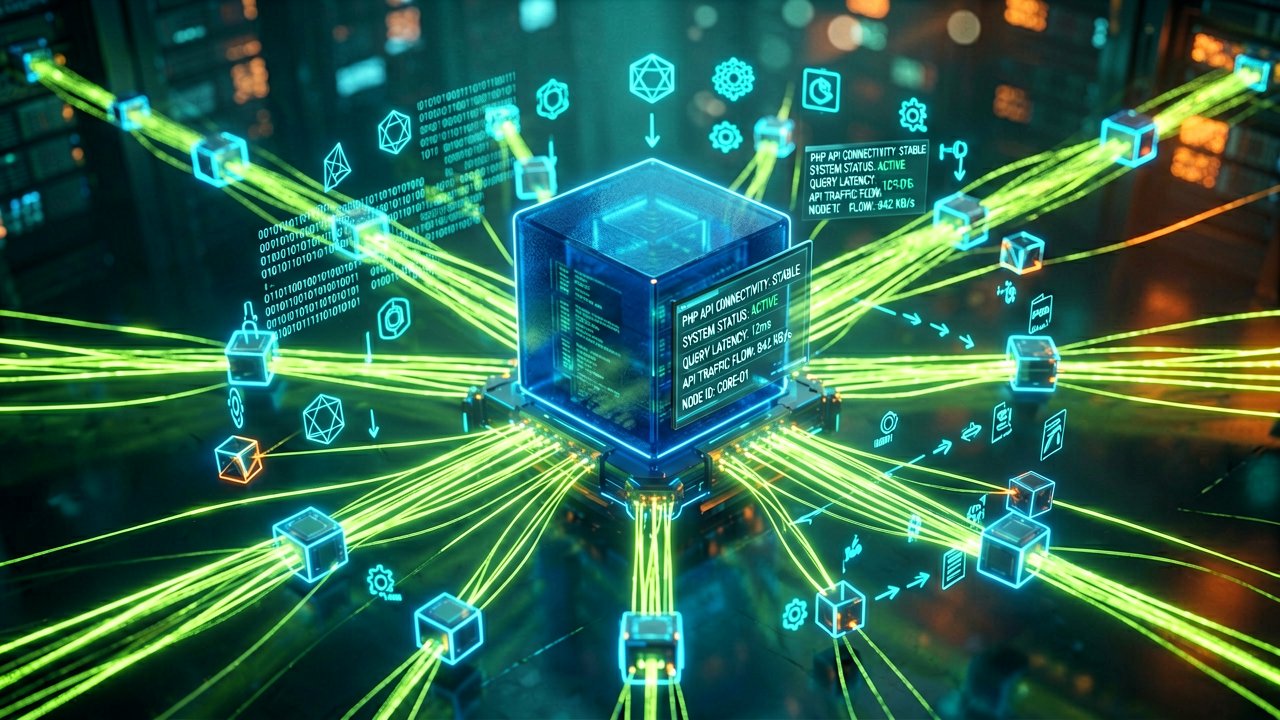
The web’s most dominant content management system just took its biggest leap in years. Following weeks of intense architectural polishing and an extended release candidate phase, WordPress 7.0 officially launched on May 20, 2026. While initial hype cycles heavily favored the long-promised real-time collaboration features, project leadership made the executive decision to pull co-editing from the final build after testing revealed critical database and performance stability bottlenecks. Instead, version 7.0 shifts its entire spotlight to an entirely different kind of revolution: a deep, native AI infrastructure baked directly into the platform's core.
This isn't about slapping another superficial chatbot widget into the post editor. According to a detailed breakdown by Search Engine Journal, the software update fundamentally changes how the CMS handles automation by introducing a unified backend layer. Instead of forcing site owners to install fragmented, third-party plugins that bloat the database and store API credentials haphazardly across various menus, WordPress 7.0 acts as a centralized routing hub. Creators simply plug in an API key from their large language model provider of choice once, and the core handles the rest.
The Anatomy of the New Engine
At the center of this architectural shift is the WP AI Client, a provider-agnostic PHP API that allows plugins and themes to communicate seamlessly with external artificial intelligence engines. Rather than writing unique code for OpenAI, Google Gemini, or Anthropic, developer tools now speak a universal language handled by WordPress. This is flanked by a dedicated Connectors screen inside the admin settings, giving administrators granular control over which external models are active on their system.
The true magic, however, happens through the client-side Abilities API. This framework allows automation tools to interact directly with browser-level actions. Rather than merely spitting out text block by block, native AI agents can now participate in complex publishing workflows, automatically generate context-aware alt text for media libraries, construct layouts, and trigger admin-level commands. This moves the platform closer to an agentic future where the system handles operational logistics while humans focus purely on strategy.

Under the Hood Upgrades
Beyond the intelligence layer, the platform mandates crucial technical housekeeping. The baseline requirement has formally stepped up, meaning that systems must run at least PHP 7.4 to ensure optimal compatibility with the new code architecture. The entire administration dashboard has also received a sleek, modernized visual overhaul. This update improves responsive behavior on mobile viewports and integrates a highly responsive command palette shortcut to accelerate daily site management tasks.
Agencies and enterprise teams should approach the upgrade path with a disciplined, staging-first philosophy. Dropping support for older scripting environments and introducing a brand-new internal API structure means that legacy themes or custom-coded functions could face unexpected friction. Navigating major version shifts requires patience, but the foundation laid here prepares the open web to compete directly against proprietary, closed-source ecosystems for the next decade.
Behind the Scenes of the Architectural Tug-of-War
What Most Reports Miss about the WordPress 7.0 release is the intense, high-stakes debate that occurred within the core developer community regarding the exclusion of real-time collaboration. For over a year, the promise of Google Docs-style co-editing within the Gutenberg block editor was touted as the definitive feature of Phase 3 development. However, early beta tests under heavy server simulation exposed severe database locking issues. When multiple users attempted simultaneous edits, the platform's traditional database architecture struggled with the data sync overhead, threatening to spike hosting costs for millions of shared-hosting users. Project leadership ultimately chose the platform's historical commitment to backward compatibility and performance over a rushed feature rollout, pivoting the launch focus squarely onto the ready-and-optimized artificial intelligence frameworks.
This pivot exposed an underlying philosophical tension within the open-source community. Veteran developers initially argued that integrating AI capabilities into the core engine violated the long-standing WordPress mantra of "plugin first"—the design philosophy stating that specialized functionalities should remain optional add-ons rather than bloated core code. The counter-argument, which eventually won the day, pointed to the rapid fragmentation of the web ecosystem. Proprietary website builders like Squarespace, Wix, and Shopify were aggressively rolling out native, frictionless automation suites. To maintain its massive market share, WordPress needed to provide a standardized, highly secure data highway for these models directly out of the box, preventing a chaotic "Wild West" scenario of poorly coded, insecure third-party connectors.
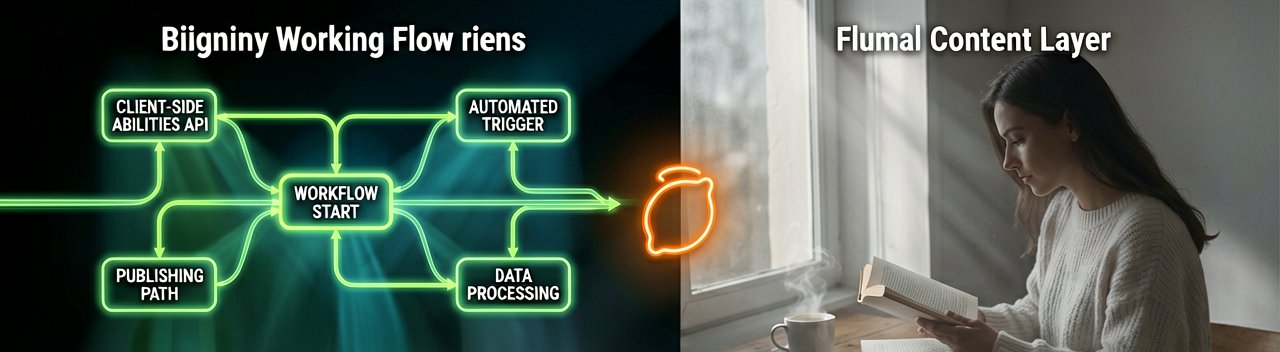
Security analysts are particularly praised the architecture of the new Connectors screen, noting it solves a massive enterprise headache. In older setups, every individual automation plugin required its own direct access to external API keys, scattering sensitive corporate credentials across various database tables. By centralizing the API handshake within the core software, WordPress 7.0 introduces an isolated encryption layer. Corporate IT departments can now authorize a single OpenAI or Anthropic key at the network level, audit exactly how many tokens are consumed by content teams, and restrict specific user roles from triggering costly API calls. This mitigation strategy transforms the platform from a perceived security liability into a viable enterprise-grade hub.
The transition to a higher baseline environment also marks an aggressive stance on technical debt. Forcing a shift to newer infrastructure standardizes modern data processing routines that are necessary to parse complex web requests efficiently. While some legacy shared-hosting providers scrambled to update their server stacks ahead of the launch, the consensus among web agencies is that this forced modernization was long overdue. The faster execution speeds inherent to updated server environments ensure that the new automated client-side actions execute without stalling the visitor-facing frontend, keeping Core Web Vitals pristine.
Looking ahead, the infrastructure established in this version lays the groundwork for the eventual reintroduction of the delayed collaboration tools. By decoupling the content processing layer from standard database queries via the new internal APIs, developers can now build asynchronous pipelines. This means future updates can handle simultaneous user edits through the exact same channels currently routing automated agent tasks. Instead of a fractured platform trying to catch up to modern tech trends, the software now possesses a unified, forward-looking foundation capable of managing both human and machine-driven workflows simultaneously.
Reading Between the Lines of the Automated Web
Reading Between the Lines: The celebratory tone surrounding the launch of WordPress 7.0 masks a deeply ironic contradiction. For over two decades, the platform's core identity rested on democratizing publishing, transforming everyday individuals into independent creators. By embedding a native AI routing layer directly into the engine, the platform risks accelerating a shift from human-centric curation to automated content farms. The ease with which the client-side Abilities API can now trigger bulk publishing workflows means the open web could soon face an unprecedented deluge of synthetically generated, SEO-optimized text, ironically making it harder for genuine human voices to stand out on the very platform built to empower them.
Furthermore, the claim that version 7.0 democratizes access to artificial intelligence by remaining provider-agnostic ignores the harsh economic realities of the modern web. While WordPress provides the software plumbing for free, accessing premium large language models requires ongoing token expenses. For enterprise agencies, a centralized API console is an efficient administrative blessing; for a casual blogger or small business owner operating on a shoestring budget, managing fluctuating API billing cycles adds a frustrating layer of financial friction. This reality fractures the community into those who can afford to automate their operations at scale and those left behind relying on basic, underpowered open-source models.
The sudden pivot away from real-time collaboration also reveals a significant crack in the project’s governance model. Shelving a flagship feature after years of public promotion suggests that the platform’s development cycle remains reactionary, forced to scramble toward the latest industry buzzword at the expense of core engineering stability. By redirecting massive engineering resources to build a native AI framework while fundamental database performance issues remain unresolved, the leadership prioritized marketing optics over structural health, betting that the hype of machine learning would overshadow the disappointment of a missing co-editing experience.
Ultimately, this architectural shift forces web professionals to re-evaluate what a content management system is actually meant to do. WordPress is no longer just a passive digital filing cabinet for HTML files; it is actively transitioning into an operational operating system run by autonomous scripts. While this evolution promises immense productivity gains for developers building complex enterprise workflows, it strips away the simplicity that made the software a global standard in the first place, turning a beloved blogging tool into a complex corporate engine.
"We spent twenty years teaching the world how to use a keyboard just to build a platform that writes everything for us, proving that the ultimate peak of web innovation is making sure nobody actually has to read or write anything ever again."
Artūras Malašauskas is an AI Systems Integrator with 20+ years of production-grade web engineering experience. He has designed, shipped, and scaled enterprise Python/PHP systems for logistics, SaaS, and public-sector clients. For the past year, he has focused exclusively on AI integrations: deploying open-source LLMs, building generative media pipelines (image, audio, video), and engineering multi-agent workflows for real production environments. His standard: reproducibility, security, cost-efficient inference—no vaporware. He documents and evaluates emerging AI tooling, separating verified capabilities from marketing noise. Technical editor at: muza-ai.eu, ai-verslas.lt, ai-naujinos.lt Connect on LinkedIn
Comments