US Coast Guard Deploys Autonomous Saildrones Across Great Lakes
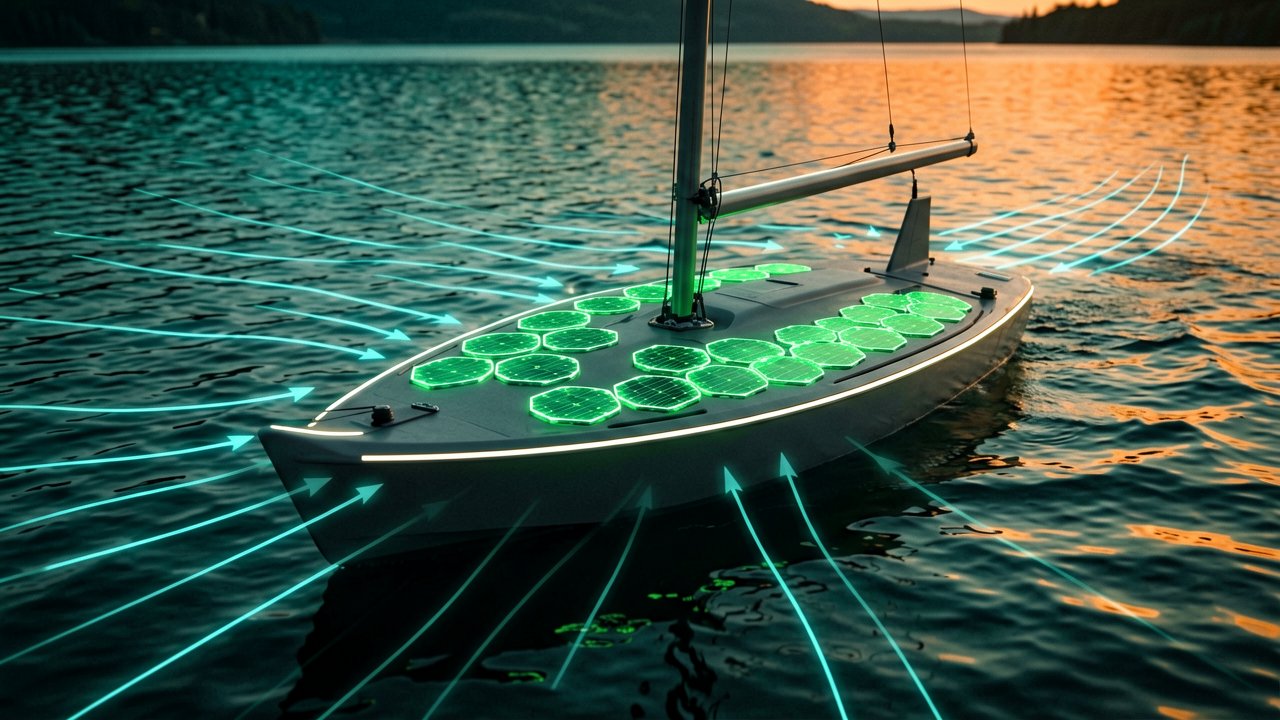
The U.S. Coast Guard is deploying autonomous surface vessels across the Great Lakes this year, marking a significant expansion of unmanned maritime surveillance operations. The deployment covers more than 90,000 square miles of interconnected waterways and international shipping routes connecting the United States and Canada.
According to the official Coast Guard release, the autonomous drones will operate from May through October to strengthen maritime domain awareness and emergency response capabilities. The wind- and solar-powered vessels, built by Saildrone, will monitor vessel movements, gather critical weather data, and track illicit activity across the region.
Each unmanned surface vehicle carries radar systems, optical cameras, and collision-avoidance artificial intelligence. Human operators continuously monitor the systems and can assume manual control when necessary (a safeguard that keeps the tech from feeling like a fully automated black box). The hybrid-electric propulsion system combines wind propulsion through the proprietary Saildrone Wing with solar-powered battery systems, allowing the vessels to remain operational for extended periods while collecting real-time data.
The Great Lakes region presents unique operational challenges because of its size and heavy commercial traffic. The waterways connect directly to international shipping corridors, making surveillance coverage critical for border security operations. Coast Guard officials expect the autonomous systems to improve surveillance coverage without increasing crew demands.
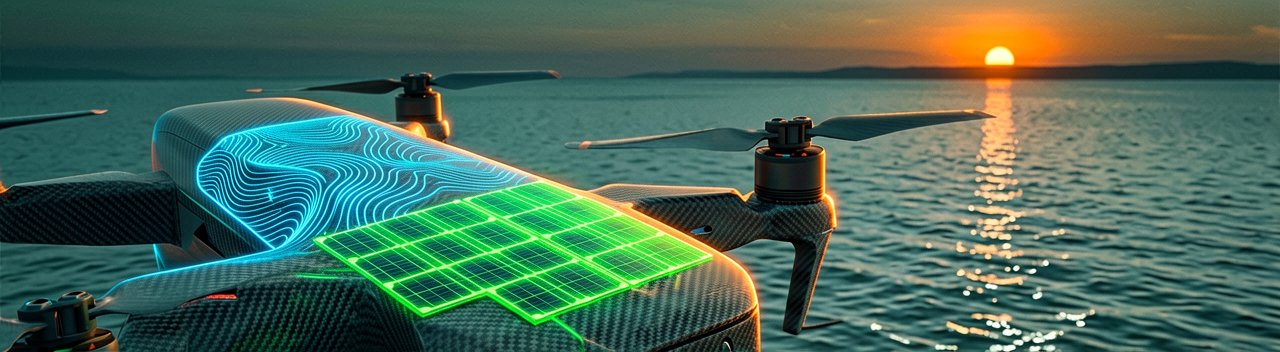
Independent reporting from Military Times confirms the deployment timeline and technical specifications. The article notes that Saildrone designs and operates long-endurance unmanned surface vehicles that use wind propulsion and solar energy to sail for months at a time while collecting real-time data.
This deployment reflects a broader Coast Guard strategy to expand the use of robotics and autonomous technology across the service. The Coast Guard established its Robotics and Autonomous Systems Program Executive Office, known as RAS PEO, during the summer of 2025. The initiative aims to accelerate the adoption of unmanned systems across multiple mission areas.
Officials view the Saildrone deployment as an early operational example of that effort. The program moves autonomous technology beyond limited demonstrations and into routine Coast Guard operations. According to the Coast Guard's Unmanned Systems Strategic Plan, autonomous systems are intended to supplement, not replace, crewed vessels.
The plan states that "UxS cannot perform missions alone, but they can help preserve our personnel readiness until exactly the moment when a Coast Guardsman is needed." This distinction matters for understanding how the technology integrates into existing operations rather than displacing human crews.
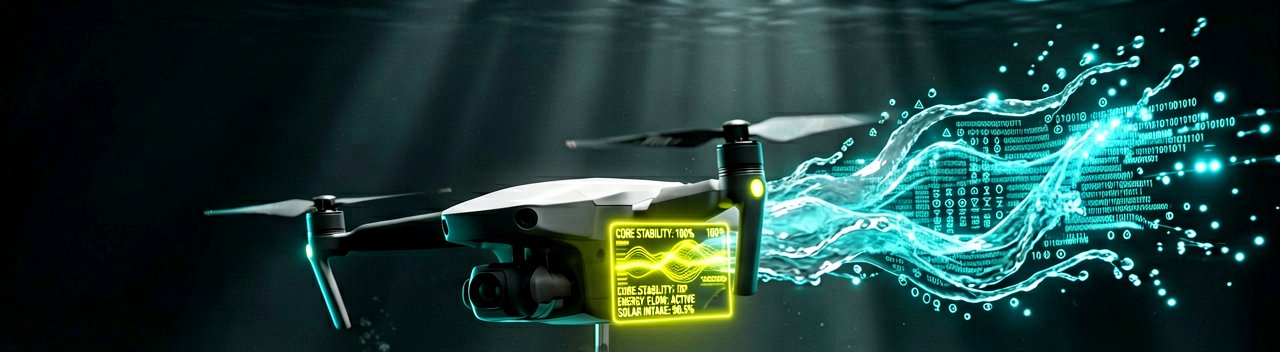
From a practical standpoint, the physical reality of these deployments involves operators watching screens in command centers while the drones cut through lake water powered by wind and solar. The collision-avoidance AI makes split-second decisions about course corrections, but someone is always watching. That's the key difference between this and fully autonomous systems that operate without human oversight.
The sensors on these vessels focus entirely on maritime awareness missions. They monitor vessel movements and help crews identify unusual or dangerous activity across the lakes. The Coast Guard said the systems will also gather weather and environmental data that could support emergency response planning during storms or maritime accidents.
The deployment could also shape how the service uses autonomous systems in other coastal and maritime regions in the coming years. Whether this becomes a template for broader adoption remains to be seen. The technology works on paper, but real-world conditions in the Great Lakes will tell if the investment delivers measurable returns.
Whether users actually pay for it remains the real question. The Coast Guard has committed to the deployment, but the long-term value proposition depends on operational outcomes that won't be clear until the program matures beyond this initial trial period.
Artūras Malašauskas is an AI Systems Integrator with 20+ years of production-grade web engineering experience. He has designed, shipped, and scaled enterprise Python/PHP systems for logistics, SaaS, and public-sector clients. For the past year, he has focused exclusively on AI integrations: deploying open-source LLMs, building generative media pipelines (image, audio, video), and engineering multi-agent workflows for real production environments. His standard: reproducibility, security, cost-efficient inference—no vaporware. He documents and evaluates emerging AI tooling, separating verified capabilities from marketing noise. Technical editor at: muza-ai.eu, ai-verslas.lt, ai-naujinos.lt Connect on LinkedIn
Comments