Dürr Unveils EcoRP4 Painting Robot for Automotive Lines
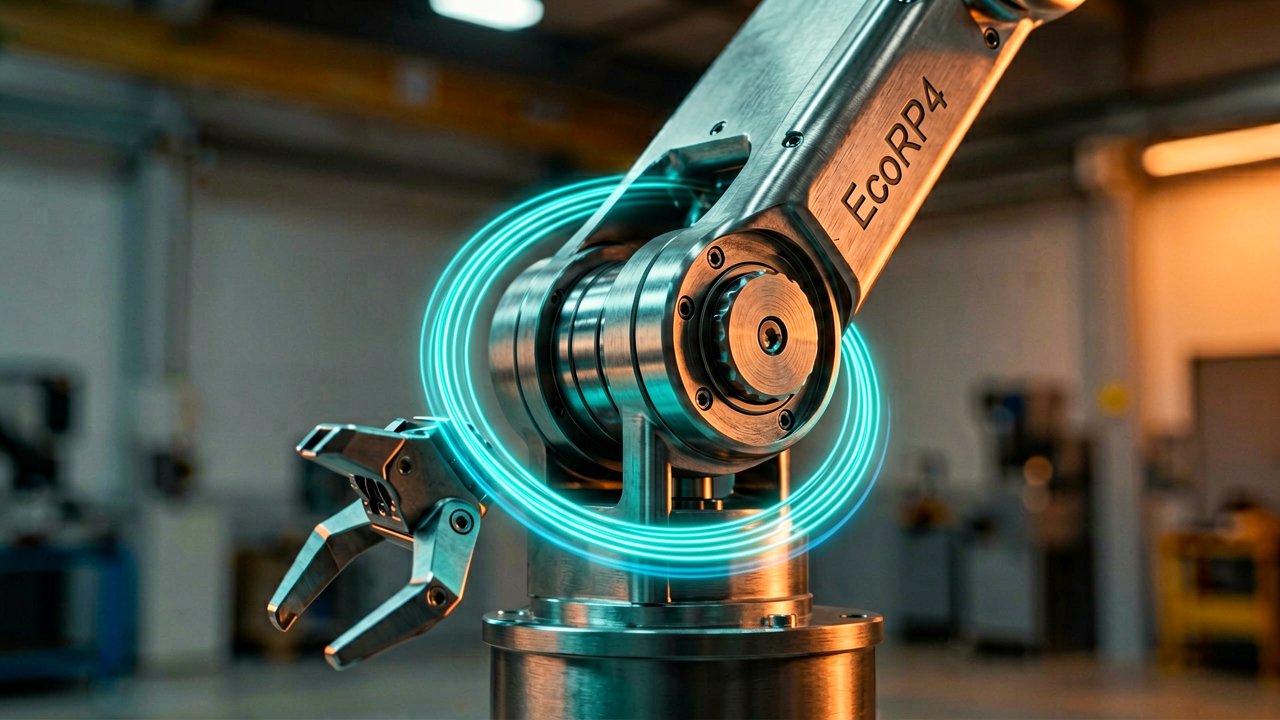
The industrial automation supplier Dürr has officially unveiled the EcoRP4, the fourth generation of its Ecopaint car-body painting robot family. The announcement comes as automotive manufacturers face mounting pressure to reduce lifecycle costs while maintaining paint quality standards. This is not a minor iteration—Dürr has shipped nearly 20,000 painting robots from the Ecopaint family since 1998, making the EcoRP4 a significant milestone in the company's robotic history.
At the core of the EcoRP4 design is an asymmetric arm architecture that offsets the tool center point (TCP) laterally from the main axis by more than 200 millimeters. This physical reconfiguration increases clearance between the robot arm's interference contour and the vehicle body. The result: the applicator can reach door rebates, hinges, and transition zones that previously required awkward positioning or multiple robot setups. For operators on the paint shop floor, this means fewer manual interventions and less time wrestling with access constraints.
According to the official product documentation from Dürr, the robot is specifically engineered for high-volume, standardized painting applications. Andreas Bokermann, product manager at Dürr, stated that the fourth generation is "designed through and through for economy." Fewer components, a simplified mechanical system, and an easy-to-maintain design reduce lifecycle costs compared to previous generations, without compromising process technology.
The drive technology has been notably simplified. Axis 2 and axis 3 now use a pinion gear drive that sits directly on the motor shaft, eliminating the angular gearbox with reduction gear from earlier models. This removes additional gear stages, reducing both component count and wear. For maintenance crews, this translates to less time spent on scheduled service intervals and fewer parts to order when repairs are needed (a welcome change for anyone who's ever waited on a backordered gearbox).
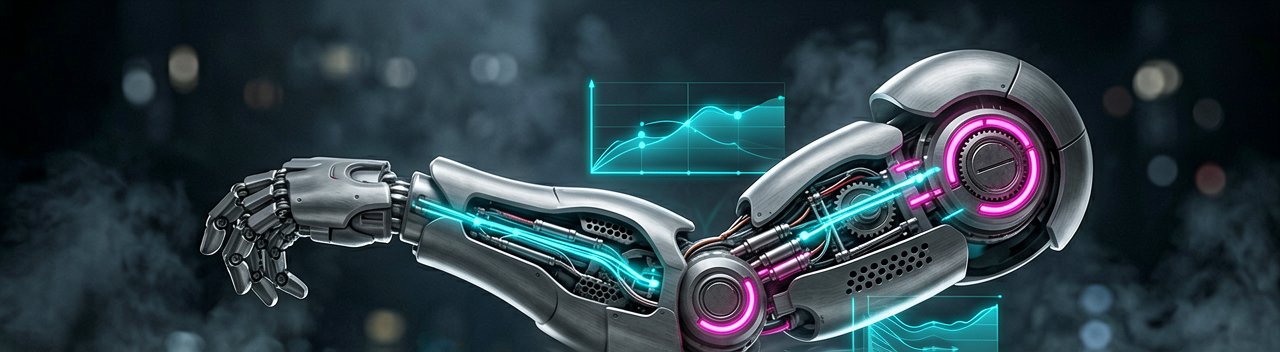
Arm 1 has been made more compact while arm 2 keeps the applicator, color changer, and metering pumps in close proximity to the paint outlet. Shorter tubing lengths enable faster valve switching times during color changes and minimize paint and rinsing agent loss. In practical terms, this means less material waste and reduced cleanup time between color batches—critical factors when running mixed-model production lines.
Most process control technology remains integrated in arm 1, a characteristic feature of Dürr painting robots. The housing concept was revised to allow all process-related components to integrate as close as possible to the atomizer. A continuous cover on arm 1 can be accessed from the side, eliminating the need to remove multiple covers for routine maintenance. This design choice significantly shortens service times, which matters when paint shop downtime costs thousands per hour.
Independent reporting from Automotive World corroborates the technical specifications and timeline. The EcoRP4 supports the HTE (High Transfer Efficiency) process and can be configured for floor mounting, tower installation, or linear rail deployment. Mirrored versions are available for both sides of the body, allowing flexible integration into existing paint shop layouts.
The market launch is planned for 2027. This timeline aligns with Dürr's broader strategy to support customers transitioning toward electrified paint shops. At the company's Open House event, CEO Dr. Jochen Weyrauch emphasized that energy-saving technologies help customers become less dependent on oil, gas, and high energy prices. The EcoRP4 fits into this ecosystem alongside systems like EcoInCure, EcoSmartCure, and the EcoQPower intelligent energy management system.
Whether the EcoRP4 achieves its cost-reduction goals will depend on real-world deployment data. Automotive manufacturers have grown skeptical of efficiency claims that sound good on paper but struggle under production pressure. The asymmetric design is clever engineering, but paint shops operate in messy, humid, chemically aggressive environments where theory often meets reality in unexpected ways.
Dürr's track record with the Ecopaint family suggests the EcoRP4 will find adoption, particularly among OEMs running high-volume standardized lines. The question is whether the simplified maintenance and improved accessibility justify the investment for shops still running third-generation robots. For now, the technology is available for demonstration, with full commercial availability arriving in 2027. Whether users actually pay the premium for these improvements remains the real question.
Artūras Malašauskas is an AI Systems Integrator with 20+ years of production-grade web engineering experience. He has designed, shipped, and scaled enterprise Python/PHP systems for logistics, SaaS, and public-sector clients. For the past year, he has focused exclusively on AI integrations: deploying open-source LLMs, building generative media pipelines (image, audio, video), and engineering multi-agent workflows for real production environments. His standard: reproducibility, security, cost-efficient inference—no vaporware. He documents and evaluates emerging AI tooling, separating verified capabilities from marketing noise. Technical editor at: muza-ai.eu, ai-verslas.lt, ai-naujinos.lt Connect on LinkedIn
Comments