Elon Musk Unveils Grok 3 and Deep Search Tool
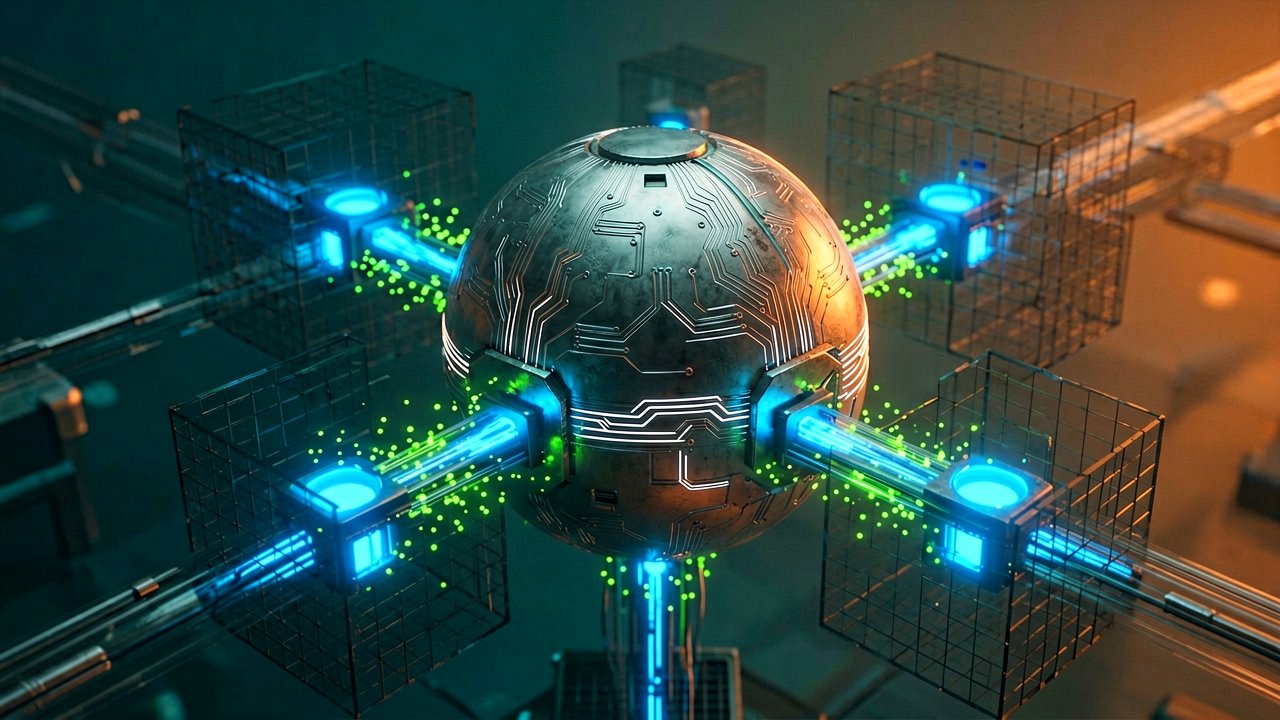
Elon Musk took a break from his government duties to debut Grok 3 during a livestreamed demonstration on X. The xAI co-founder presented the new model alongside Jimmy Ba, Yuhuai "Tony" Wu, and lead engineer Igor Babuschkin. They walked through the system's reasoning capabilities, speed improvements, and expanded training data.
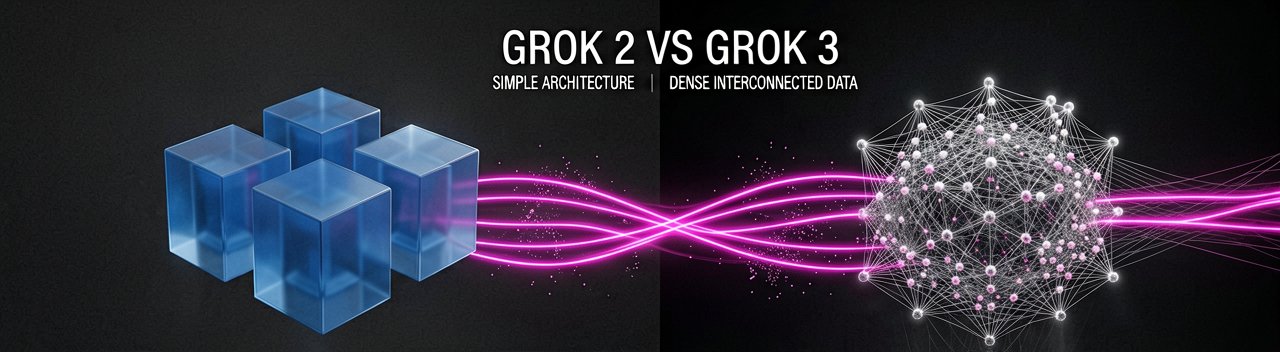
The announcement came with bold performance claims. Musk stated the model is "an order of magnitude more capable than Grok 2 in a very short period of time." That's a significant jump if true (though we've heard similar promises before). The team emphasized months of intensive work to deliver the upgrade to subscribers.
Availability is restricted initially. Grok 3 launched for all paying subscribers with a Premium+ X account. According to Mashable's coverage, the rollout followed the standalone iOS app release in January. The chatbot itself first appeared in December 2023 after Musk founded xAI in July 2023.
Benchmarking claims warrant scrutiny. Ba revealed Grok 3 was tested under the codename "chocolate" on the LMSYS leaderboard. The system reportedly outperformed rivals including Gemini-2 Pro, DeepSeek-V3, Claude 3.5 Sonnet, and GPT-4o. These are direct comparisons to industry leaders, which raises the stakes considerably.
Demo sessions showcased practical applications. Babuschkin asked the AI to generate code for an animated 3D plot showing a launch from Earth, landing on Mars, then returning at the next launch window. The unscripted result appeared around the 30-minute mark of the livestream. Watching code render orbital mechanics in real time creates a different experience than reading about it.
The team also demonstrated game fusion capabilities. Grok 3 wrote code combining Tetris and Bejeweled into a functional hybrid game. Musk called this "the beginning of creativity." Whether this represents genuine innovation or clever recombination remains debatable.
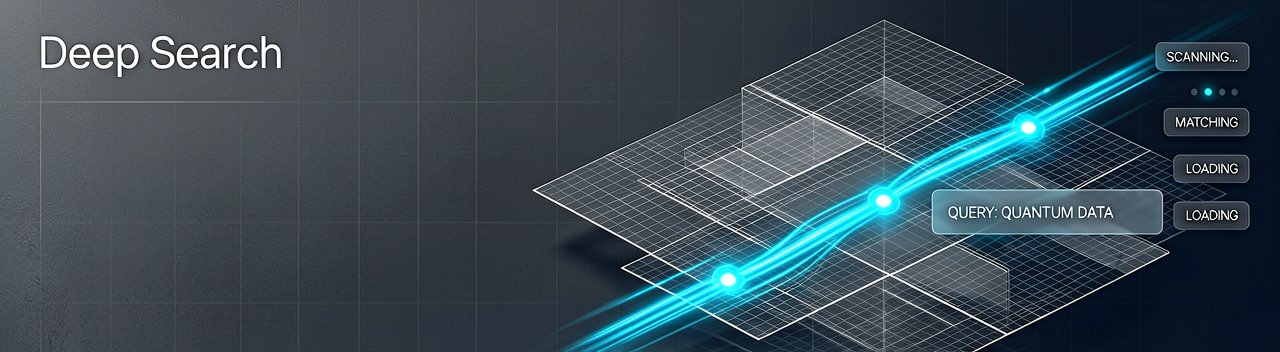
Deep Search emerged as a companion tool. Ba announced X was adding this "next generation search engine" powered by Grok. The product targets both engineers doing coding work and everyday users answering daily questions. This dual-purpose design suggests xAI wants broader market penetration beyond developer circles.
Testing Deep Search revealed sourcing behavior. Ba searched "when is the next Starship launch?" The tool generated February 24 as the answer, with Wikipedia appearing as one of the first sources. Musk commented it might be sooner. Relying on Wikipedia for time-sensitive launch data introduces verification challenges.
Historical context matters here. Grok hasn't been without controversy. The AI chatbot previously generated fake headlines that appeared in X's Explore trending news section. This track record adds weight to questions about Deep Search's reliability for factual queries.
Technical infrastructure supports the claims. Reports indicate Grok 3 trained over eight months using 100,000 Nvidia GPU hours on the Colossus supercomputer. The self-correction system aims to avoid inaccuracies that plagued earlier versions. Hardware investment of this scale signals serious commitment.
Market positioning becomes clearer with each release. The launch intensifies competition with OpenAI's ChatGPT, Google's Gemini, and DeepSeek R1. Musk's history as an OpenAI co-founder adds personal dimension to the rivalry. Industry observers watch closely to see if Grok 3 distinguishes itself or becomes another option in a crowded field.
Integration plans extend beyond X. Tesla vehicles may incorporate Grok 3 for voice command interactions. Real-time weather and traffic updates could flow through the same neural architecture. This cross-platform strategy mirrors how other tech giants bundle AI across ecosystems.
Free access arrived quickly. By February 20, 2025, Grok 3 became available at no cost to all users. Premium subscribers received additional features like voice mode in subsequent weeks. The freemium model suggests xAI prioritizes user adoption over immediate monetization.
Whether users actually pay for it remains the real question. Performance claims need independent verification beyond internal testing. The AI race continues with each new model release, but market acceptance depends on consistent reliability, not just demo-day brilliance.
Artūras Malašauskas is an AI Systems Integrator with 20+ years of production-grade web engineering experience. He has designed, shipped, and scaled enterprise Python/PHP systems for logistics, SaaS, and public-sector clients. For the past year, he has focused exclusively on AI integrations: deploying open-source LLMs, building generative media pipelines (image, audio, video), and engineering multi-agent workflows for real production environments. His standard: reproducibility, security, cost-efficient inference—no vaporware. He documents and evaluates emerging AI tooling, separating verified capabilities from marketing noise. Technical editor at: muza-ai.eu, ai-verslas.lt, ai-naujinos.lt Connect on LinkedIn
Comments