Genesis AI Unveils GENE-26.5 Robotic Brain with Custom Hands
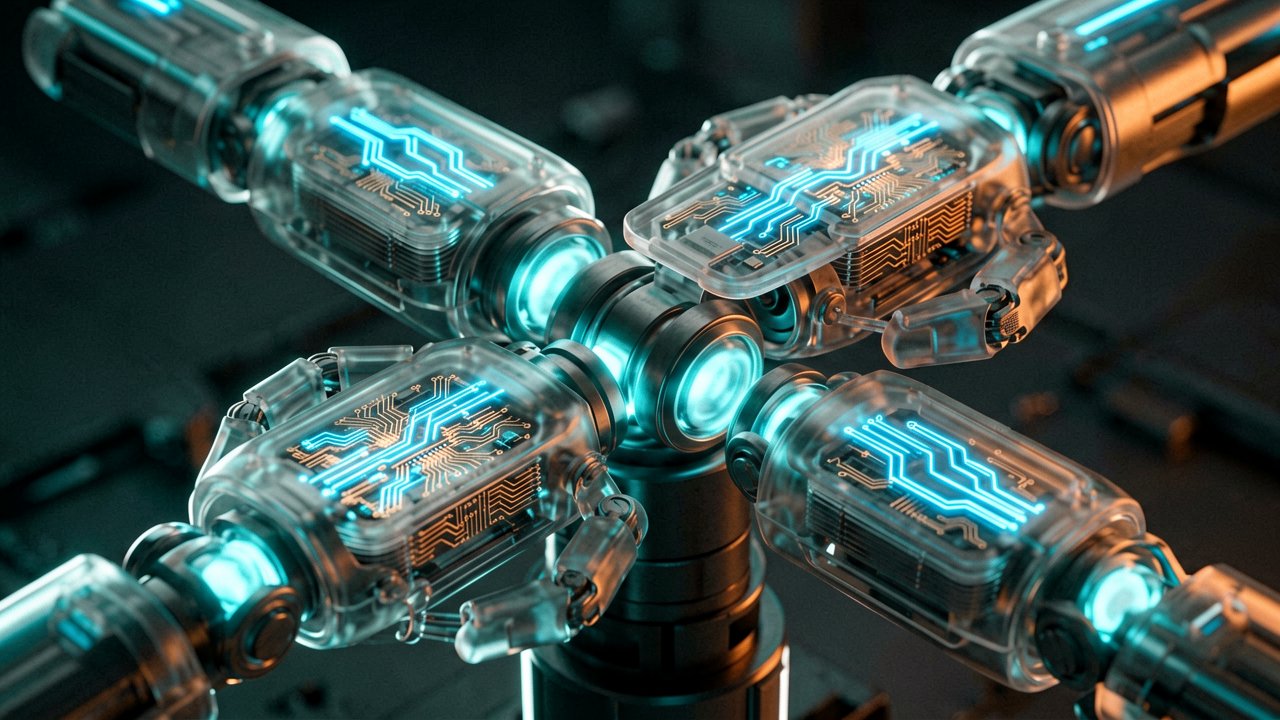
Genesis AI has announced GENE-26.5, a robotic foundation model paired with proprietary hardware designed to close the embodiment gap between human and machine manipulation. The company's full-stack approach combines an AI brain with a custom dexterous hand that mirrors human anatomy, enabling robots to perform multi-step physical tasks with unprecedented coordination.
The announcement comes after Genesis AI secured a $105 million seed round, signaling a strategic pivot from pure AI model development to integrated hardware-software systems. According to RoboticsTomorrow, the system represents the first robotic brain capable of human-level physical manipulation at scale.
Co-founder and CEO Zhou Xian described the dual innovation as addressing robotics' two most complex components: the brain and the hand. The company released demonstration videos showing GENE-26.5 executing tasks that have historically stumped robotic systems. These include cooking a 20-step omelet with one-handed egg cracking, solving a Rubik's Cube through continuous in-air manipulation, and playing piano at human level.
The physical reality of these demonstrations matters. Most robots still struggle with the micro-adjustments humans make unconsciously. When holding a Rubik's Cube, for example, human hands constantly adjust grip strength without conscious thought. Genesis AI's robotic hand replicates this through over 20 joints across fingers, knuckles, and wrists. The system doesn't just move—it feels and adapts.
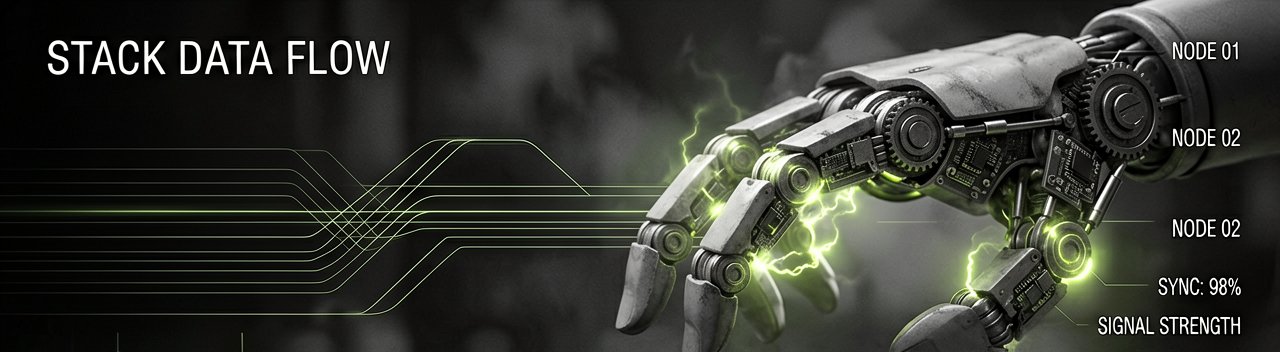
Data collection remains the bottleneck for robotics foundation models. Chatbots have the entire internet to train on; robots have had nothing comparable. Genesis AI's solution involves a sensor-loaded glove with tactile-sensing electronic skin that workers wear during normal tasks. The glove captures exact finger and wrist movements, creating a 1:1:1 mapping between the human hand, the glove, and the robotic hand.
This approach costs 100 times less than typical data collection hardware while delivering five times greater efficiency in internal testing. Workers simply wear the glove while performing their jobs, generating training data without disrupting workflows. The company is already engaging industrial partners to deploy the system in real facilities.
Former Google CEO Eric Schmidt, who invested in Genesis AI, called the announcement a paradigm shift in robotics. His endorsement carries weight given his history with AI infrastructure development. The company's team has grown to 60 employees, with plans to expand operations in Europe and unveil a general-purpose full-body robot.
Co-founder and President Theophile Gervet explained the full-stack philosophy during interviews. By controlling every layer from AI to hardware, Genesis AI can build a cohesive system rather than patching together incompatible components. This holistic approach gives them a competitive advantage through unprecedented data volumes, which ultimately define what foundation models can achieve.
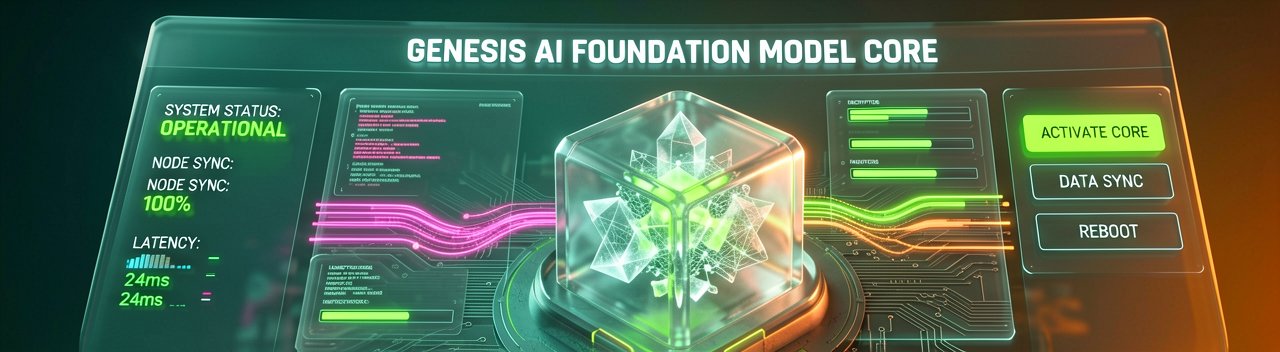
The glove system also taps into egocentric video data from humans wearing cameras and massive amounts of internet videos. Having closed the embodiment gap, Genesis AI can leverage these data sources more effectively than competitors whose robotic hands don't match human form.
Industrial applications come first. Genesis AI expects initial deployments in warehouses and manufacturing logistics, where the technology can handle repetitive but complex physical tasks. After establishing industrial use cases, the company plans to expand into service industries and eventually consumer home applications.
The phased rollout makes sense from a risk management perspective. Industrial environments offer controlled conditions for testing and refinement. Home environments introduce unpredictable variables—pets, children, uneven surfaces—that require significantly more robust error handling.
Employee acceptance and ethics questions remain unresolved. Workers wearing data-collection gloves during daily tasks raises questions about surveillance, consent, and labor structure impacts. These discussions could shape future regulatory frameworks around AI data collection in workplace settings.
Whether the technology delivers on its promises depends on real-world performance beyond demonstration videos. The difference between controlled lab conditions and chaotic warehouse floors is substantial. Time will tell if GENE-26.5 can maintain its capabilities outside the pristine environments where it was tested.
The $105 million seed round suggests investors believe in the vision, but capital doesn't guarantee execution. Building reliable, scalable robotics requires solving problems that don't appear in demo videos. Whether users actually pay for it remains the real question.
Artūras Malašauskas is an AI Systems Integrator with 20+ years of production-grade web engineering experience. He has designed, shipped, and scaled enterprise Python/PHP systems for logistics, SaaS, and public-sector clients. For the past year, he has focused exclusively on AI integrations: deploying open-source LLMs, building generative media pipelines (image, audio, video), and engineering multi-agent workflows for real production environments. His standard: reproducibility, security, cost-efficient inference—no vaporware. He documents and evaluates emerging AI tooling, separating verified capabilities from marketing noise. Technical editor at: muza-ai.eu, ai-verslas.lt, ai-naujinos.lt Connect on LinkedIn
Comments