ASELSAN Unveils KILIÇ and TUFAN Unmanned Naval Systems at SAHA 2026
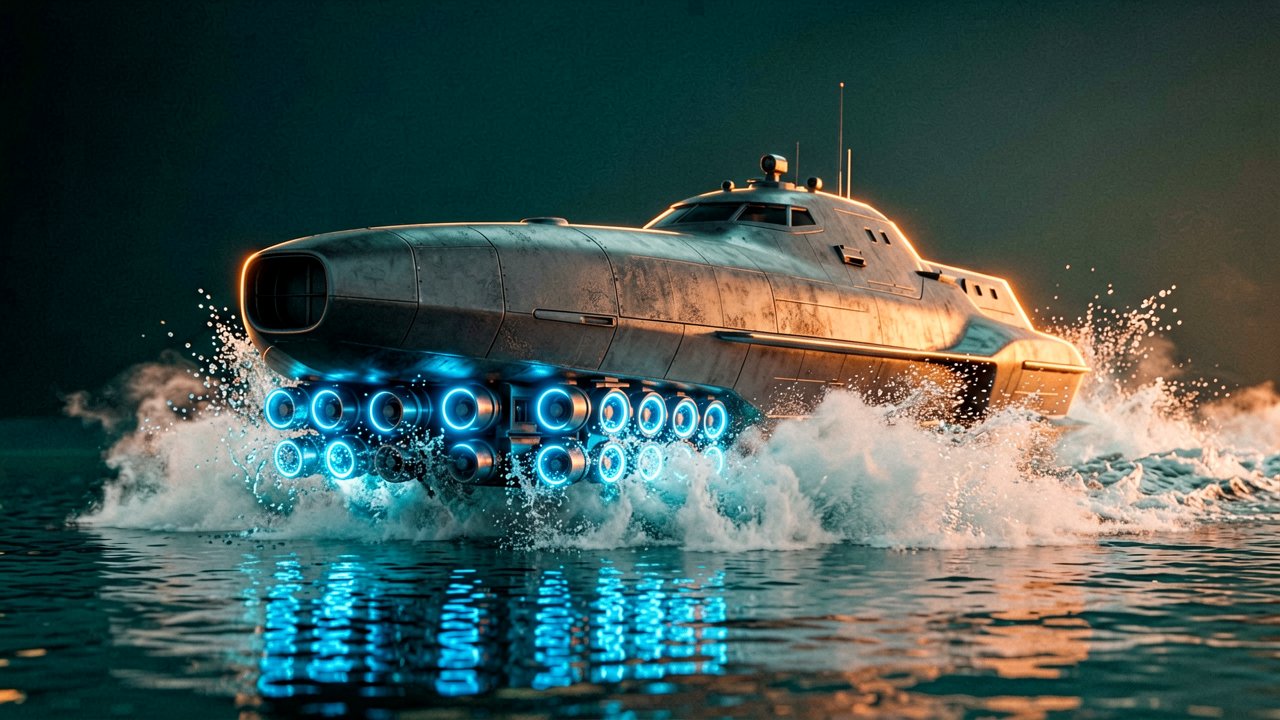
At the SAHA 2026 exhibition in Istanbul, ASELSAN formally unveiled its next-generation unmanned naval systems, marking a significant expansion of Turkey's autonomous maritime portfolio. The defense contractor presented two distinct product families: the KILIÇ autonomous underwater strike systems and the TUFAN unmanned surface vehicle. Both platforms emphasize swarm capability, operational flexibility, and asymmetric warfare applications.
The official announcement from ASELSAN's corporate website confirms the launch occurred during the company's dedicated event at the defense exhibition. This positions the systems as part of a broader strategic push into multi-domain naval operations, building on the firm's established reputation in unmanned aerial systems.
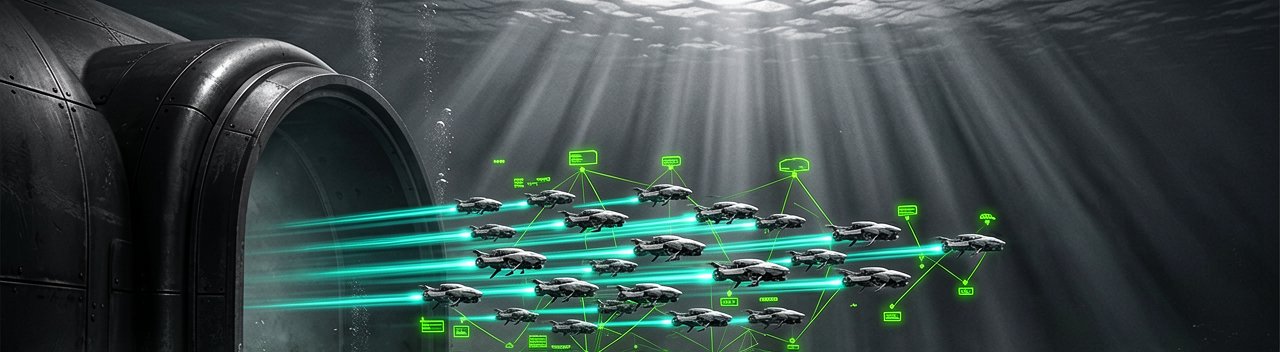
Below the surface, the KILIÇ family addresses subsurface strike requirements with two documented variants. The KILIÇ 100WH is designed for portability and covert deployment, operable by a single user. It integrates thermal and infrared cameras, underwater low-light imaging, and acoustic communication systems. The platform supports both RF and wire-guided control modes, with autonomous and swarm operation capabilities. Its low acoustic and visual signature profile is intended to enhance survivability in contested environments.
The KILIÇ 200WH variant extends operational reach and payload capacity. This larger system can be deployed via unmanned surface vehicles and targets a broader set of objectives, including subsea infrastructure and offshore energy assets. Both variants maintain the core design philosophy of autonomy and modularity, incorporating advanced navigation and acoustic communication. (The wire-guided option is a nice touch for operators who prefer not to trust autonomous navigation entirely.)
On the surface, TUFAN represents ASELSAN's entry into unmanned surface vehicle operations. The 8.1-meter platform uses a gasoline engine with waterjet propulsion, delivering high speed and maneuverability across littoral and open-sea conditions. Its distributed swarm intelligence allows individual operation or coordinated formation tactics. The vehicle can execute simultaneous reconnaissance, surveillance, and strike missions through vision-based target detection and autonomous obstacle avoidance.
TUFAN carries a high-explosive insensitive warhead for engaging surface targets, coastal infrastructure, and high-value assets. The modular architecture and multi-layer communication infrastructure enable integration into broader naval command networks. This supports both standalone missions and coordinated multi-platform operations, reflecting the distributed warfare doctrine gaining traction among modern navies.
Ahmet Akyol, ASELSAN President & CEO, framed the launch within the context of evolving maritime security requirements. He stated that securing beyond traditional naval domain boundaries requires new levels of autonomy, integration, and operational flexibility. The company is leveraging Turkey's geographical advantages to enhance capabilities at sea, addressing the evolving requirements of modern maritime operations.
Founded in 1975, ASELSAN operates as Turkey's leading defense company with more than 14,000 professionals. The firm exports products and systems to over 90 countries and maintains a direct presence in 25 countries. Core competencies span radar, electronic warfare, guidance, electro-optics, and information and communication technologies. Beyond defense, the company provides solutions in transportation, security, automation, and healthcare.
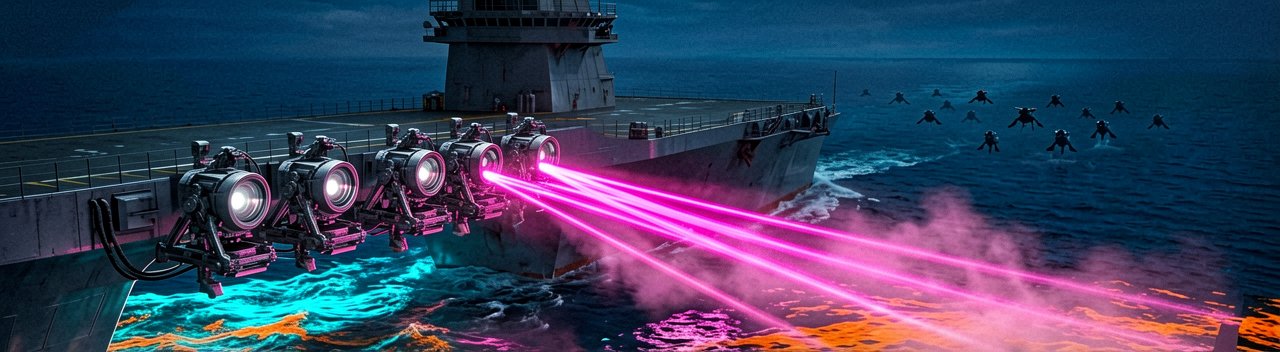
Independent reporting from Naval News corroborates the technical specifications and mission profiles outlined in the official announcement. The coverage emphasizes the strategic timing of the launch, noting that maritime operations are shifting toward distributed, network-centric, and increasingly asymmetric engagements. Unmanned systems are emerging as a defining element of naval power in this new operational paradigm.
The physical reality of these systems matters. An operator deploying KILIÇ 100WH would handle a portable unit, likely no larger than a small suitcase, before launching it into water. The interface would involve thermal camera feeds, acoustic telemetry, and control mode selection. TUFAN's waterjet propulsion means no exposed propellers to snag on debris or entangle with fishing nets. The gasoline engine creates a detectable signature, though the platform's speed and swarm tactics are intended to mitigate this vulnerability.
Swarm capability represents the more significant technical development here. Individual platforms operating in coordinated formations can execute simultaneous tasks while maintaining distributed decision-making. This architecture supports mission-oriented subgroups capable of reconnaissance, surveillance, and precision engagement without centralized command for every action. The systems can autonomously navigate, avoid obstacles, and detect targets through vision-based systems.
ASELSAN's expansion into unmanned naval systems follows its established expertise in UAV technologies. The company aims to strengthen Turkey's position in unmanned naval systems alongside its aerial capabilities. This mirrors a broader industry trend where defense contractors are extending proven autonomous technologies across multiple domains. The question becomes whether naval procurement cycles will move fast enough to capitalize on these developments.
Whether navies actually integrate these systems at scale remains the real question. Export markets may respond differently than domestic procurement. The systems' asymmetric warfare focus suggests particular appeal for littoral defense scenarios rather than blue-water naval operations. Cost-effectiveness and operational doctrine will ultimately determine adoption rates across the 90+ countries where ASELSAN already maintains export relationships.
Artūras Malašauskas is an AI Systems Integrator with 20+ years of production-grade web engineering experience. He has designed, shipped, and scaled enterprise Python/PHP systems for logistics, SaaS, and public-sector clients. For the past year, he has focused exclusively on AI integrations: deploying open-source LLMs, building generative media pipelines (image, audio, video), and engineering multi-agent workflows for real production environments. His standard: reproducibility, security, cost-efficient inference—no vaporware. He documents and evaluates emerging AI tooling, separating verified capabilities from marketing noise. Technical editor at: muza-ai.eu, ai-verslas.lt, ai-naujinos.lt Connect on LinkedIn
Comments