ABB Robotics Launches PickMaster Lite for Faster Robotic Picking
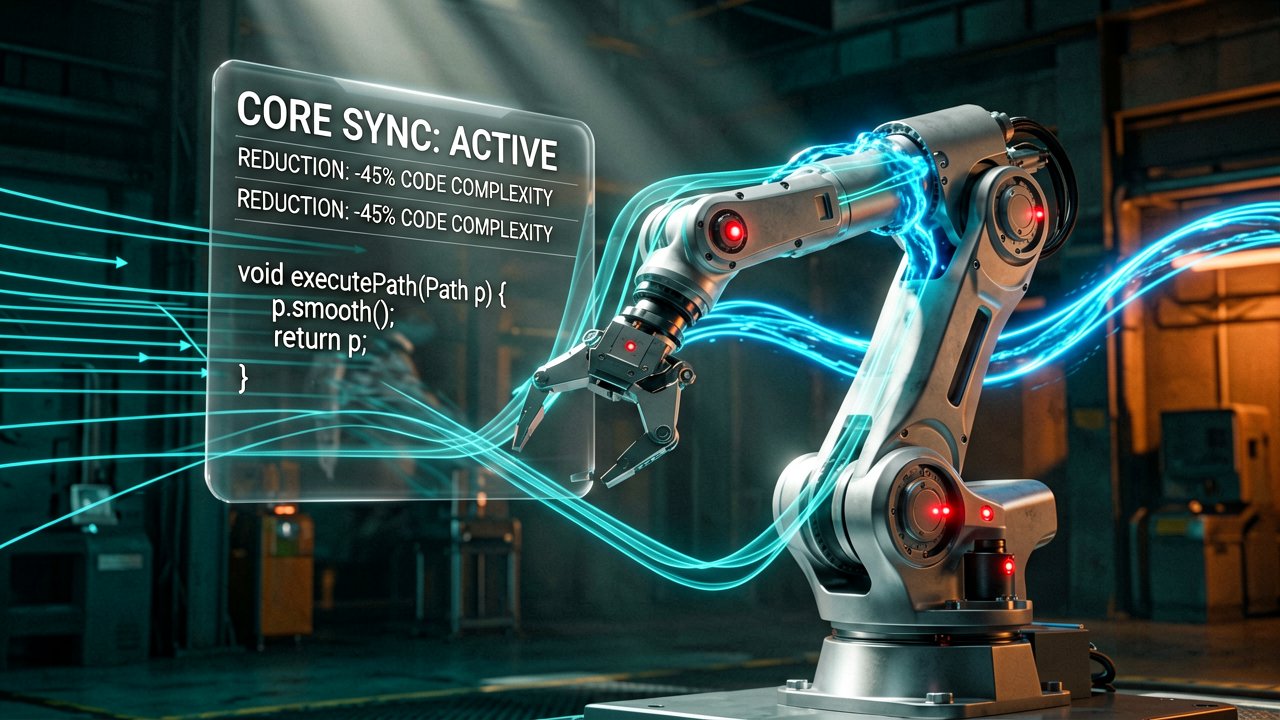
ABB Robotics has introduced PickMaster Lite, a simplified version of its PickMaster software suite designed to accelerate deployment of vision-guided robotic picking systems. The announcement, made through the official ABB press release, targets packaging original equipment manufacturers and system integrators who need faster time-to-market for standard picking applications.
The software cuts engineering effort by 30 percent and commissioning time by 25 percent compared to conventional pick-and-place software or PLC-based solutions. That reduction matters when you're standing in a factory watching a production line sit idle while programmers wrestle with configuration files.
PickMaster Lite delivers core capabilities including accurate vision-guided picking, conveyor tracking, and motion control through an intuitive, task-based interface. Pre-configured templates and guided workflows remove the need for specialist programming expertise. Users interact with the system through a no-code workflow that pairs with ABB's established motion and tracking technologies.
Craig McDonnell, Business Line Managing Director Industries at ABB Robotics, framed the launch around market pressures. "Manufacturers are increasingly looking for automation that can be deployed quickly and reliably to keep pace with changing demand," McDonnell stated. He cited data showing more than 74 percent of manufacturers face ongoing labor shortages, while nearly 80 percent of consumers expect more personalized products.
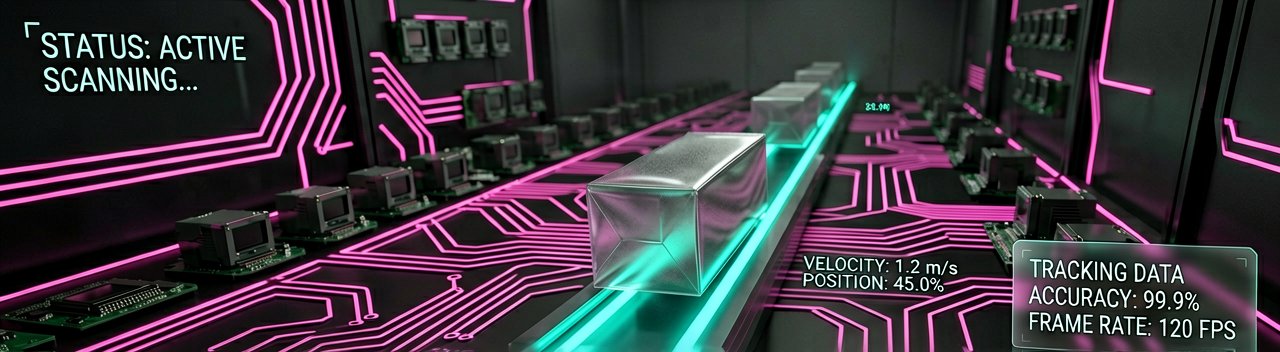
The software integrates with RobotStudio, ABB's digital twin platform. This enables users to simulate layouts and optimize robot paths before physical installation. The ability to test configurations virtually reduces the friction of on-site debugging—no more recalibrating cameras in cramped machine enclosures while production waits.
Integration with existing machine control architectures happens through the OmniCore controller. PickMaster Lite communicates seamlessly with PLC and HMI systems, allowing machine builders to manage recipe selection, start, stop, and pause functions directly through their preferred control systems. OEMs can maintain existing machine designs while reducing development risk.
The product targets cost-sensitive, high-volume standard picking and packing cell applications. Industries include consumer goods, food and beverage, pharmaceuticals, electronics, and e-commerce. These sectors demand simplicity, speed, and reliability—characteristics that align with the streamlined feature set.
According to the ABB product documentation, PickMaster Lite achieves up to 15 percent higher throughput alongside the engineering and commissioning time reductions. The lighter feature set and simplified configuration deliver stable, predictable performance for value-oriented, high-volume machine platforms.

PickMaster Lite sits within the broader PickMaster family as an entry point. Users can scale to more advanced solutions using PickMaster and PickMaster Twin as production needs evolve. PickMaster delivers enhanced functionality and greater customization for complex picking tasks. PickMaster Twin extends capabilities through digital twin technology for simulation, testing, and real-time optimization of live picking lines.
The A3 Association for Advancing Automation reported the launch on May 5, 2026, positioning it alongside other robotics announcements for Automate 2026. This timing suggests ABB is preparing for increased demand at the industry's largest robotics trade show.
Whether the 30 percent engineering reduction translates to actual cost savings depends on implementation complexity. Some integrators may find the simplified interface constraining for edge cases. Others will appreciate not needing to write custom code for standard pick-and-place operations.
The real test comes when production ramps up. A streamlined setup means less time spent on configuration, but it also means less flexibility when unexpected variables appear on the line. Manufacturers will need to weigh the speed gains against the potential need to upgrade to the full PickMaster suite later.
ABB's approach reflects a broader industry trend: making robotics accessible without sacrificing performance. The question isn't whether the technology works—it's whether the simplified workflow survives the chaos of real factory floors.
Artūras Malašauskas is an AI Systems Integrator with 20+ years of production-grade web engineering experience. He has designed, shipped, and scaled enterprise Python/PHP systems for logistics, SaaS, and public-sector clients. For the past year, he has focused exclusively on AI integrations: deploying open-source LLMs, building generative media pipelines (image, audio, video), and engineering multi-agent workflows for real production environments. His standard: reproducibility, security, cost-efficient inference—no vaporware. He documents and evaluates emerging AI tooling, separating verified capabilities from marketing noise. Technical editor at: muza-ai.eu, ai-verslas.lt, ai-naujinos.lt Connect on LinkedIn
Comments