Xiaomi Robot Vacuum H50 Pro Launches with Extending Mop Arms
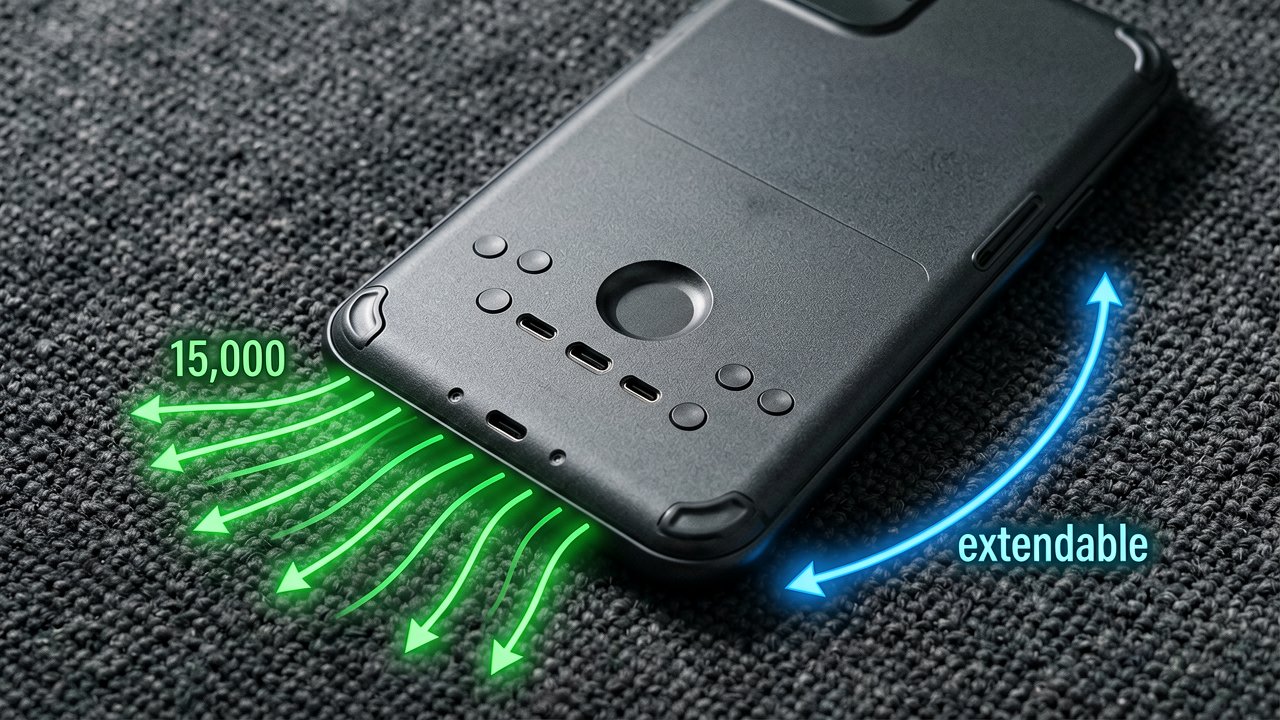
The robot vacuum market just got another contender with Xiaomi's latest release. The Robot Vacuum H50 Pro has officially launched in Australia, with listings appearing at European retailers as well. This model brings a combination of high suction power and mechanical mop extensions that aim to address two persistent pain points in automated floor cleaning: corner debris and edge coverage.
Specifications from the official Xiaomi support documentation confirm the H50 Pro delivers up to 15,000 Pa of suction power. That's competitive with premium models from competitors like Roborock and iRobot. The vacuum uses a main anti-tangle roller brush paired with two robotic brush arms positioned on either side of the body. These side brushes swing outward to collect dirt from edges and corners—areas where most robot vacuums historically leave debris behind.
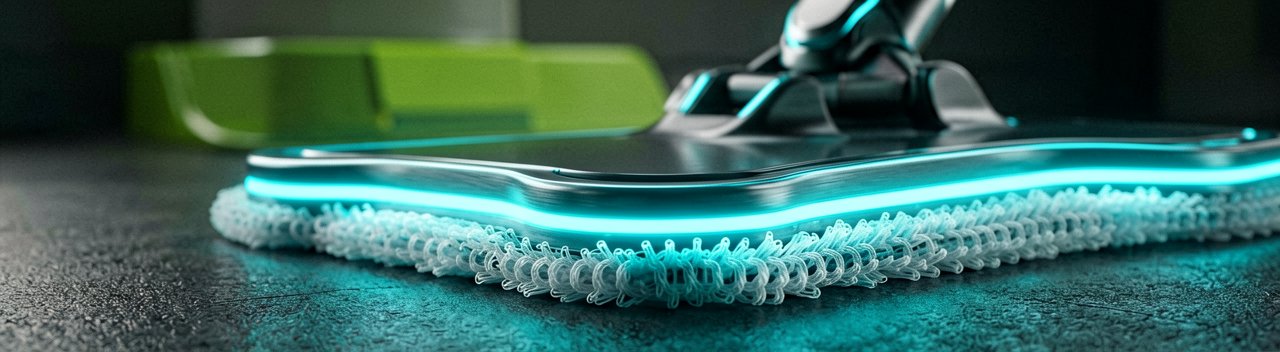
The mopping system is where the H50 Pro differentiates itself mechanically. Two rotating mop heads sit at the rear of the unit. When carpet is detected via ultrasonic sensors, the mops automatically lift to keep rugs dry. But here's the physical detail that matters: the mops can extend outward from the body for greater floor coverage. This isn't just a software feature. You're looking at actual mechanical arms pushing the mop pads beyond the robot's chassis width. (Anyone who's manually mopped around baseboards knows this is the difference between a clean floor and a clean-ish floor.)
Navigation relies on LDS laser technology with a 129° wide-angle laser sensor. The FAQ documentation lists single-line laser combined with collision sensors for obstacle avoidance. Enhanced edge detection is built in to improve corner and edge cleaning performance. Carpet recognition enables automatic adjustment of cleaning modes without user intervention. The system maps your home and plans cleaning paths accordingly, though the actual mapping accuracy depends on environmental factors like lighting and floor reflectivity.
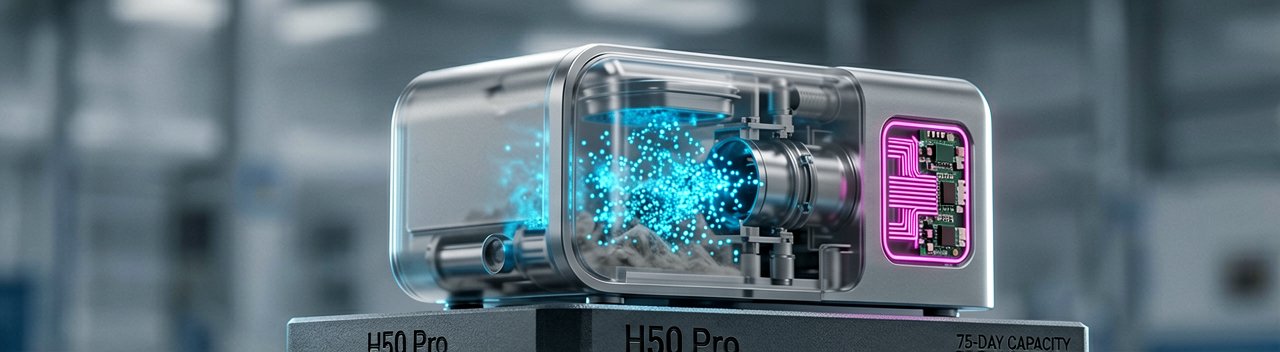
The accompanying multifunctional docking station handles the tedious maintenance work. Mops are washed and then dried with hot air at the station, ready for the next task. The robot dust bag is automatically emptied for up to 75 days of hands-free cleaning. This is the kind of feature that sounds impressive on paper until you actually have to empty a dust bin every three weeks. The station includes clean and dirty water tanks, a dust cabinet, and charging contacts. It's a substantial piece of hardware that needs floor space and proximity to a power outlet.
Control happens via the Xiaomi Home app, or through voice commands with Amazon Alexa or Google Assistant. The app offers selectable modes: Silent, Standard, Strong, and Turbo. Stronger suction ensures a more thorough clean, but it also means louder operation and faster battery drain. The 5200 mAh battery supports up to 120 minutes of operation in standard vacuuming and mopping mode. That's adequate for most apartments, but larger homes may require mid-clean recharging and resume.
Pricing and availability present some regional complexity. At the brand's online store in Australia, the H50 Pro is currently available for A$1,599 (approximately $1,147 USD). The robot vacuum is listed at Xiaomi's Amazon UK storefront, but it is not available to purchase there. However, it can be ordered at Links in Hungary, where it is listed with a €519 RRP. When this model will be officially released in Europe remains unclear, according to Notebookcheck's reporting.
The dust compartment capacity is 280 ml, which is on the smaller side compared to some competitors. This means more frequent emptying if you're not using the auto-empty station consistently. The robot includes a filter pre-installed in the dust compartment, side brush, cord set, image guide, warranty notice, user manual, quick start guide, and the omni station. Accessories like the mop pad holder come in pairs, allowing you to swap between clean and dirty pads without waiting for the station to wash them.
Sensor maintenance is a practical consideration. The carpet sensor, floor detection sensor, obstacle avoidance sensor, water tank detection sensor, dust compartment detection sensor, drive wheel position sensor, and infrared radar sensor all require regular cleaning. Dust, dirt, or water stains can block signals and cause the robot to clean aimlessly, circle repeatedly, or misjudge terrain. Wiping sensor windows and the top radar module with a dry cloth helps maintain accurate detection. If issues persist after cleaning, contacting after-sales service becomes necessary.
The H50 Pro positions itself as a mid-to-high-tier option in Xiaomi's robot vacuum lineup. The extending mop arms and side brushes address genuine cleaning limitations, but the real-world performance depends on how well the sensors handle your specific home environment. Dark floors, cluttered spaces, and thick carpets can all challenge the navigation system. Whether the €519 price point delivers enough value compared to established competitors remains the real question for European buyers waiting on official availability.
Artūras Malašauskas is an AI Systems Integrator with 20+ years of production-grade web engineering experience. He has designed, shipped, and scaled enterprise Python/PHP systems for logistics, SaaS, and public-sector clients. For the past year, he has focused exclusively on AI integrations: deploying open-source LLMs, building generative media pipelines (image, audio, video), and engineering multi-agent workflows for real production environments. His standard: reproducibility, security, cost-efficient inference—no vaporware. He documents and evaluates emerging AI tooling, separating verified capabilities from marketing noise. Technical editor at: muza-ai.eu, ai-verslas.lt, ai-naujinos.lt Connect on LinkedIn
Comments