Apollomedics Hospitals Hits 500 Robotic Knee Surgeries, Adds MISSO Robot
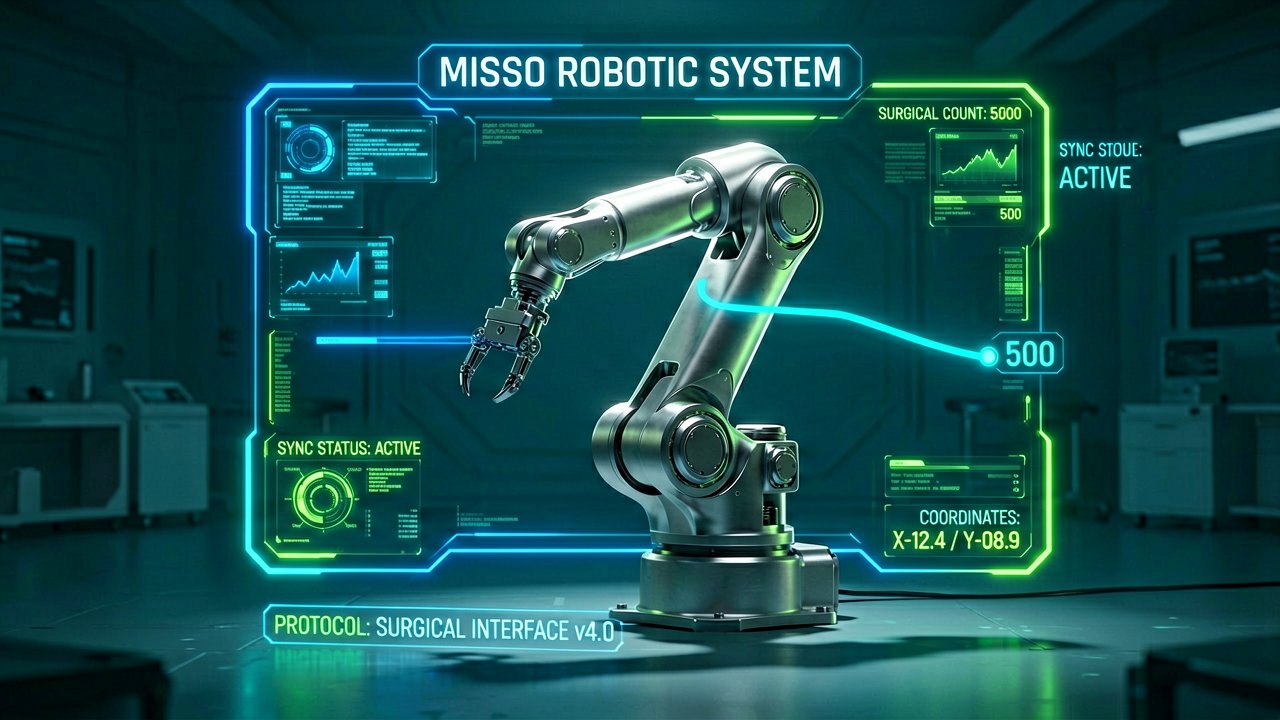
Apollomedics Hospitals in Lucknow announced it has completed 500 robotic knee replacement surgeries, marking what the facility calls a regional first in Eastern Uttar Pradesh. The milestone was celebrated on May 4, 2026, with an event named "Ruk Jana Nahin" attended by over 400 previously treated patients. During the same ceremony, the hospital unveiled a second MISSO surgical robot, bringing its total robotic surgical capacity to three systems.
The press release, distributed through Business Standard, positions Apollomedics as the first private hospital in Lucknow to operate two dedicated robots for knee replacement surgery. The MISSO system reportedly uses artificial intelligence to provide real-time surgical assistance during procedures.
Dr. Sanjai Srivastava, Chairman of Orthopaedics at Apollomedics, led all 500 surgeries. According to the hospital's announcement, the robotic system offers sub-millimetre precision for implant placement. Surgeons plan procedures beforehand using 3D imaging and CT-based bone mapping. The claimed patient benefits include reduced blood loss, less post-operative pain, shorter hospital stays, and better implant positioning that may extend device longevity.
Here's where the numbers get interesting. When Apollomedics began robotic knee replacements four years ago, only one in five patients requested the procedure. Today, according to Dr. Srivastava, every second person walking into the outpatient department specifically asks for robotic surgery. That's a dramatic shift in patient preference (which suggests either better marketing or genuinely better outcomes, or both).
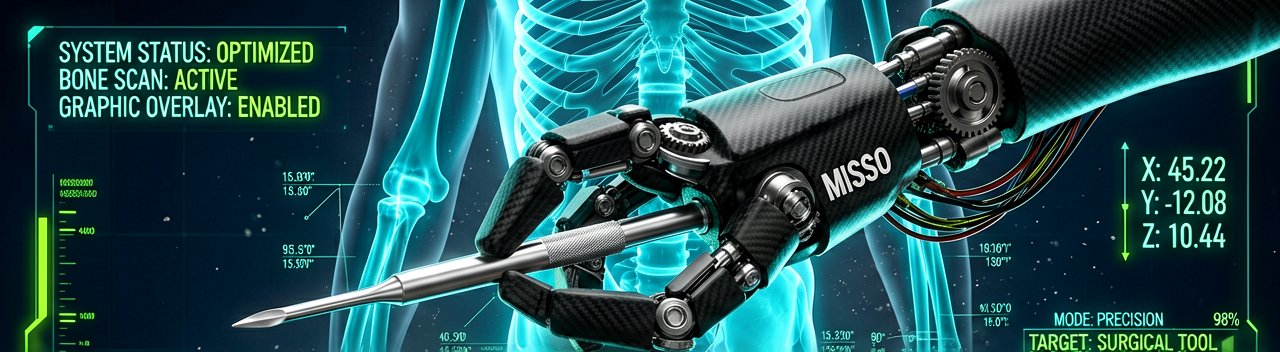
The physical reality of robotic surgery differs from conventional approaches. Patients interact with the system through pre-operative CT scans that create a digital model of their knee anatomy. During surgery, the robot guides implant placement with precision that manual techniques struggle to match consistently. Recovery timelines reportedly improve because the procedure causes less tissue trauma.
Dr. Mayank Somani, MD and CEO of Apollomedics, stated the hospital's mission focuses on bringing advanced technology to Uttar Pradesh residents. The addition of the second MISSO robot brings the facility's total to three surgical robots, making it one of the leading centres for robotic orthopedic surgery in the state. The hospital now operates two dedicated systems for knee replacement specifically.
The "Ruk Jana Nahin" event showcased patient outcomes through live demonstrations. One patient performed Kathak dance on stage after chronic knee pain had previously ended her classical dance practice. Other attendees shared experiences about climbing stairs, walking in parks, and returning to daily activities without pain. A group of post-surgery patients walked a ramp to demonstrate their renewed mobility.
Several important caveats apply here. The Business Standard article carries an explicit disclaimer: no journalist from the outlet was involved in creating this content. It's a press release distributed through ANI (Asian News International). The Tribune and PTI News carried identical content, confirming this is syndicated hospital messaging rather than independent reporting.
Robotic knee replacement technology has been maturing for over a decade. Systems like MAKO, ROSA, and NAVIO have established market presence globally. The MISSO robot appears to be a newer entrant, though the search results don't specify the manufacturer or technical specifications beyond AI-assisted real-time guidance.
The regional context matters. Eastern Uttar Pradesh has historically had limited access to advanced orthopedic technology. Apollomedics' claim of being the first hospital in Lucknow to perform 500+ robotic joint replacements suggests a gap in regional infrastructure. Whether this translates to better outcomes or just more expensive procedures remains an open question.
Patient demand shifting from 20% to 50% for robotic procedures over four years reflects broader industry trends. As robotic systems become more common, patient expectations evolve. The question isn't whether the technology works—it demonstrably does for implant precision. The question is whether the marginal benefit justifies the additional cost for every patient.
Three surgical robots in one facility represents significant capital investment. Operating costs, maintenance contracts, and surgeon training all factor into the economics. Hospitals typically recoup these investments through higher procedure volumes and premium pricing. The 500-surgery milestone suggests Apollomedics has achieved sufficient volume to justify the infrastructure.
Whether patients in Tier 3 and Tier 4 towns can actually afford this technology remains the real question. The hospital claims rural patients are specifically requesting robotic procedures, but that doesn't mean they're paying out of pocket. Insurance coverage, government schemes, and hospital financing options determine actual accessibility.
Apollomedics has positioned itself as a destination for robotic knee replacement in Uttar Pradesh. The milestone achievement and new MISSO robot deployment strengthen that positioning. Whether this translates to measurable improvements in patient outcomes beyond implant precision will require independent clinical data, not press releases.
Artūras Malašauskas is an AI Systems Integrator with 20+ years of production-grade web engineering experience. He has designed, shipped, and scaled enterprise Python/PHP systems for logistics, SaaS, and public-sector clients. For the past year, he has focused exclusively on AI integrations: deploying open-source LLMs, building generative media pipelines (image, audio, video), and engineering multi-agent workflows for real production environments. His standard: reproducibility, security, cost-efficient inference—no vaporware. He documents and evaluates emerging AI tooling, separating verified capabilities from marketing noise. Technical editor at: muza-ai.eu, ai-verslas.lt, ai-naujinos.lt Connect on LinkedIn
Comments