Dreame Unveils Rocket-Powered Concept Car at San Francisco Event
Chinese technology company Dreame pulled back the curtain on an ambitious new chapter during its four-day "DREAME NEXT" global tech conference in San Francisco. The event, which concluded May 4, 2026, marked the company's largest launch since its founding and previewed a 10-year vision spanning smart mobility, home appliances, personal devices, and premium personal care.
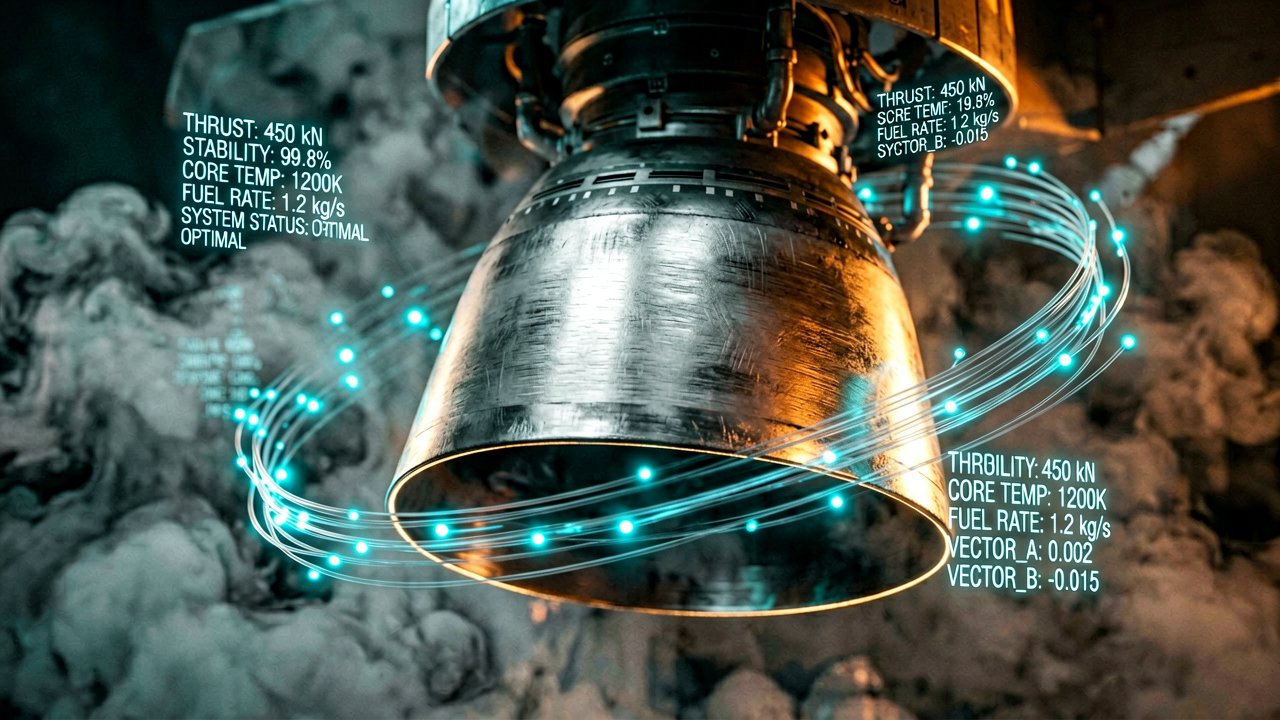
The headline grabber was undoubtedly the "Nebula NEXT 01 JET Edition" concept car. This isn't your typical electric vehicle reveal. The concept features rocket propulsion technology alongside a 2,160-line LiDAR system. CHOSUNBIZ reporting confirms the vehicle was unveiled as part of Dreame's smart mobility showcase.
Let's be clear about what this means. Rocket boosters on a production vehicle? That's... optimistic. The car first appeared at CES 2026 in Las Vegas as the Nebula Next 01, followed by an SUV variant called the Nebula Next 01X in Shanghai. The Jet Edition is the ultra-high-performance variant that's generating the most buzz. MotorTrend's coverage notes the vehicle's dimensions roughly match a BMW i7, though it's about 6.5 inches shorter and 3.5 inches wider.
The technical specifications are staggering, if you accept them at face value. Four electric motors deliver 1,876 horsepower. Zero to 62 mph happens in 1.8 seconds. The EMAD electromagnetic active suspension system reportedly manages 14 degrees of freedom with sub-millisecond AI timing. Cornering stability improves by 25 percent, unwanted body motions drop by 30 percent. The company filed more than 10,000 patent applications in pursuit of this technology.
Here's where things get interesting. Dreame isn't just a vacuum cleaner company anymore. The DREAME NEXT event showcased over 100 technologies across multiple sectors. In smart home, the company unveiled AI-based appliances including the N1 refrigerator with food recognition and meal recommendations, the X60 series air conditioner with a dual robot-arm structure, the R8000F TV that tracks user location for sound optimization, and the Z1 embedded-AI laundry robot that handles everything from pickup to washing to drying to return.
Think about the physical reality of that laundry robot. No more bending down to scoop clothes from a hamper. No more wrestling with tangled sheets. The machine does it all autonomously. That's the kind of frictionless experience Dreame is selling.
The personal devices sector saw the flagship "Aurora NEX" smartphone and "Aurora LUX" model debut. The Aurora NEX features a modular hardware structure allowing users to physically reconfigure the device. Wearables include a smart ring, pendant, watch, and smart glasses. In personal care, product lines for hair care, skin care, and hair removal were introduced.
The financials behind this expansion are worth noting. Dreame reported first-quarter revenue in the North American personal care sector rose 1,230% year-over-year. That's not a typo. The company, founded in 2017, is now available in over 120 countries through 6,500+ retail locations.
Steve Wozniak, Apple co-founder, attended the "Connect NEXT" talk following the Aurora series announcement. Discussing mobile phone direction over the next decade with Dreame Global President Chang Xinwei, Wozniak said, "We should think about how to make what we have today better, keep improving, and continue moving toward a great future." (A bit vague, but hey, it's Wozniak.)
Other notable attendees included NBA champion Dwyane Wade, who participated in a product demonstration during the "Living NEXT" session. The "Humanity NEXT" forum on the final day featured Turing Award winner David Patterson, professor emeritus at UC Berkeley, and Sylvia Acevedo, a NASA rocket scientist and board member.
Chang Xinwei framed the event as an opening rather than a conclusion. "We founded Dreame on the belief that core technology is the source of everything, and I think the four days in San Francisco showed what results are possible when that belief is applied across an entire product ecosystem," he said. "DREAME NEXT is not the conclusion of the strategy we pursue, but the first chapter opening Dreame's next 10 years."
The company also announced a multi-million dollar nationwide television commercial premiering during Game Day on February 8th, airing across NBC's local affiliate network. Dreame's official blog describes this as the company's most significant global media moment to date, featuring the complete ecosystem from robot vacuums to the Nebula NEXT 01 concept hypercar.
Whether the Nebula NEXT 01 ever reaches production is another question entirely. Rocket propulsion on a consumer vehicle faces regulatory, safety, and practical hurdles that aren't addressed in the concept reveal. The 10,000+ patent applications suggest serious R&D investment, but patents don't guarantee market-ready products.
The real story here isn't the rocket car. It's Dreame's transformation from a vacuum cleaner manufacturer into a full-stack AI ecosystem player. The company is betting that consumers will buy into an interconnected world where their refrigerator, car, phone, and laundry robot all communicate seamlessly. Whether users actually pay for that vision remains the real question.
Artūras Malašauskas is an AI Systems Integrator with 20+ years of production-grade web engineering experience. He has designed, shipped, and scaled enterprise Python/PHP systems for logistics, SaaS, and public-sector clients. For the past year, he has focused exclusively on AI integrations: deploying open-source LLMs, building generative media pipelines (image, audio, video), and engineering multi-agent workflows for real production environments. His standard: reproducibility, security, cost-efficient inference—no vaporware. He documents and evaluates emerging AI tooling, separating verified capabilities from marketing noise. Technical editor at: muza-ai.eu, ai-verslas.lt, ai-naujinos.lt Connect on LinkedIn
Comments