Hyundai Wia Targets 40 Graduate Roles in Mobility and Robotics Push
Auto parts manufacturer Hyundai Wia has opened applications for roughly 40 entry-level positions across six divisions, signaling a strategic pivot toward next-generation mobility components and industrial robotics. The recruitment window runs from May 6 through the morning of May 19, 2026, targeting graduates of four-year universities including those with master's and doctoral degrees.
Applications close in the morning of the 19th (a detail that will frustrate anyone who procrastinates until the last hour).
The company is concentrating the largest share of hires in its Thermal Management System (TMS) division, where it has recently consolidated company-wide capabilities. This focus aligns with Hyundai Wia's declaration at CES 2026 in Las Vegas to become a global thermal management specialist. The firm unveiled three new products there: an Integrated Thermal Management System Module featuring Deca Valve technology, a cooling module, and a Slim HVAC unit.
Independent reporting from Chosun Biz confirms the recruitment scope and timeline. The coverage also notes that Hyundai Wia invested 45.9 billion won in eco-friendly vehicle parts research, including TMS, with plans to expand annual R&D investment to over 50 billion won by 2026.
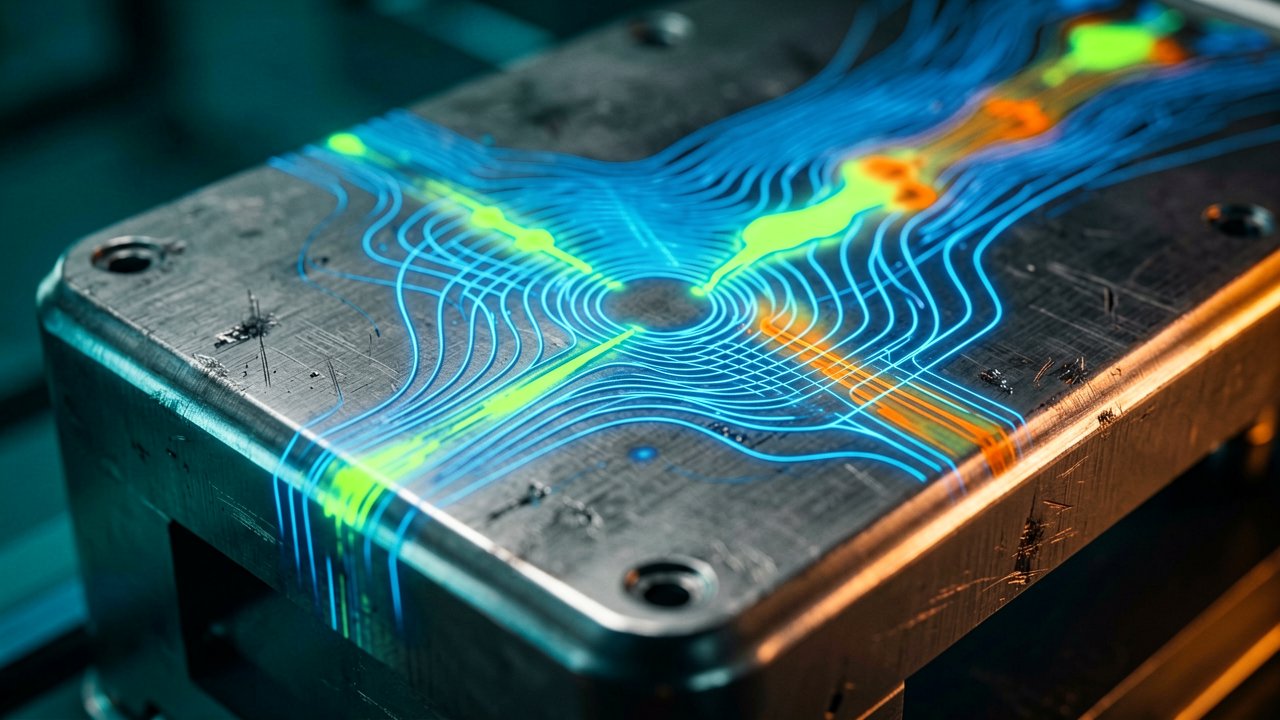
Physical reality matters in thermal management work. Engineers will spend hours in climate chambers testing how coolant flows through compact manifolds, measuring pressure drops with digital manometers, and watching temperature gradients on thermal cameras. The margin for error is thin when a single valve failure can cascade into battery overheating in an electric vehicle.
The robotics division represents the second major hiring pillar. Positions include mobile robot development, collaborative robot engineering, and global sales roles. These hires will advance products showcased earlier this year: parking robots, logistics robots, collaborative robots, and unmanned forklifts. The company is also partnering with Hyundai Engineering & Construction to build robot-friendly parking garages, suggesting mid-to-long term demand growth in this sector.
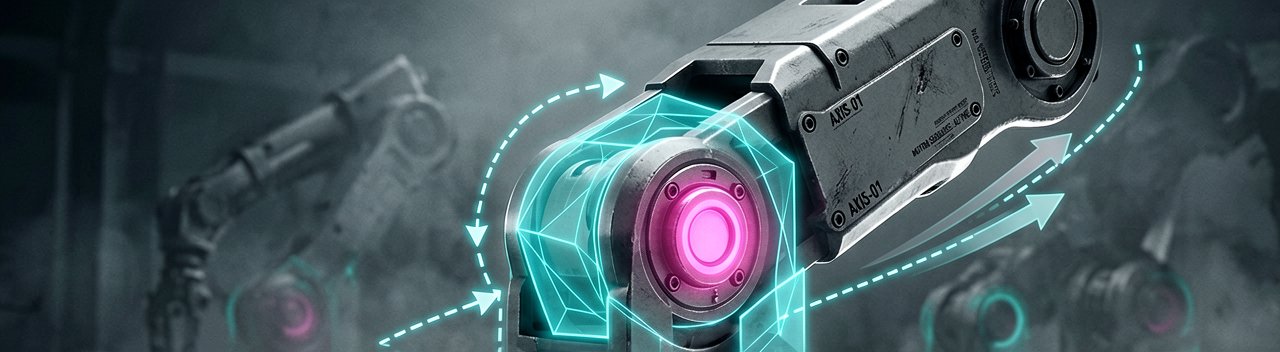
Future mobility components round out the recruitment. Researchers will work on Integrated Drive Axles (IDA), high-performance dampers, and drive system control. The stated goal is developing world-class parts capable of targeting the global finished vehicle market rather than remaining a supplier for domestic manufacturers.
A Hyundai Wia official stated the recruitment aims to secure competitiveness in core business areas including integrated thermal management systems, mobility parts, and robotics. The company will strive to become recognized for technological capabilities in the global market together with new talent.
Organizational culture changes accompany the hiring push. Hyundai Wia is introducing the Hyundai Motor Group's AI tool, H-Chat, into daily operations and shifting reporting methods to a digital-centric approach. A flexible work system allows employees to choose commuting hours, and an unassigned seating policy is in operation.
This recruitment strategy reflects a broader industry shift. Electric vehicle adoption has made thermal management systems critical rather than optional. Battery cooling efficiency directly impacts range, charging speed, and safety. The same physics that governs a laptop fan applies to a 100-kilowatt-hour battery pack, just with higher stakes and tighter tolerances.
Robotics demand is expected to grow explosively going forward, according to company statements. Labor shortages in logistics and warehousing have accelerated adoption of mobile robots and collaborative arms. The unmanned forklift market alone has seen compound annual growth rates exceeding 15% in major industrial economies.
Industry watchers are paying attention to whether securing talent aimed at thermal management technology and the smart factory robot markets will translate into future global contract competitiveness. The question isn't whether Hyundai Wia can hire engineers. It's whether those engineers can deliver products that win bids against established competitors like Denso, Calsonic Kansei, or Robert Bosch.
The application process itself reveals priorities. Candidates must submit documents through the Hyundai Wia recruitment website. The morning deadline on the 19th creates a narrow window for final submissions, which will test both applicant organization and IT infrastructure stability.
Eligibility includes graduates of four-year universities and those scheduled to graduate in August 2026. This timing suggests the company is planning for onboarding in the third quarter, likely to align with fiscal year planning cycles common in Korean manufacturing.
Whether this recruitment translates into measurable market share gains remains the real question. Hiring is easy. Retention, integration, and commercial success are harder problems that no job posting can solve.
Artūras Malašauskas is an AI Systems Integrator with 20+ years of production-grade web engineering experience. He has designed, shipped, and scaled enterprise Python/PHP systems for logistics, SaaS, and public-sector clients. For the past year, he has focused exclusively on AI integrations: deploying open-source LLMs, building generative media pipelines (image, audio, video), and engineering multi-agent workflows for real production environments. His standard: reproducibility, security, cost-efficient inference—no vaporware. He documents and evaluates emerging AI tooling, separating verified capabilities from marketing noise. Technical editor at: muza-ai.eu, ai-verslas.lt, ai-naujinos.lt Connect on LinkedIn
Comments