Trend Hunter's May 2026 Gadget Report Signals Shift Toward Purpose-Built Devices
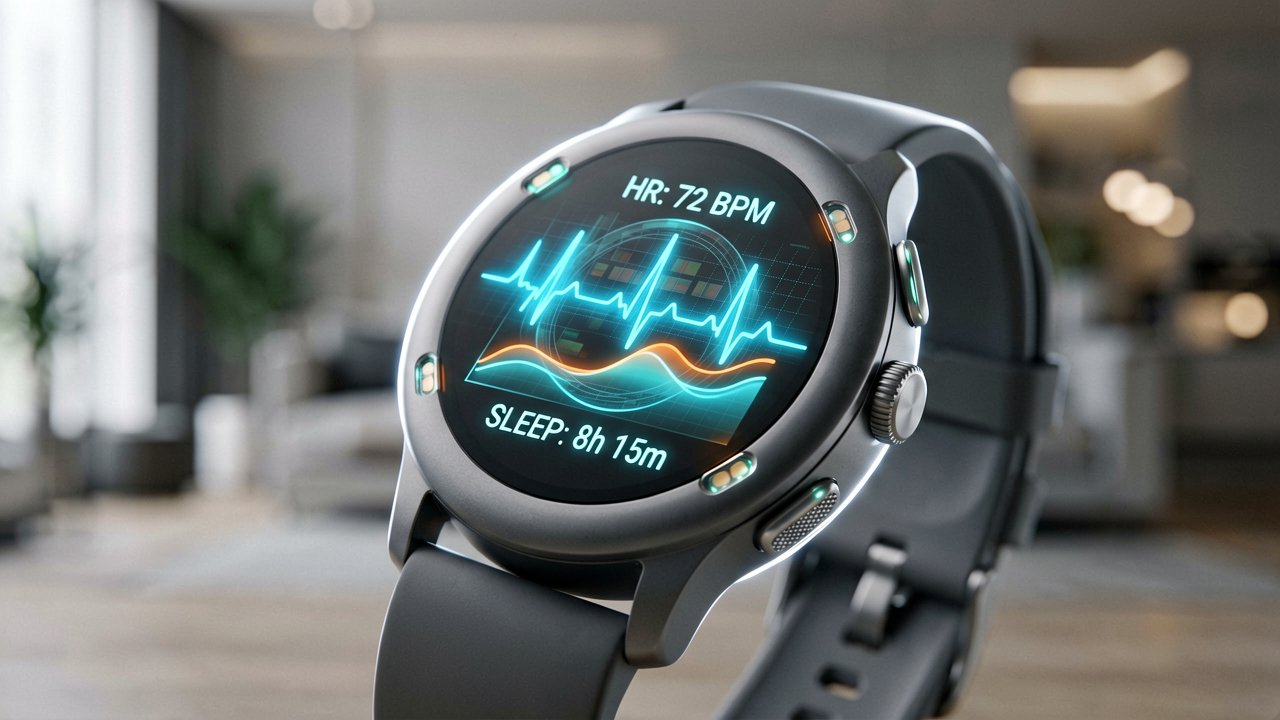
The consumer electronics landscape is undergoing a quiet but measurable transformation. Trend Hunter's May 2026 gadgets roundup documents a clear departure from the era of one-size-fits-all devices toward purpose-built hardware that addresses specific consumer needs. The report, published May 3, 2026, catalogs 100 distinct product movements across categories ranging from smart eyewear to portable router systems.
This isn't just a list of new releases. It's a signal that manufacturers are recalibrating their product strategies. The official Trend Hunter slideshow identifies three dominant threads: health integration, portability, and embedded intelligence. Brands are no longer competing solely on specs. They're competing on how seamlessly a device fits into a user's actual day.
Health-focused gadgets dominate the upper tiers of the ranking. Products like smart menopause wearables, sound therapy masks, and athlete-friendly smart sunglasses appear repeatedly. This signals something important: consumers want devices that support physical well-being, not just track it. The difference between a fitness tracker and a preventative health tool is the difference between data collection and actionable intervention. That's where the market is heading.
Portability remains a non-negotiable requirement. Mobile-compatible video rigs, compact storage hubs, and pop-on digital camera accessories enable on-the-go usage without sacrificing quality. The SmallRig and vivo Pro Video Rig Kit exemplifies this trend. Users can now mount professional-grade stabilization and audio equipment to smartphones without carrying separate rigs. The physical reality matters here: fewer cables, fewer clicks, less friction between idea and execution.
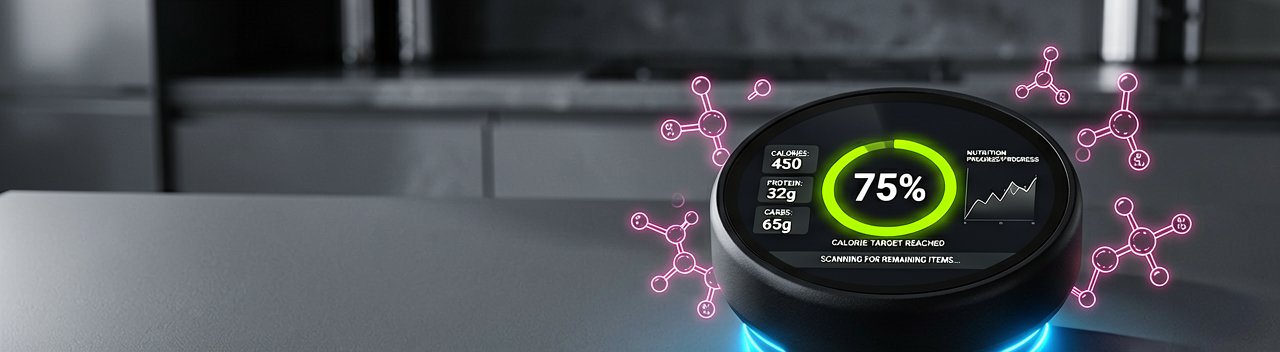
AI is becoming embedded rather than advertised. Edge AI IoT devices, AI-powered home robots, and AI-connected smart glasses suggest intelligence is moving from cloud-dependent services to local hardware processing. Samsung announced Galaxy AI Smart Glasses, while Oakley introduced new colorways for its smart eyewear. These aren't gimmicks. They're attempts to make AI feel less like a feature and more like a foundation.
The camera category shows particular interest in nostalgia-driven innovation. Film-style digital cameras like the Xiao Liu Rewindpix return to disposable camera rituals while maintaining digital convenience. Panasonic LUMIX GH7 cinema-focused mirrorless cameras sit alongside Killscreen's translucent retro controller releases. This duality—modern performance wrapped in analog aesthetics—appears across multiple categories. Users want the tactile satisfaction of physical media without the maintenance burden.
Audio hardware is fragmenting into specialized use cases. Suunto launched Spark Air-Conduction Headphones for active users, while Nothing introduced the Headphone (a) with 135-hour battery life. Apple improved the AirPods Max 2 with next-gen noise-canceling. Each targets a different scenario: sports, marathon listening sessions, or premium home use. The era of the universal headphone is ending. (Honestly, nobody needed another "all-purpose" earbud anyway.)
Smart home infrastructure is becoming more modular. Firewalla Orange offers palm-sized firewall router functionality, while GL.iNet introduced the Mango Mini Router for portable privacy. These devices address a real pain point: managing network security without technical expertise. The physical form factor matters—small enough to fit in a pocket, powerful enough to protect an entire home network.

PC and gaming hardware shows similar specialization. Nvidia added DLSS 4.5 Dynamic Multi Frame Generation modes, while Alphacool released Apex Monoblocks for AMD X870 motherboards. G.Skill validated XMP 3.0 kits for Intel Core Ultra 200S Plus processors. These aren't incremental updates. They're targeted solutions for specific performance bottlenecks. Users building custom rigs need components that work together without guesswork.
The personal care category deserves attention. Revlon's Versastyler three-in-one hair styling tools and Wahl's TrimNinja hybrid electric razors demonstrate how everyday appliances are absorbing smart features. Philips Sonicare Series 7100 achieves 62,000 bristle movements per minute with sensitivity-focused sensors. These devices don't just function—they adapt to user behavior over time.
Some trends remain speculative. Rabbit unveiled Project Cyberdeck to simplify tangible vibe coding, while Enabot's EBO Max positions itself as a responsive home robot. These products represent experimental categories where adoption remains uncertain. The technology exists, but the use case isn't yet proven. (That's the real question with most AI hardware: does it solve a problem or create one?)
Storage and power solutions show practical innovation. ROKFORM expanded its mobile device ecosystem with on-the-go power product lineups. Donut Lab conducted public tests for solid-state battery technology. These developments address fundamental limitations: battery anxiety and storage constraints. Users don't want to plan their day around charging cycles.
The LG Built-In Kitchen Suite and Hisense AI Agent Suite on ConnectLife represent home appliance integration. These aren't standalone products. They're ecosystems designed to work together. The friction point here is installation complexity. Smart homes should feel seamless, not like a series of separate apps that barely communicate.
Emerging categories include Vuebuds camera-integrated wireless earbuds that let users ask about surroundings in real time, and Shelpful smart tags that turn everyday tasks into instant automations. These products blur the line between wearable and tool. The physical interaction—tapping, swiping, speaking—becomes part of the interface design.
Security and privacy hardware gained prominence. Innovative Eyewear debuted Lucyd Armor Vantage smart safety glasses, while Shark partnered with SKYLRK for exclusive ChillPill cooling devices. These products address specific concerns: workplace safety and thermal management. The market is responding to real user needs, not theoretical problems.
The data from Trend Hunter's analysis suggests manufacturers are learning from past mistakes. The smartphone market saturated years ago. Now growth comes from adjacent categories: wearables, smart home, specialized audio, and niche computing devices. Each segment requires different expertise, different supply chains, and different marketing strategies.
Whether this fragmentation creates better products or just more choices remains to be seen. Consumers face decision fatigue when every category has five competing solutions. The real winners will be brands that can simplify the experience while maintaining performance. That's harder than it sounds.
For developers and businesses, the implications are clear. General-purpose platforms are less attractive than specialized solutions. The market rewards depth over breadth. A device that does one thing exceptionally well will outperform a device that does ten things adequately. This is the lesson from May 2026's gadget landscape.
The question isn't whether these trends will continue. It's whether consumers will actually pay for them. Premium pricing for specialized features only works if the value proposition is clear. Whether users actually pay for it remains the real question.
Artūras Malašauskas is an AI Systems Integrator with 20+ years of production-grade web engineering experience. He has designed, shipped, and scaled enterprise Python/PHP systems for logistics, SaaS, and public-sector clients. For the past year, he has focused exclusively on AI integrations: deploying open-source LLMs, building generative media pipelines (image, audio, video), and engineering multi-agent workflows for real production environments. His standard: reproducibility, security, cost-efficient inference—no vaporware. He documents and evaluates emerging AI tooling, separating verified capabilities from marketing noise. Technical editor at: muza-ai.eu, ai-verslas.lt, ai-naujinos.lt Connect on LinkedIn
Comments