Uber Launches In-App Hotel Bookings via Expedia Partnership
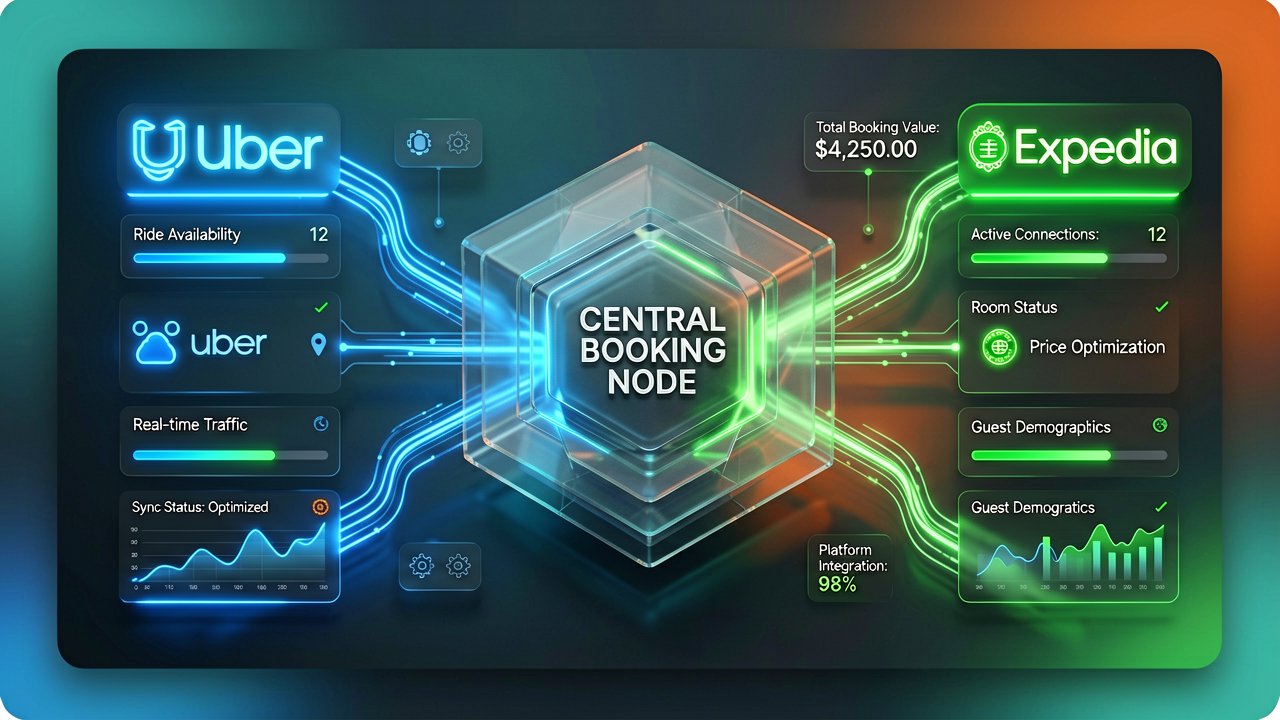
At its annual GO–GET product event, Uber Technologies unveiled a significant expansion into travel services, allowing users to book hotel stays directly within the Uber app. The announcement represents the ride-hailing company's continued push toward consolidating daily logistics into a single platform experience.
The new feature operates through a partnership with Expedia Group, giving Uber customers in the U.S. access to more than 700,000 hotel properties across global destinations. According to the company's official press release, the integration leverages Expedia's Rapid API technology to connect lodging inventory directly into Uber's interface.
Uber's investor relations documentation details the specific benefits for subscribers. Uber One members receive 10% back in Uber One credits on all hotel bookings, plus guaranteed savings of at least 20% on a rolling list of more than 10,000 hotels worldwide. Vacation rentals from Expedia's Vrbo brand will be added later in 2026.
Dara Khosrowshahi, Uber's CEO, framed the move as a response to what he called "cognitive overload" in modern life. His statement to investors emphasized reducing the friction of managing multiple apps for different services. The company's newsroom page reinforces this positioning, describing the update as part of a broader "one app for everything" strategy.
The New York Times reported on the announcement, noting this follows a pattern of travel-tech companies expanding beyond their original core offerings. The article contextualized Uber's move alongside similar expansions by Airbnb, which added hotel bookings and ride-sharing in early 2026, and Booking.com's diversification into flights and experiences.
The partnership includes reciprocal integration. Following an initial pilot, Uber rides will appear directly within the Expedia app beginning in June 2026. Travelers booking through Expedia will receive push notifications before their hotel check-in date, offering discounted Uber rides for the duration of their trip. This bidirectional approach suggests both companies are betting on cross-platform user retention.
Hotel bookings represent just one component of the broader GO–GET 2026 announcements. Uber simultaneously introduced Travel Mode, a concierge-style experience offering curated local recommendations, OpenTable restaurant reservations, and room service delivery to hotel doors. The company also debuted Voice Bookings using AI-powered conversational assistants, a redesigned "One Search" bar, and Shop for Me, which allows users to request items from stores not listed on the app.
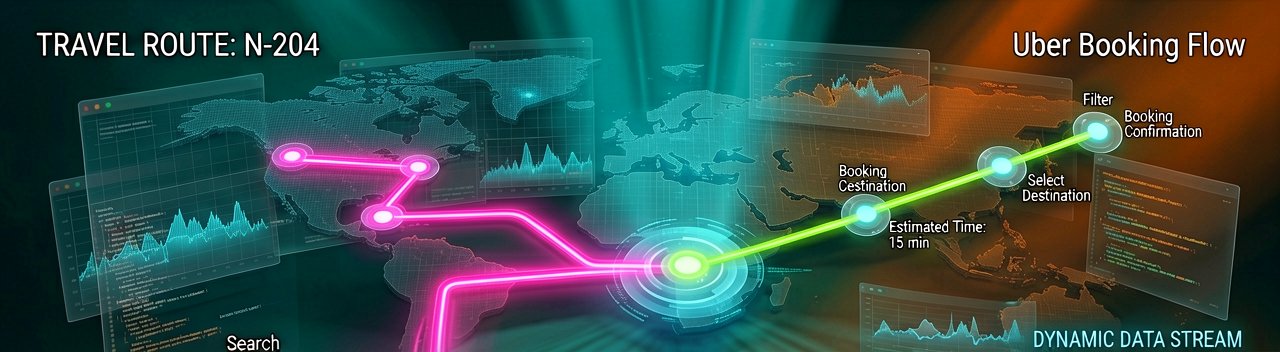
From a technical standpoint, the integration requires users to navigate through Uber's existing booking flow. The physical experience involves tapping the Hotels tab, entering destination and dates, then selecting from available properties. Uber One credits appear as a payment option at checkout, though the actual redemption mechanics for international bookings remain somewhat opaque in the documentation.

The timing aligns with summer travel season, when airline prices typically surge and consumers seek consolidated booking options. Uber's expansion into hotels comes as it already operates in 70 countries with existing services including food delivery, grocery, freight-hauling, and in some regions, helicopter rides and train tickets.
Industry analysts should note that this represents a strategic pivot rather than a simple feature addition. By embedding Expedia's inventory, Uber avoids building its own hotel booking infrastructure while capturing transaction value from a high-margin travel segment. The 10% credit back for Uber One members creates a retention loop—users book hotels to earn credits, then spend those credits on rides or deliveries.
Whether this integration actually simplifies travel planning or just adds another layer of complexity remains to be seen. The real test will be whether users prefer booking hotels through their ride app or stick with dedicated travel platforms. For now, Uber has positioned itself as an option, not a replacement.
The partnership's long-term success depends on execution details that remain unclear. How will Uber handle customer service disputes for hotel bookings? What happens when Expedia's inventory doesn't match Uber's pricing expectations? These operational questions matter more than the headline announcement.
Whether travelers actually adopt this workflow—or whether it becomes another feature buried in an increasingly crowded app—remains the real question.
Artūras Malašauskas is an AI Systems Integrator with 20+ years of production-grade web engineering experience. He has designed, shipped, and scaled enterprise Python/PHP systems for logistics, SaaS, and public-sector clients. For the past year, he has focused exclusively on AI integrations: deploying open-source LLMs, building generative media pipelines (image, audio, video), and engineering multi-agent workflows for real production environments. His standard: reproducibility, security, cost-efficient inference—no vaporware. He documents and evaluates emerging AI tooling, separating verified capabilities from marketing noise. Technical editor at: muza-ai.eu, ai-verslas.lt, ai-naujinos.lt Connect on LinkedIn
Comments