India Activates Cell Broadcast Disaster Alert System Nationwide
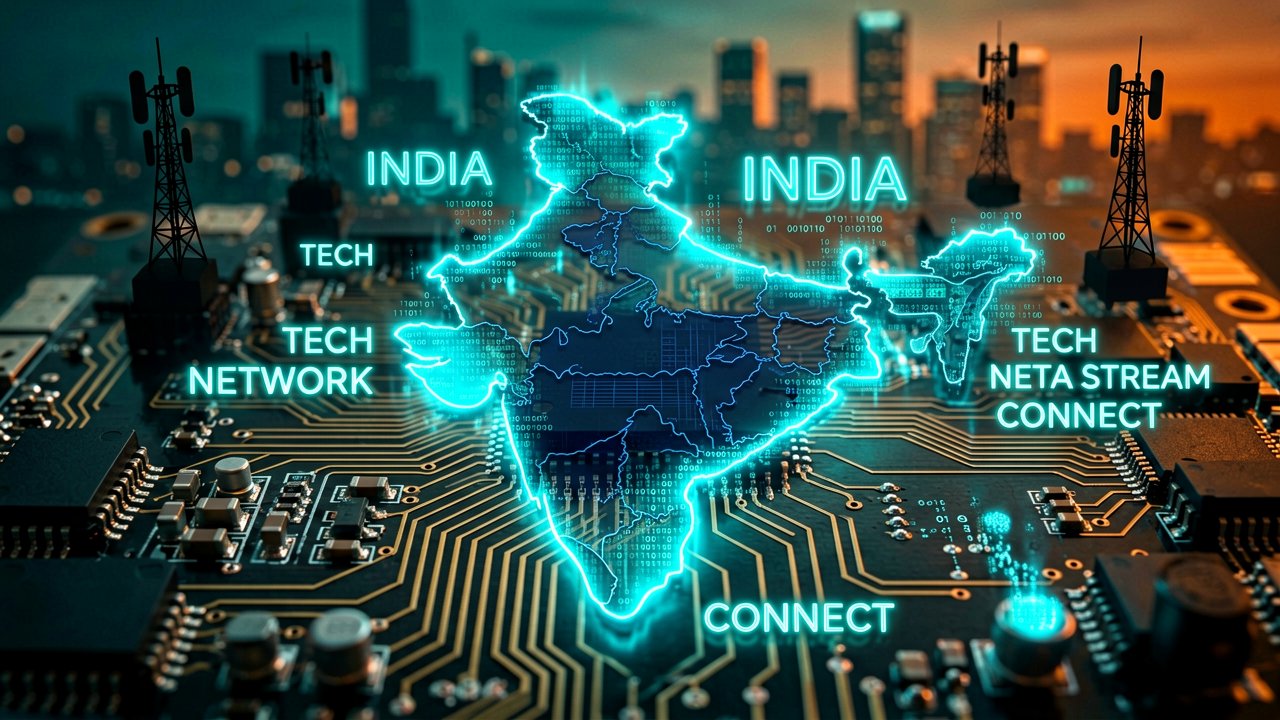
Your phone just screamed at you. Millions of mobile users across India received an urgent-sounding government alert on May 2, 2026, as the Government of India formally activated its indigenous Cell Broadcast emergency alert system. The message, marked "Extremely Severe Alert," produced a sharp alarm sound that overrides normal phone settings, even when devices are on silent or do-not-disturb modes.
This was not a drill gone wrong. It was a planned nationwide test of the SACHET (Integrated Alert System) platform, developed by the Centre for Development of Telematics (C-DOT), the premier R&D centre of the Department of Telecommunications. The system was officially launched by Union Home Minister Amit Shah alongside Union Communications Minister Jyotiraditya Scindia in a coordinated exercise across all capital cities and the Delhi-NCR region.
According to the official press release from the Press Information Bureau, the Cell Broadcast technology represents a significant upgrade over traditional SMS alerts. Unlike regular text notifications that sit quietly in your inbox, Cell Broadcast alerts transmit simultaneously to all mobile devices within a defined geographic area, ensuring near real-time delivery during time-critical situations.
The system is designed for disasters where seconds matter: earthquakes, tsunamis, lightning strikes, gas leaks, and chemical hazards. When triggered, the alert bypasses individual phone settings entirely. You cannot mute it. You cannot swipe it away before it sounds. (This is both a feature and a source of genuine anxiety for many users.)
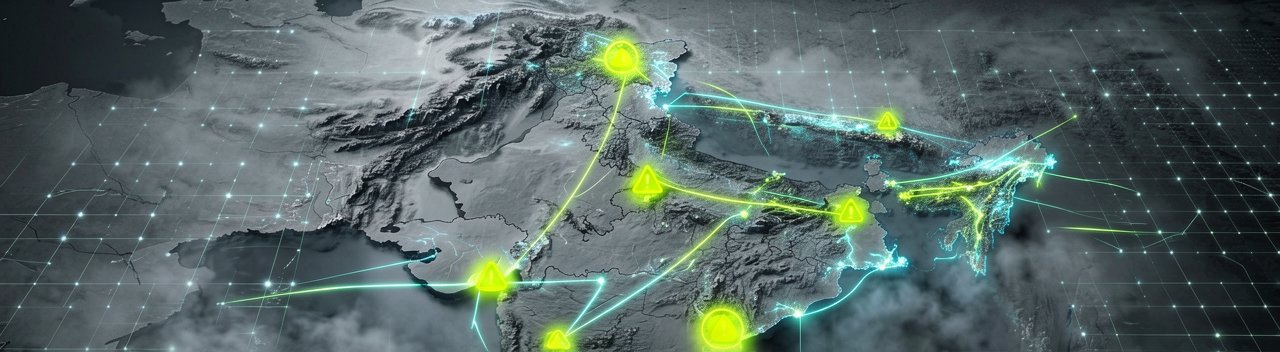
NDMA has already operationalized SACHET across all 36 States and Union Territories of India. The platform is based on the Common Alerting Protocol (CAP), as recommended by the International Telecommunication Union. To date, disaster management authorities have used the system to send over 134 billion SMS alerts in more than 19 Indian languages during natural disasters, weather warnings, and cyclonic events.
Independent reporting from NDTV corroborates the launch timeline and scope. The test message was sent in English, Hindi, and regional languages, with officials explicitly stating that no action was required from recipients. The message read: "India launches Cell Broadcast using indigenous technology, for instant disaster alerting service for its citizens. Alert citizens, safe nation. No action is required by the public upon receipt of this message. This is a test message."
The physical experience of receiving this alert was jarring for many. The alarm sound is designed to be unmistakable—loud, persistent, and impossible to ignore. For users in high-rise buildings or those with elderly family members, the sudden noise triggered immediate questions about evacuation protocols. What do you actually do when your phone screams that a tsunami is coming? Do you climb hundreds of stairs? The alert tells you danger exists, but it does not tell you how to survive it.
Users can enable or disable these alerts through their mobile device settings: Settings → Safety and emergency → Wireless emergency alerts → Test alerts. During the testing phase, recipients may receive multiple messages as authorities assess the system's performance and reliability across the entire mobile network infrastructure. The testing phase is ongoing prior to formal inauguration.
This is not India's first attempt at emergency communication. The existing SMS-based system has already proven its utility during cyclonic events and weather warnings. But SMS has limitations. Messages can be delayed, filtered as spam, or simply missed if a user's phone is off or out of coverage. Cell Broadcast addresses these gaps by using a different transmission protocol that does not rely on individual device connectivity in the traditional sense.
The technology is indigenous, developed entirely within India's telecommunications infrastructure. This matters for sovereignty and reliability. In a crisis, foreign systems may not be available or may be subject to external constraints. Homegrown technology means the government maintains full control over alert dissemination.
Not everyone received the test message. Some users reported their phones did not trigger the alert at all. This raises questions about device compatibility, carrier implementation, and whether the system will work universally when actual emergencies strike. If your phone didn't scream during the test, will it scream when a gas leak occurs?
Authorities emphasized that citizens should not panic. The test was successful. The system is now live. But the real test comes when disaster actually strikes. Whether the alert system saves lives depends on more than just technology—it depends on public trust, evacuation infrastructure, and whether people know what to do when their phone screams.
For now, the system is operational. The alerts are being sent. The question remains: when the next earthquake or cyclone hits, will this technology actually move people to safety, or will it just add noise to an already chaotic situation? Time will tell.
Artūras Malašauskas is an AI Systems Integrator with 20+ years of production-grade web engineering experience. He has designed, shipped, and scaled enterprise Python/PHP systems for logistics, SaaS, and public-sector clients. For the past year, he has focused exclusively on AI integrations: deploying open-source LLMs, building generative media pipelines (image, audio, video), and engineering multi-agent workflows for real production environments. His standard: reproducibility, security, cost-efficient inference—no vaporware. He documents and evaluates emerging AI tooling, separating verified capabilities from marketing noise. Technical editor at: muza-ai.eu, ai-verslas.lt, ai-naujinos.lt Connect on LinkedIn
Comments