Hong Kong Disneyland Deploys Free-Roaming Robotic Olaf
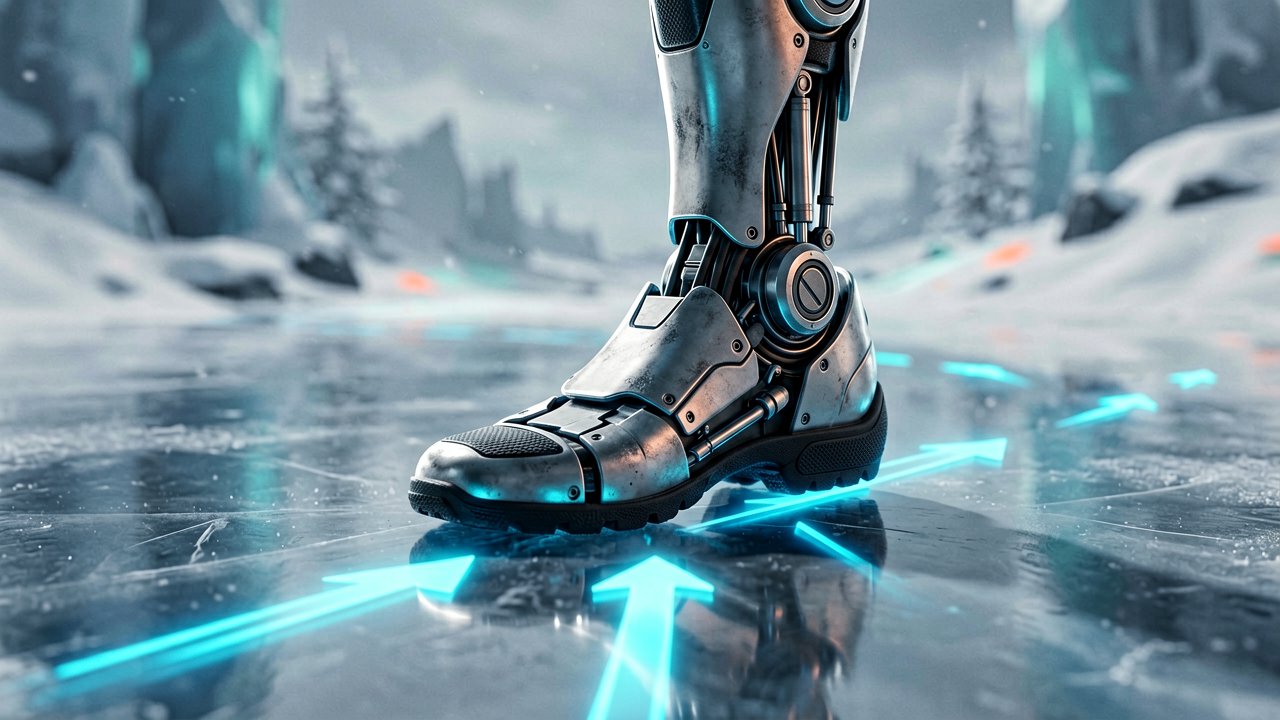
Hong Kong Disneyland has deployed a free-roaming robotic version of Olaf, the snowman from Disney's Frozen, beginning in early May 2026. The animatronic character operates within the World of Frozen zone, which opened in late November 2023, and represents the second Disney theme park globally to introduce this technology after Disneyland Paris debuted its version in late March.
According to reporting from Myanmar International TV, the robot was developed by Walt Disney Imagineering and can greet visitors while performing its signature shuffling steps and smiles. The unit accepts input in Cantonese, English, and Putonghua, though it currently responds only in English—a limitation that may frustrate local guests expecting native-language interaction.
This isn't a remote-controlled puppet. The Time Out Hong Kong article details that Disney's Imagineering Research & Development team built the robot using next-generation robotics designed to travel steadily across different terrain and adapt to surroundings. Character animators worked directly with engineers to ensure movements match the on-screen version.
The underlying technology is more sophisticated than it appears. Disney employed a GPU-accelerated simulator called Kamino alongside reinforcement learning to train Olaf to stand and walk in challenging environments. In Paris, the robot learned to navigate a moving boat in mere hours. In Hong Kong, the same system presumably handles the uneven pavement and crowded walkways of the World of Arendelle zone.
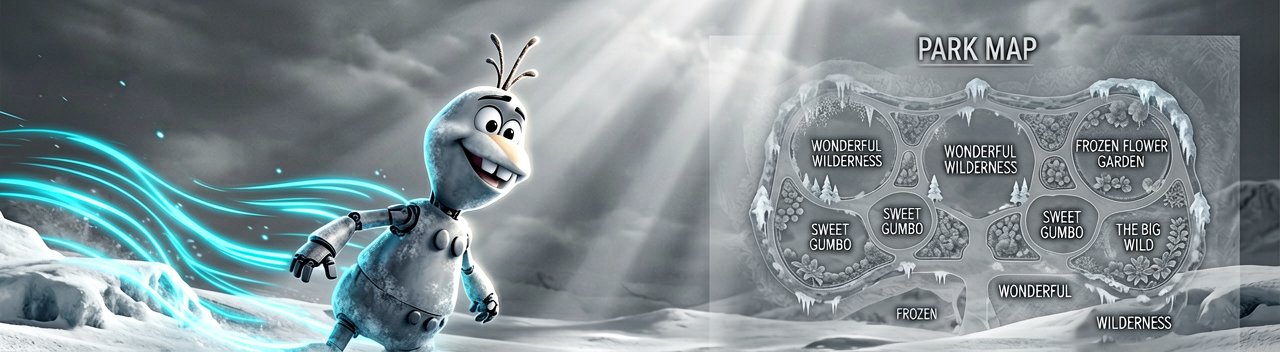
Disney has been working on autonomous characters for years. Previous iterations include the BDX droids, which laid groundwork for today's free-roaming capabilities. The company's Research Hub has reportedly trained these robots to fall softly—protecting vital components while maintaining the character's comedic, clumsy aesthetic. (Let's all promise not to push Olaf around when we see him, though.)
The physical experience matters here. Unlike traditional animatronics locked to a stage or track, this Olaf moves independently through the park. Guests encounter him unexpectedly, creating the illusion of a living character wandering through the World of Frozen. The top-heavy waddle translates from animation to real life, complete with the slight instability that makes the character endearing on screen.
Financially, this launch aligns with Hong Kong Disneyland's broader strategy. The resort reported FY25 results in late April 2026, showing 7.5 million visitors and record per-capita spending. Managing Director Tim Sypko emphasized sustained investment in innovative offerings and enhanced seasonal events as key drivers. The robotic Olaf fits squarely into this approach—new technology designed to stimulate repeat visitation and social media buzz.
The World of Frozen itself has been a strategic asset. The first snowy Christmas in the zone during FY25, paired with drone shows and concerts, drew record non-local guests in December 2024. Adding a free-roaming character extends the zone's appeal beyond seasonal events, giving visitors reasons to return and potentially spend more time in the area.
Language limitations remain a practical concern. Accepting input in three languages but responding only in English creates friction for Cantonese-speaking guests, who make up the majority of Hong Kong's population. This isn't a technical impossibility—Disney has demonstrated multilingual capabilities in other attractions—but it suggests the current deployment prioritizes speed to market over full localization.
Whether this technology scales to other characters remains uncertain. Time Out Hong Kong's article notes fan speculation about a Dug robot from Up, but Disney has not announced plans beyond Olaf. The company's recent focus on AI investments—including a reported $1 billion commitment to OpenAI—suggests digital experiences may compete with physical robotics for resources.
The robot's presence also raises operational questions. How does it handle park closures, extreme weather, or maintenance downtime? What happens when the battery dies mid-interaction? These aren't theoretical concerns—Hong Kong's extreme weather conditions in 2025 already influenced travel patterns, according to the resort's FY25 report.
For now, the robotic Olaf represents a genuine advancement in theme park technology. The combination of reinforcement learning, GPU simulation, and character-driven design creates an experience that feels closer to the animated film than previous animatronics. But whether guests actually value this over traditional character meet-and-greets remains the real question.
Disney has proven it can build the technology. The harder challenge is ensuring it enhances rather than complicates the guest experience. Time will tell if this works—or if it's just a coat of paint on a rusted gate.
Artūras Malašauskas is an AI Systems Integrator with 20+ years of production-grade web engineering experience. He has designed, shipped, and scaled enterprise Python/PHP systems for logistics, SaaS, and public-sector clients. For the past year, he has focused exclusively on AI integrations: deploying open-source LLMs, building generative media pipelines (image, audio, video), and engineering multi-agent workflows for real production environments. His standard: reproducibility, security, cost-efficient inference—no vaporware. He documents and evaluates emerging AI tooling, separating verified capabilities from marketing noise. Technical editor at: muza-ai.eu, ai-verslas.lt, ai-naujinos.lt Connect on LinkedIn
Comments