HyperLeap Enters North American Market with Modular Warehouse Robotics
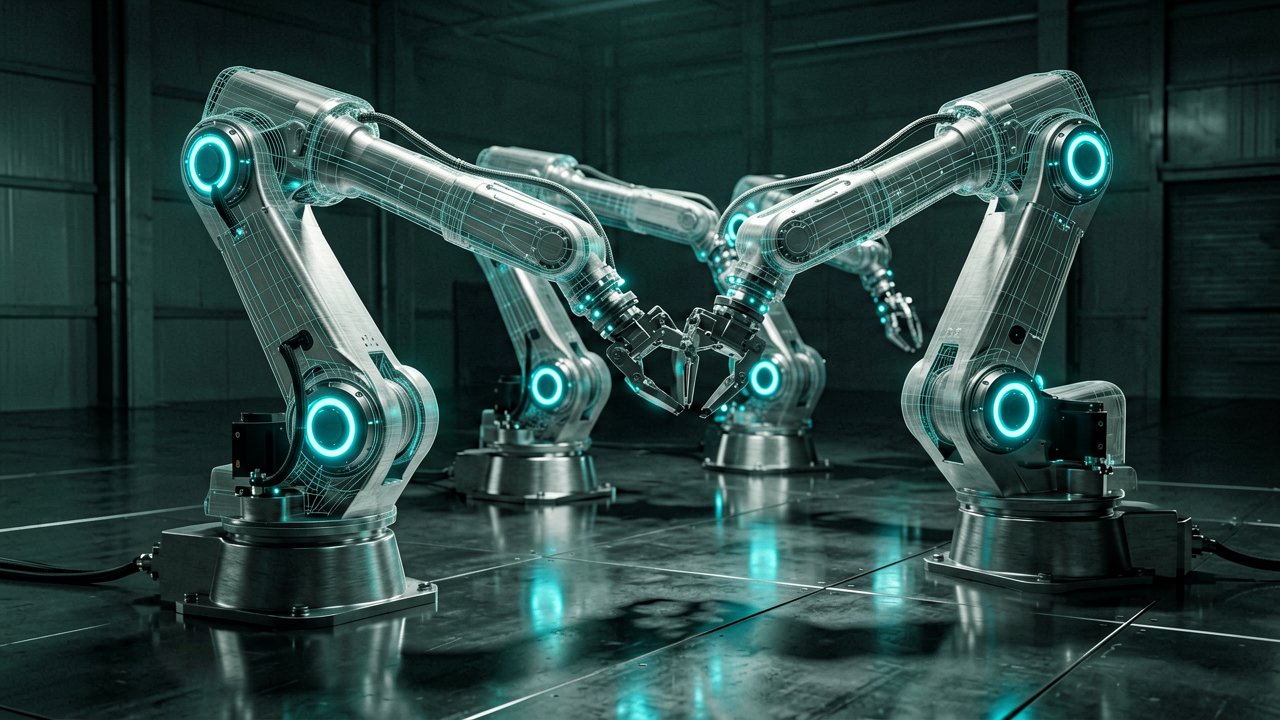
HyperLeap, a logistics robotics company based in China, announced its official entry into the North American market on April 29, 2026, with a launch event at the Santa Clara Convention Center in Silicon Valley. The company unveiled two flagship products: the HyperSort Flexible Robotic Sorting Solution and the HyperWall Node Series, positioning itself as a competitor in the warehouse automation sector.
The announcement came via PRNewswire, distributed through multiple outlets including Thailand Business News and The Globe and Mail. This is a press release, not independent journalism, so all specifications and claims should be understood as company statements rather than third-party verified data.
HyperSort is engineered as a modular sorting ecosystem where each functional unit—from robotic picking arms to sorting robots to put-walls—can be assembled like building blocks. The company claims this design enables warehouses of any size to construct their ideal sorting line without heavy customization or facility modification. Users can start small and add capacity module by module as order volumes grow.
Deployment speed is a key selling point. HyperLeap states the system allows rapid deployment within 1–2 weeks with no complex engineering required. Loading stations, sorting robots, and robotic put-walls can be added or removed without stopping operations, adapting to seasonal spikes or business changes. One sorting system can support over a thousand sorting destinations, utilizing vertical space to maximize throughput per square foot.
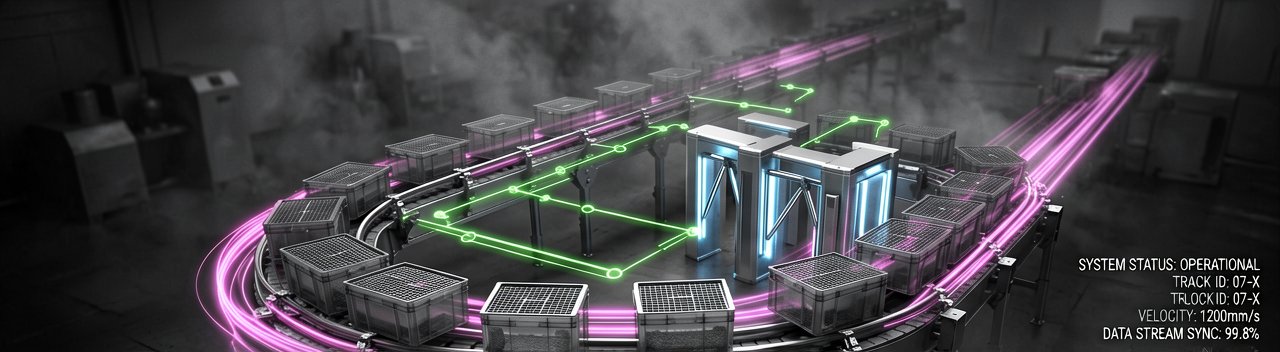
On the performance side, the company claims system sorting accuracy could achieve 99.99%. The design incorporates arc turning and dual-flap mechanisms for higher sorting efficiency, plus AI-powered vision for real-time jam detection and overflow prevention. Whether these metrics hold in real-world deployments remains to be seen (a problem that has plagued users for years, frankly).
The HyperWall Node Series targets workstation flexibility. Each unit installs in under 10 minutes and is ready to operate after basic wiring. The system supports unlimited chute quantities and sizes, compatible with multiple tote dimensions. Operation features a zero-threshold interface with API integration, direct order import, and an ergonomic height-adjustable screen.
Full traceability is optional through an AI vision solution with image capture and archiving for complete dispute resolution. This matters for warehouses dealing with high-volume e-commerce fulfillment where package accountability is critical.
HyperLeap is pursuing early-stage cooperation with logistics integrators and channel partners across North America. The target audience includes operations seeking to reduce peak-season labor costs while maximizing flexibility and spatial efficiency. The company will showcase its solutions at ProMat 2027, inviting partners to its booth for collaboration talks and early-bird pricing.

The company's contact information lists [email protected] and the website www.hyperleap.com.cn/en/. The .cn domain and Chinese email address indicate HyperLeap is a Chinese company expanding internationally. This is notable in the current trade environment where cross-border technology transfers face scrutiny.
Physical interaction with these systems would involve warehouse staff managing modular components that snap together without complex engineering. The 10-minute HyperWall setup means workers can reconfigure fulfillment stations during shift changes without waiting for external technicians. The height-adjustable screen suggests consideration for worker ergonomics, though actual comfort depends on implementation quality.
Industry context matters here. Warehouse automation has been dominated by established players like Amazon Robotics, Honeywell Intelligrated, and Dematic. HyperLeap's modular approach competes on flexibility rather than raw throughput. The 1–2 week deployment timeline is aggressive compared to traditional automation installations that often take months.
The 99.99% accuracy claim is ambitious. In practice, warehouse sorting systems face variables like package size variance, barcode readability, and conveyor belt wear. AI vision helps with jam detection, but mechanical reliability determines long-term performance. Independent testing would be needed to validate these specifications.
ProMat 2027 serves as the next verification point. Industry trade shows allow hands-on evaluation of robotics claims. Early-bird pricing suggests HyperLeap is incentivizing early adopters, which is common for market entrants seeking reference installations.
Whether North American logistics operators will trust a Chinese robotics firm with critical warehouse infrastructure remains the real question. Supply chain resilience concerns and data sovereignty issues could affect adoption rates regardless of technical specifications.
Artūras Malašauskas is an AI Systems Integrator with 20+ years of production-grade web engineering experience. He has designed, shipped, and scaled enterprise Python/PHP systems for logistics, SaaS, and public-sector clients. For the past year, he has focused exclusively on AI integrations: deploying open-source LLMs, building generative media pipelines (image, audio, video), and engineering multi-agent workflows for real production environments. His standard: reproducibility, security, cost-efficient inference—no vaporware. He documents and evaluates emerging AI tooling, separating verified capabilities from marketing noise. Technical editor at: muza-ai.eu, ai-verslas.lt, ai-naujinos.lt Connect on LinkedIn
Comments