Coco Robotics Deploys 100+ Branded Robots for F1 Miami Campaign
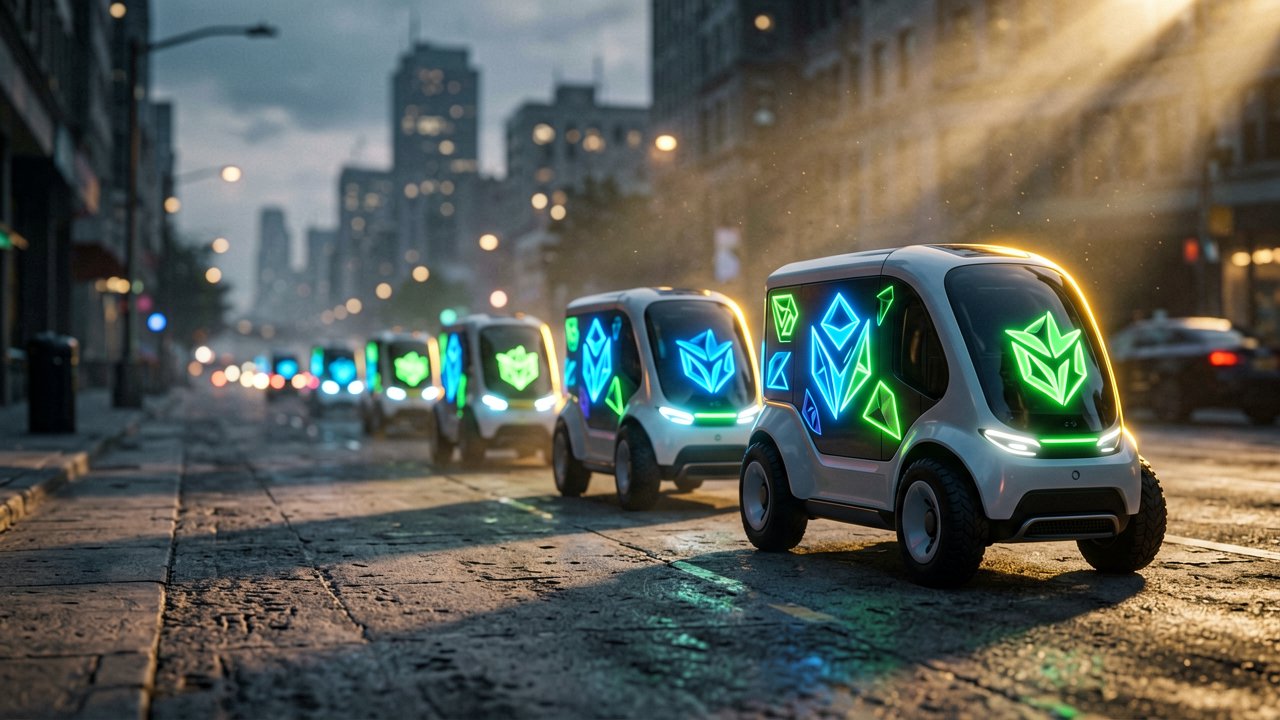
More than 100 autonomous delivery robots are rolling through Miami's sidewalks this week, but they're not just carrying food or packages. Coco Robotics has wrapped its entire active fleet in brand campaigns, turning routine last-mile logistics into a scaled out-of-home media channel during the Formula 1 Miami Grand Prix weekend.
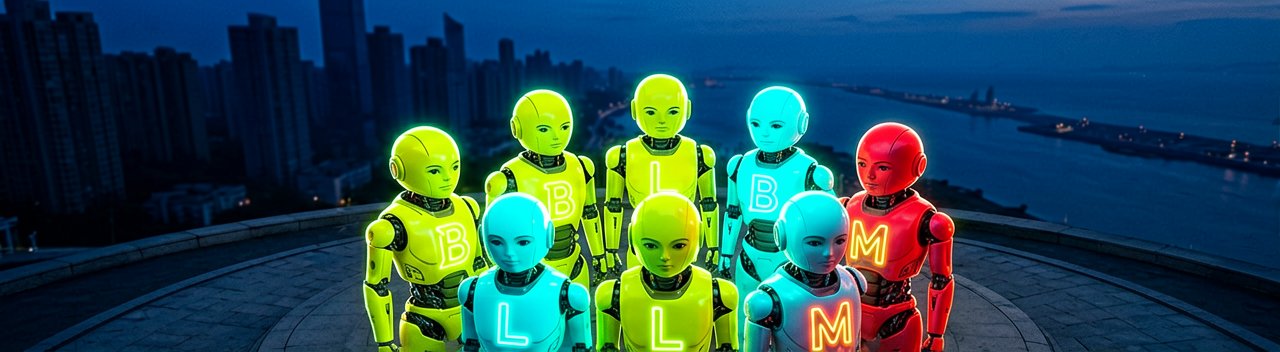
The press release, distributed via PRNewswire on April 29, 2026, confirms the campaign spans South Beach, Wynwood, Brickell, and downtown Miami. Seven brands are participating: NVIDIA, Coca-Cola, BYLT, Live Tinted, Leisure Hydration, Beehiiv, and VaynerMedia.
This isn't a special deployment. The robots are the same units that have been operating in Miami since 2025, navigating crowded sidewalks at walking pace while yielding to pedestrians. The brand wraps are applied to existing hardware, meaning no additional infrastructure was needed to launch the campaign. That's the core of the business model here: an always-on delivery network that doubles as a mobile billboard fleet.
Josh Dubin, Head of Ads at Coco Robotics, noted that having major brands represented during high-profile tentpoles demonstrates how quickly autonomous robots are becoming part of the out-of-home landscape. The fleet moves with the city, embedded in neighborhood fabric rather than parked in static locations like traditional billboards or digital screens.

For brands like BYLT, which serves as an official apparel partner of F1 Miami, the campaign extends reach beyond the track. Davide Mattucci, CMO at BYLT, said the company wanted to connect with race fans in the streets where they're actually experiencing the event's culture and activities. The robots present the brand in the real world, not just on a screen or in a stadium.
There's something almost jarring about watching a delivery robot glide past you on a crowded sidewalk, its exterior plastered with a tech company logo. You're not looking at a static ad; you're sharing physical space with it. The robot yields when you step in front, accelerates when the path clears, and continues its route. That kinetic interaction is fundamentally different from scrolling past a digital banner or walking past a billboard.
Coco Robotics has completed over 500,000 zero-emission deliveries across the U.S. and Europe since founding in 2020. The company's fleet continuously learns from millions of miles of real-world operations, which allows rapid expansion into new cities while maintaining safe operations. This data-driven intelligence is what makes the platform scalable for both logistics and advertising.
The campaign runs for several weeks surrounding the F1 weekend and the Possible Conference. Seven brands running simultaneously demonstrates the fleet's ability to scale for major cultural moments without requiring additional hardware to hit the street. The robots are already there, already moving, already visible.
Street-level impressions are expected to reach into the millions over the campaign duration. That's not a vanity metric either. These robots operate in dense urban neighborhoods where pedestrian traffic is concentrated, particularly during major events like the Grand Prix. The ads aren't competing with billboards on highway overpasses; they're competing for attention at eye level, moving through the same spaces where people are walking, shopping, and socializing.
This represents a broader evolution in how brands approach physical environments during cultural moments. Autonomous delivery platforms are being treated as both logistics and media channels, reflecting a shift in out-of-home advertising strategy. The question isn't whether the technology works—it's already operating daily. The question is whether advertisers will pay enough to make this sustainable as a revenue stream.
Coco's business model hinges on dual monetization: delivery fees from merchants and restaurants, plus advertising revenue from brands. The advertising layer doesn't interfere with the core delivery function, but it does add complexity to fleet management. Brand wraps need to be applied, rotated, and maintained. That's operational overhead that doesn't exist in pure delivery operations.
Whether the advertising revenue meaningfully offsets the cost of fleet operations remains to be seen. The technology is proven. The market presence is established. The real test is whether brands will continue investing in this channel beyond novelty campaigns tied to major events like F1. Time will tell if this becomes a sustainable revenue pillar or just a clever marketing stunt.
Artūras Malašauskas is an AI Systems Integrator with 20+ years of production-grade web engineering experience. He has designed, shipped, and scaled enterprise Python/PHP systems for logistics, SaaS, and public-sector clients. For the past year, he has focused exclusively on AI integrations: deploying open-source LLMs, building generative media pipelines (image, audio, video), and engineering multi-agent workflows for real production environments. His standard: reproducibility, security, cost-efficient inference—no vaporware. He documents and evaluates emerging AI tooling, separating verified capabilities from marketing noise. Technical editor at: muza-ai.eu, ai-verslas.lt, ai-naujinos.lt Connect on LinkedIn
Comments