BITS Pilani Opens Smart Manufacturing Centre in Bengaluru
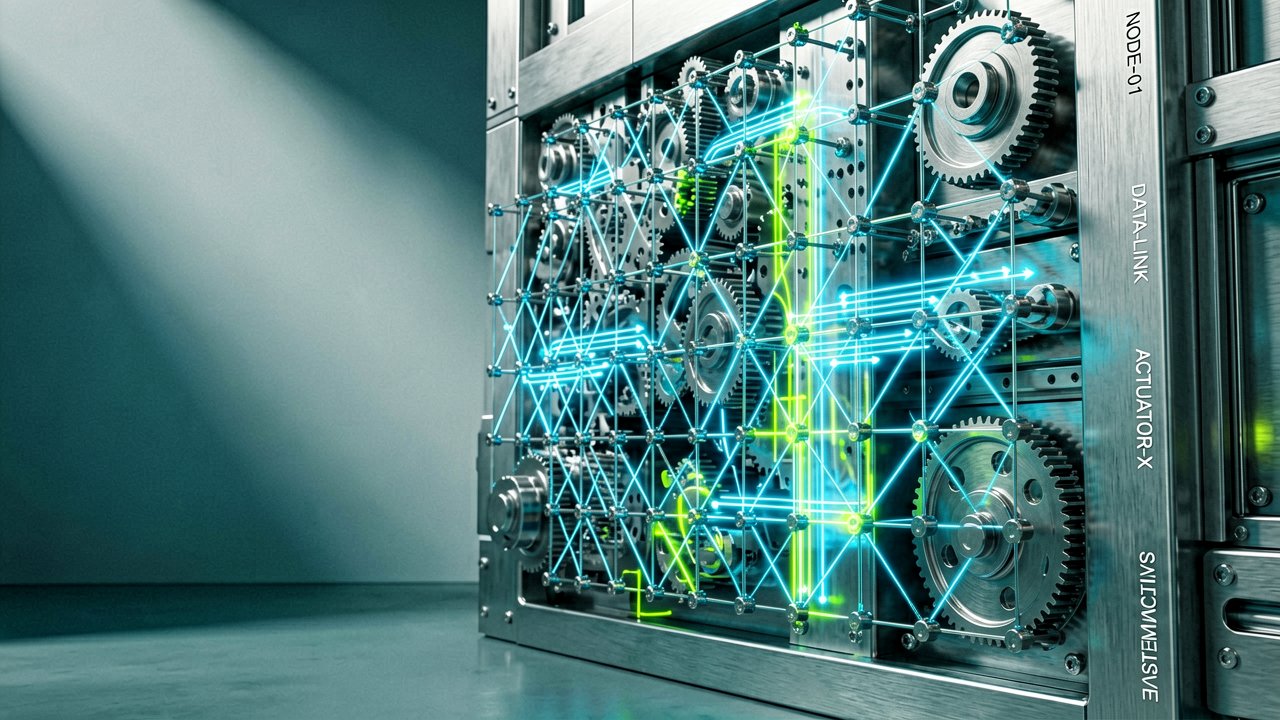
BITS Pilani has inaugurated its Smart Manufacturing Competency Centre (SMCC) in Bengaluru, marking the second facility in a planned series of competency centres being established across India in 2026. The launch follows the Automotive Competency Centre (ACC) opened in Chennai in February 2026, according to reporting from Entrepreneur India.
The centre represents a strategic expansion of the university's Work Integrated Learning Programmes into experiential manufacturing education. Bengaluru was selected as the location because it serves as India's leading technology and industrial hub, hosting major companies and MSMEs across aerospace, defence, electronics, automobiles and advanced manufacturing sectors.
Inside the facility, students and professionals will encounter state-of-the-art laboratories covering mechatronics, machine vision, Industry 4.0 and 5.0 systems, industrial robotics, extended reality (XR) and rapid prototyping. The physical setup allows hands-on interaction with equipment rather than theoretical exposure alone (which is where most engineering programmes fall short, honestly).
The SMCC will focus on advanced technologies including industrial automation, Industrial Internet of Things (IIoT), artificial intelligence and machine learning for manufacturing, digital twins, virtual commissioning and advanced robotics. These technologies aim to improve productivity, enhance quality, increase energy efficiency and optimise manufacturing processes.
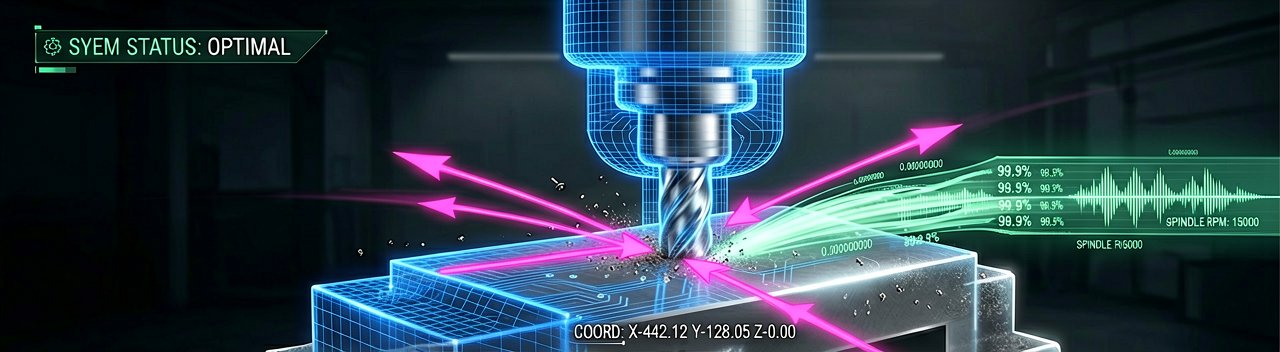
Training programmes include short 2–3 day intensive courses and specialised six-month programmes designed according to industry requirements. Working professionals can upgrade their skills while students gain industry-oriented practical exposure through live projects and case studies.
One of the centre's primary objectives involves supporting MSMEs in their digital transformation journey. Many small and medium enterprises face financial and technical challenges when adopting new technologies. The centre provides opportunities to understand and adopt advanced technologies without making heavy investments upfront.
MSMEs can test solutions, develop projects in collaboration with experts and students, and evaluate return on investment before large-scale deployment. This approach reduces both risks and costs for smaller manufacturers attempting to modernise their operations.
V. Ramgopal Rao stated that the launch represents a major step toward building stronger collaboration between academia and industry. The centre will help students, educators and industries solve real manufacturing challenges while contributing to making India self-reliant in advanced manufacturing.
G. Sundar noted that the initiative creates a learning environment aligned with changing industry needs. It will equip students and professionals with skills that remain relevant long-term while accelerating the digital transformation of India's manufacturing sector.
Seshnath B described the centre as an important initiative toward strengthening India's industrial future. Future technologies will be showcased through real demonstrations and proof-of-concept models, further strengthening collaboration between industries and academic institutions.
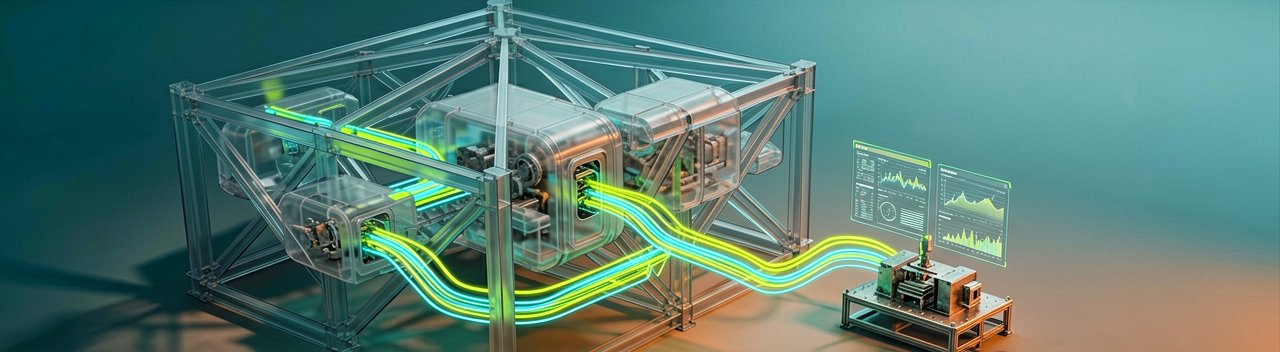
The facility operates as a learning factory environment where companies can prototype, test and validate solutions before shopfloor deployment. This reduces technical barriers and allows organisations to see tangible results before committing to full implementation.
Students participating in the programme will not be limited to textbook learning. They receive direct exposure to AI-based manufacturing systems, robotics, automation and smart factory technologies through hands-on interaction with actual equipment.
Participation in live projects, industry case studies and research-based activities strengthens technical, analytical and problem-solving abilities. Working with industry experts and companies helps students secure better internship and employment opportunities.
The initiative prepares students for careers in rapidly growing sectors including Industry 4.0, artificial intelligence, robotics, IIoT and digital manufacturing. It also encourages innovation and startup culture, enabling students to convert ideas into prototypes and business models.
First Construction Council confirmed the April 25, 2026 launch date in their coverage of the event. The centre's establishment aligns with broader efforts to promote Industry 4.0 and digital manufacturing across India's industrial landscape.
Whether the centre achieves its stated goals depends on sustained industry participation and the ability to maintain equipment relevance as technologies evolve. Manufacturing education facilities often struggle with keeping pace with rapid technological change.
The real test comes when MSMEs actually adopt solutions developed through the centre and when students translate their training into meaningful employment outcomes. Infrastructure alone doesn't guarantee transformation.
Artūras Malašauskas is an AI Systems Integrator with 20+ years of production-grade web engineering experience. He has designed, shipped, and scaled enterprise Python/PHP systems for logistics, SaaS, and public-sector clients. For the past year, he has focused exclusively on AI integrations: deploying open-source LLMs, building generative media pipelines (image, audio, video), and engineering multi-agent workflows for real production environments. His standard: reproducibility, security, cost-efficient inference—no vaporware. He documents and evaluates emerging AI tooling, separating verified capabilities from marketing noise. Technical editor at: muza-ai.eu, ai-verslas.lt, ai-naujinos.lt Connect on LinkedIn
Comments