FET Unveils M6000 All-in-One Launch and Recovery System
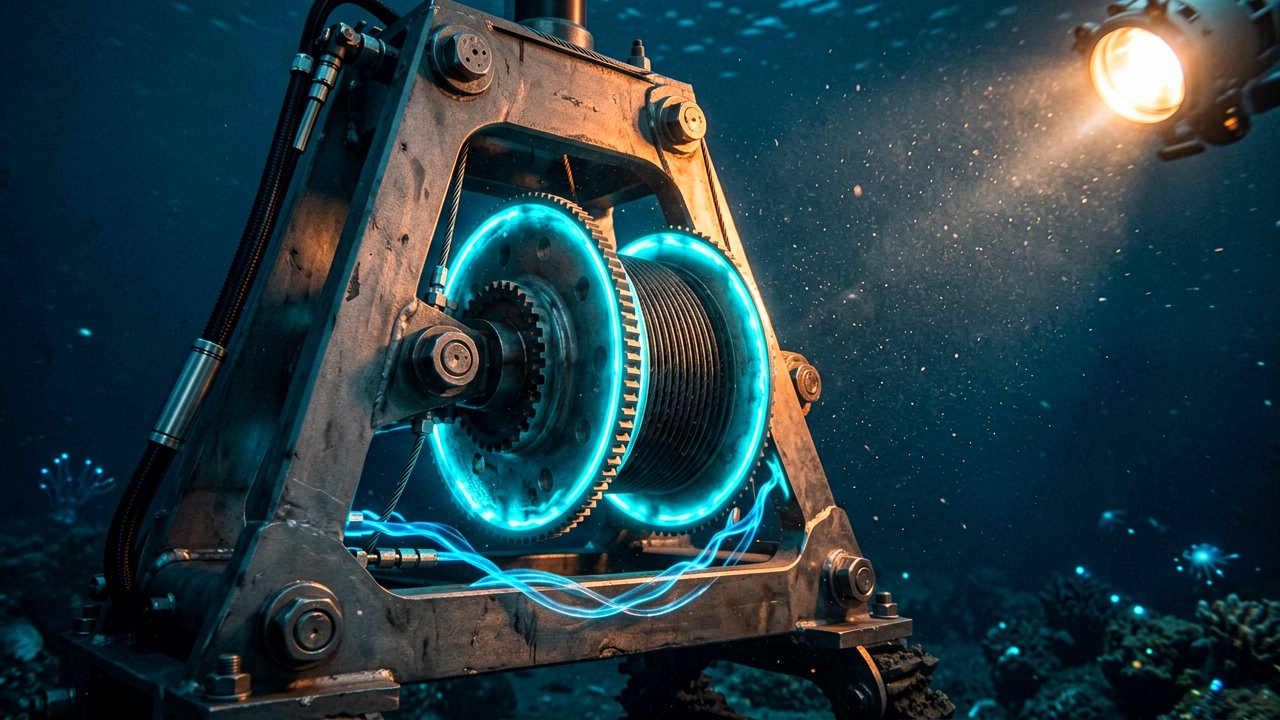
Forum Energy Technologies has introduced the Model 6000 (M6000), a compact launch and recovery system designed to consolidate multiple topside components into a single skid-mounted package. The system targets inspection and light work-class remotely operated vehicle operations, addressing a persistent pain point in offshore deployment workflows.
Part of FET's Dynacon product line, the M6000 integrates the A-frame, winch, and hydraulic power unit into one unified assembly. This configuration enables a single-point lift without requiring additional cabling or hose connections during mobilization. The design directly reduces vessel interface time and onboard footprint—two critical constraints for operators working on vessels with limited deck space.
The first M6000 system, equipped with a Perry Super Mohawk ROV, was delivered to a US-based client and is already in operational service. Manufacturing and testing took place at FET's facility in Bryan, Texas, allowing client witnessing during the fabrication process. This approach is becoming more common in the industry as operators demand greater transparency in equipment build quality.
Technical specifications include a safe working load of up to 5,200 kg and an umbilical capacity of 3,300 m. The system is DNV-certified and incorporates a gimbal docking head with swing and sway functionality. Pre-wired electrical integration supports plug-and-play deployment, which drastically cuts setup time (a problem that has plagued users for years, frankly).
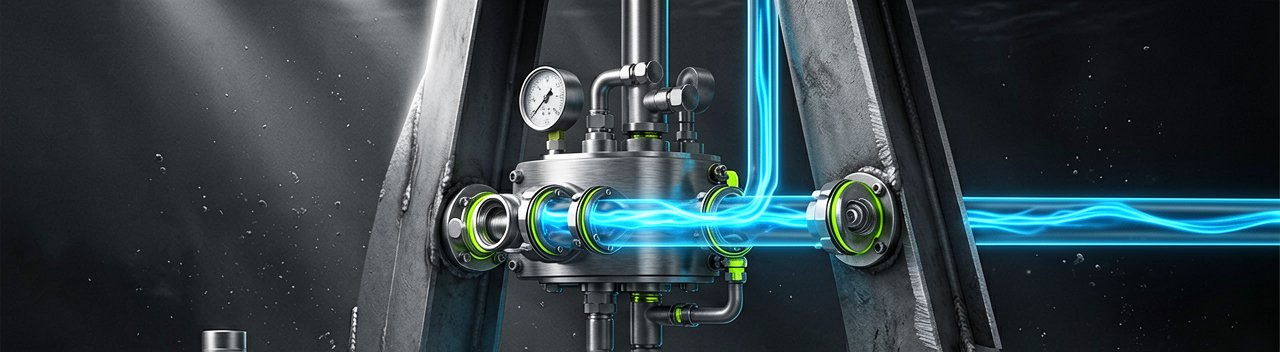
According to Ocean News & Technology, the M6000 is developed for deployment with inspection and small work-class ROVs such as FET's Comanche and Super Mohawk. Applications span inspection, maintenance, and repair activities, cable lay, and pipeline or structural inspections. Use cases range from offshore wind farms and dam surveys to pre-survey and light construction tasks.
Kevin Taylor, Vice President at FET Subsea, stated: "The M6000 reflects our ongoing commitment to deliver more integrated solutions for subsea operators to maximize cost effectiveness. By combining all topside components in a single compact package, we're helping customers mobilize faster and operate more efficiently. This is a system built with versatility and performance at the forefront."
Independent reporting from World Oil confirms the system's compact footprint is intended to improve operational flexibility, particularly for vessels with limited deck space. The publication notes the M6000 supports IMR, cable lay, and subsea survey work while being compatible with smaller ROV systems.
The model entered production in 2025 following successful field deployment with a client earlier that year. This timeline suggests FET moved from prototype validation to commercial availability relatively quickly—a sign the design met operational requirements without extensive iteration.
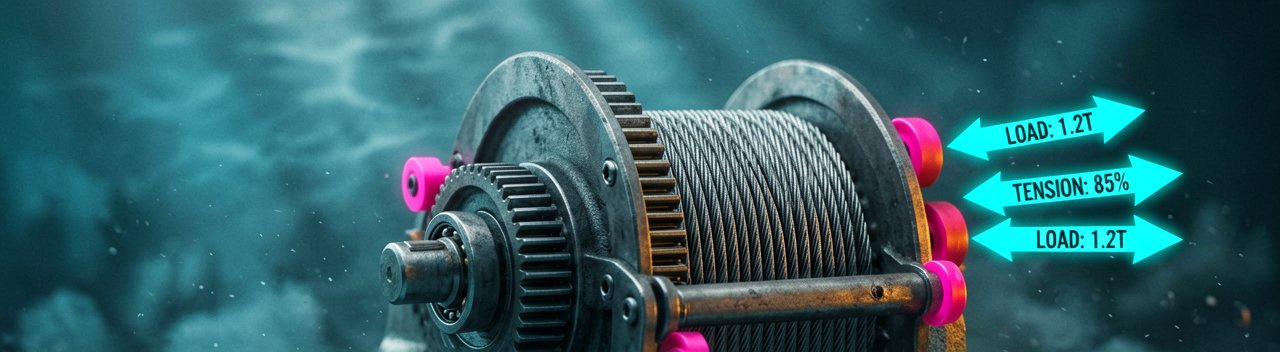
Physical interaction with the system differs from traditional LARS setups. Operators no longer need to manage separate hydraulic connections or run additional cables between components. The single skid means one crane lift, one set of securing points, and one electrical interface. The tactile difference is immediate: fewer connection points to check, fewer potential failure modes to troubleshoot.
Industry context matters here. Traditional launch and recovery systems often require multiple components to be rigged separately on deck, creating coordination complexity during mobilization. The M6000's integrated approach reduces this friction, though it does come with trade-offs. A single-point failure in the integrated system could theoretically impact multiple functions simultaneously.
DNV certification provides assurance on safety standards, but operators should still evaluate whether the consolidated design fits their specific operational profile. Vessels with different deck configurations or ROV requirements may find the M6000's fixed integration less flexible than modular alternatives.
Whether the market adopts this integrated approach at scale remains to be seen. The first unit is in service, but broader deployment will depend on how the system performs across different vessel types and operational conditions. Cost savings from reduced mobilization time must outweigh any limitations in configurability.
Artūras Malašauskas is an AI Systems Integrator with 20+ years of production-grade web engineering experience. He has designed, shipped, and scaled enterprise Python/PHP systems for logistics, SaaS, and public-sector clients. For the past year, he has focused exclusively on AI integrations: deploying open-source LLMs, building generative media pipelines (image, audio, video), and engineering multi-agent workflows for real production environments. His standard: reproducibility, security, cost-efficient inference—no vaporware. He documents and evaluates emerging AI tooling, separating verified capabilities from marketing noise. Technical editor at: muza-ai.eu, ai-verslas.lt, ai-naujinos.lt Connect on LinkedIn
Comments