Terra Industries Launches Defense Drones for Nigerian Military
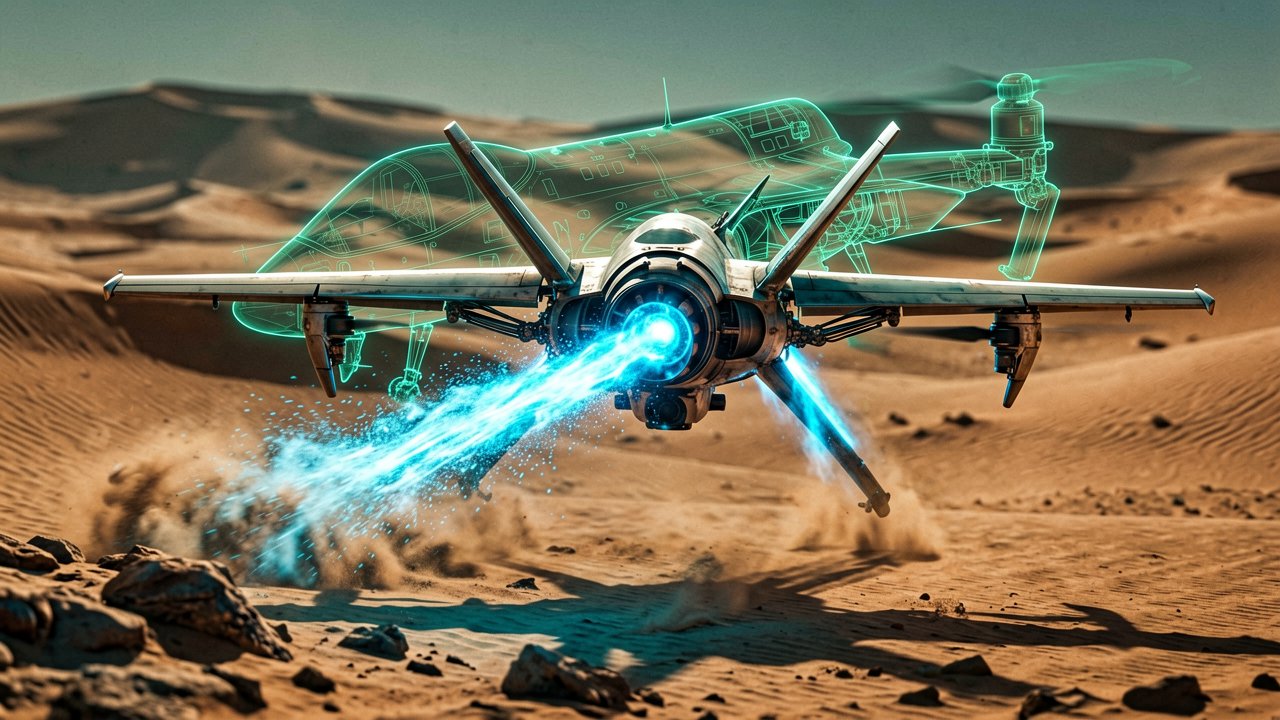
Nigeria-backed startup Terra Industries has unveiled interceptor drones, mine-clearing robots, and battlefield intelligence software designed for military deployment against Islamic militants in the country.
The launch represents a strategic pivot from the company's previous focus on civilian drones and security technology into defense systems. According to the Business Post Nigeria report, the systems aim to help troops confronting insurgents who have increasingly used roadside bombs and drones in recent attacks.
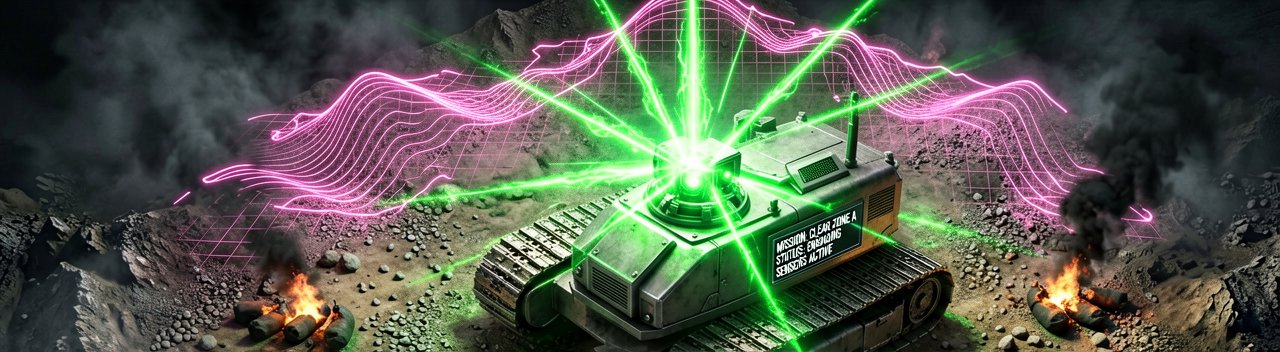
CEO Nathan Nwachukwu confirmed the new capabilities during the Monday unveiling. "We are unveiling new defence systems such as our interceptor UAVs, our minesweepers, ground vehicles that can detect IEDs on the ground, and our battlefield intelligence software," he stated.
The timing matters. Militants have stepped up attacks against army positions using improvised explosive devices and low-cost commercial drones modified for surveillance or attack roles. This mirrors trends seen in conflicts from Ukraine to the Middle East, forcing armies to invest in counter-drone systems, electronic warfare, and autonomous ground equipment.
For Nigeria, the challenge is acute. The country has battled Islamist insurgency in the northeast for more than a decade, with Boko Haram and Islamic State West Africa Province remaining active despite repeated military offensives. Violence linked to banditry and kidnappings has also spread across other parts of the country.
Major General Babatunde Alaya, head of the state-owned Defence Industries Corporation of Nigeria (DICON), said collaboration with Terra Industries was necessary given troop casualties caused by hidden explosives and roadside bombs. DICON has long been central to Nigeria's ambition to produce more of its own defence equipment, but progress has historically been slow.
Partnerships with private firms are increasingly seen as a faster route to innovation and scale. Terra Industries signed a pact with DICON in February as part of efforts to boost the country's defence industrial capacity and advance indigenous high-technology development.
The launch shows a growing effort by Africa's most populous nation to reduce dependence on imported military hardware. Nigeria has spent years buying aircraft, armoured vehicles, and surveillance systems from countries including China, Turkey, Pakistan, and the United States. But procurement delays, maintenance bottlenecks, and rising foreign exchange costs have strengthened the case for local production.
Independent reporting from Africa Business Insider corroborates the timeline and scope of the changes, noting the company's expansion plans beyond Nigeria.
Terra Industries, which is valued at $100 million, has announced plans to expand beyond Nigeria, including a manufacturing facility in Ghana. This signals ambitions to serve a wider African market and position itself in the region's growing security technology industry.
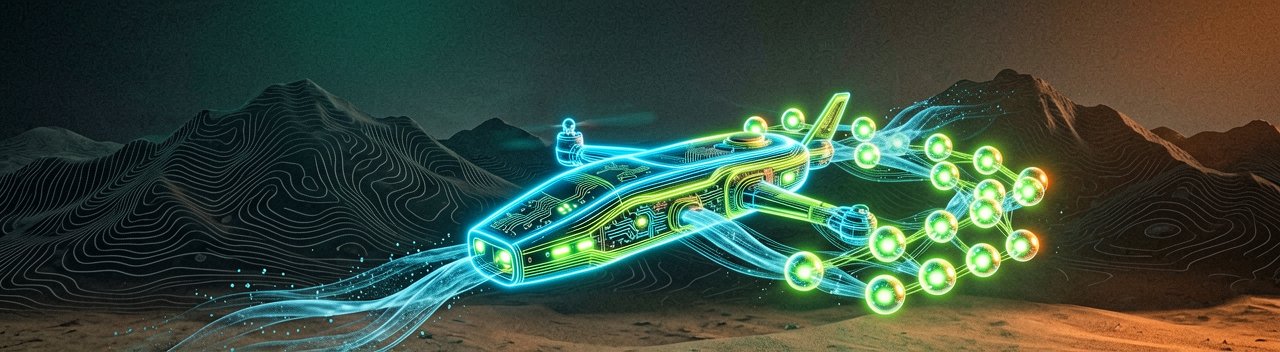
Defense innovation is no longer dominated only by global arms giants. Smaller local firms are beginning to compete in markets shaped by speed, adaptability, and lower-cost technology. The physical reality of this shift means soldiers will eventually interact with systems that detect IEDs on the ground, deploy interceptor UAVs against hostile drones, and process battlefield intelligence through software interfaces rather than relying solely on imported hardware that often sits idle due to maintenance issues.
Whether the Nigerian military can actually deploy these systems at scale remains the real question. Having the technology is one thing. Getting it into the hands of troops in the northeast where it's needed most is another entirely (and that's where most defense projects in the region tend to stall).
Corruption, mismanagement, and tribalism have historically plagued Nigerian defense procurement. The company's expansion into Ghana suggests confidence in regional demand, but the operational reality will determine whether this represents genuine capability building or another showcase project that looks good on TV screens but never reaches the battlefield.
Time will tell if Terra Industries can deliver. Whether users actually pay for it remains the real question.
Artūras Malašauskas is an AI Systems Integrator with 20+ years of production-grade web engineering experience. He has designed, shipped, and scaled enterprise Python/PHP systems for logistics, SaaS, and public-sector clients. For the past year, he has focused exclusively on AI integrations: deploying open-source LLMs, building generative media pipelines (image, audio, video), and engineering multi-agent workflows for real production environments. His standard: reproducibility, security, cost-efficient inference—no vaporware. He documents and evaluates emerging AI tooling, separating verified capabilities from marketing noise. Technical editor at: muza-ai.eu, ai-verslas.lt, ai-naujinos.lt Connect on LinkedIn
Comments