Bosch and ECOVACS Unveil Kitchen-Integrated Robot Vacuum
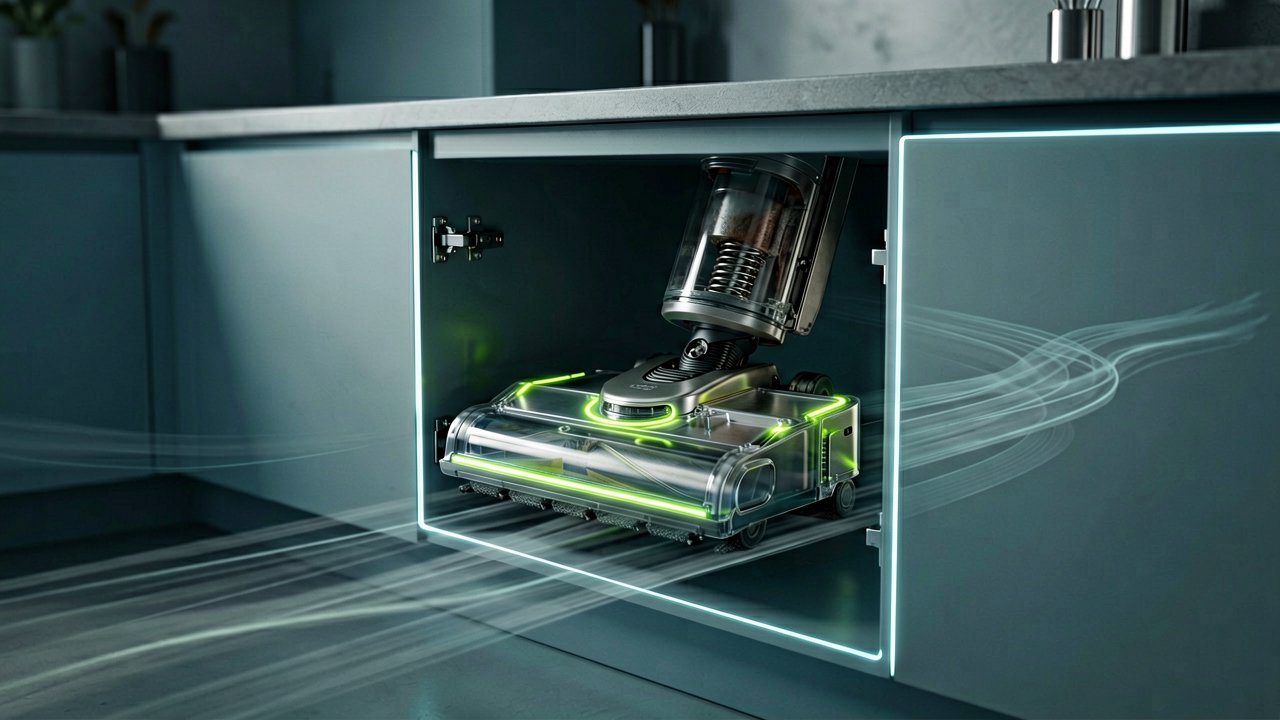
The appliance industry just got a new category. Bosch and ECOVACS have unveiled a robot vacuum and mop system designed to be fully integrated into kitchen cabinetry, eliminating the visible dock that typically clutters floors in most homes.
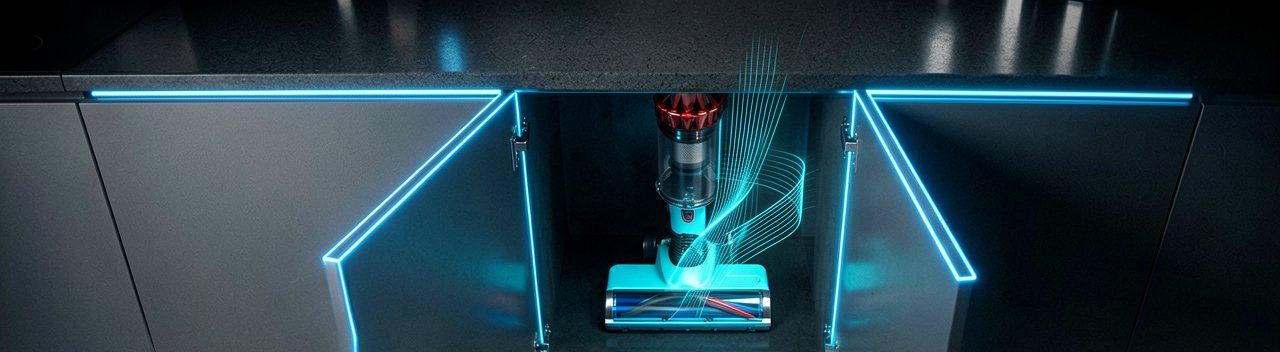
This isn't just a robot that hides in a cupboard. The entire service station lives within a standard sink base cabinet, with the robot itself emerging through an automatic baseboard opening when cleaning cycles begin. When finished, it rolls back inside and the cabinet closes behind it. The whole sequence happens without any visible hardware cluttering your kitchen.
According to Notebookcheck's coverage, the system connects directly to home water and waste water lines. This means the water tanks never have to be filled or emptied manually. For maintenance, users only need to replace the 2-liter dust bag when full.
The docking station integrated into the kitchen cabinet automatically disinfects the two rotating mop pads with hot air at 75°C and then dries them with a 45°C air stream. Optionally, a cleaning solution can be used to better clean floors. This level of automation is what separates built-in infrastructure from portable hardware.
Yanko Design reported additional technical specifications from the Milan Design Week demonstration. The robot measures just 84 millimeters tall, which puts it low enough to slip under most furniture and even beneath baseboards that sit 10 centimeters or higher. That 20,000 Pa suction rating makes it the most powerful vacuum Bosch has shipped.
ECOVACS packed in their full navigation suite: Smart Vision camera, structured light sensors, and obstacle detection that lets it map rooms and dodge furniture. Two rotating mop pads handle wet cleaning, with one that extends outward for edge work. An extendable side brush tackles corners. When the robot detects carpet, it lifts those mop pads up to 9 millimeters to avoid soaking fibers. It can climb thresholds up to 20 millimeters high, handling the transitions between rooms without getting stuck.
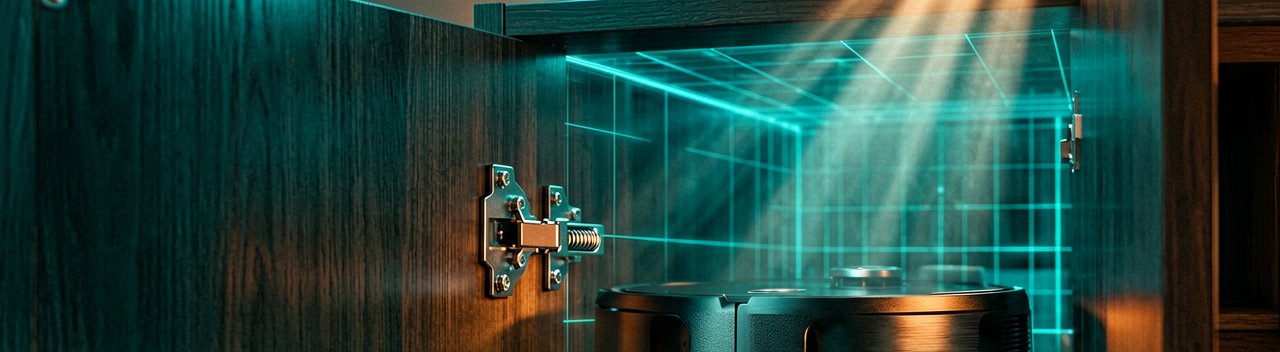
The installation lives entirely within a standard sink base cabinet, which sounds impossible until you see how they've packaged it. Two black modules mount to the cabinet's interior walls, housing the service station components. The left module handles dust collection with a 2-liter antibacterial bag and automatic detergent dispensing. The right module contains the water management system, with fresh water tanks that draw directly from your home's supply and waste water that drains straight into your plumbing.
Between them sits the docking platform where the robot charges and gets serviced. A pull-out tray extends from the service station, revealing the fresh water reservoir with its translucent smoky housing and the cleaning mechanisms that maintain the robot between runs. Everything connects to your kitchen's existing infrastructure, the same water, drain, and electrical lines that already serve your sink and dishwasher.
The control interface runs through Bosch's Home Connect app, which already manages their other connected appliances. You can view and edit the floor plan the robot creates, set no-go zones for areas you want it to avoid, schedule cleaning routines, or trigger manual cleanings. The app also lets you name your robot if you're into that sort of thing. All the data stays within EU servers under their data protection requirements, which should address privacy concerns for anyone wary of cloud-connected cleaning devices.
The system meets both Bosch and ECOVACS quality and safety standards, combining Bosch's appliance reliability with ECOVACS' robotics expertise. This represents the first time most people will get to see a fully integrated robot cleaning system in person, and it's the kind of thing you need to watch operate to fully understand.
Spring 2026 availability means anyone renovating a kitchen or building new has about a year to plan for installation, which requires coordination with your kitchen installer and access to the necessary plumbing and electrical connections during construction. Bosch has not yet confirmed any details on the price.
Whether this becomes a mainstream feature or remains a luxury add-on for custom kitchens depends entirely on that undisclosed price point. The technology works, but the economics of retrofitting existing kitchens versus new builds will determine actual adoption rates.
Artūras Malašauskas is an AI Systems Integrator with 20+ years of production-grade web engineering experience. He has designed, shipped, and scaled enterprise Python/PHP systems for logistics, SaaS, and public-sector clients. For the past year, he has focused exclusively on AI integrations: deploying open-source LLMs, building generative media pipelines (image, audio, video), and engineering multi-agent workflows for real production environments. His standard: reproducibility, security, cost-efficient inference—no vaporware. He documents and evaluates emerging AI tooling, separating verified capabilities from marketing noise. Technical editor at: muza-ai.eu, ai-verslas.lt, ai-naujinos.lt Connect on LinkedIn
Comments