PumpBot Launches 6-DEX Solana Volume Bot on Telegram
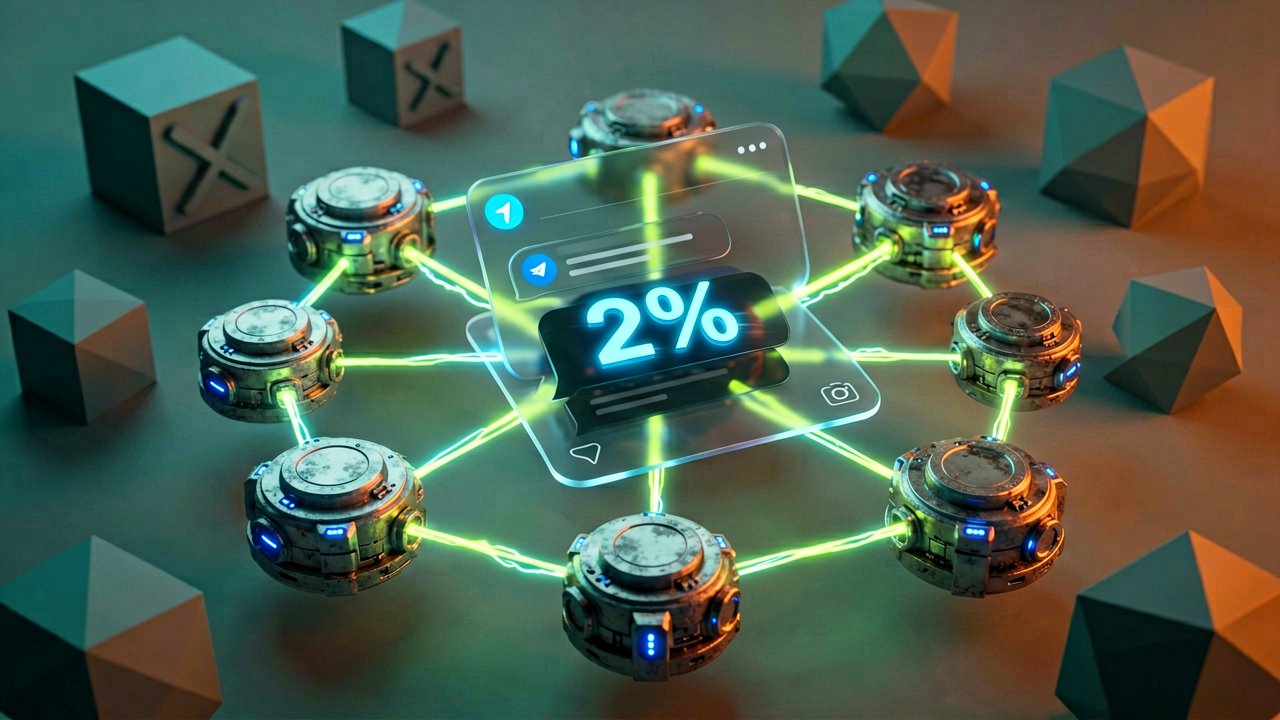
The Solana memecoin infrastructure space has a new entrant. PumpBot launched a multi-DEX volume automation platform on April 27, 2026, designed to operate across six major Solana surfaces from a single Telegram chat interface.
Most Solana volume bots in the previous cycle specialized in one thing: Pump.fun bonding curves. The moment a token graduated to Raydium or Orca, the automation stopped. Momentum evaporated in 90 seconds. PumpBot's core claim is that it follows the token through every stage of its lifecycle without dropping the session.
According to the official PumpBot website, the platform integrates with six distinct venues: DexScreener for pair tracking, Jupiter for DEX aggregation and routing, Orca Whirlpools for concentrated liquidity, Raydium for AMM execution, Bonk.fun for launchpad operations, and Pump.fun for bonding-curve launches.
The technical architecture addresses a specific failure mode. When a token hits its curve cap on Pump.fun and migrates to Raydium, most competing bots stop executing. PumpBot detects the migration block-by-block and re-routes trades automatically. There is no manual restart required. The session continues without downtime (which is the actual problem most users face).
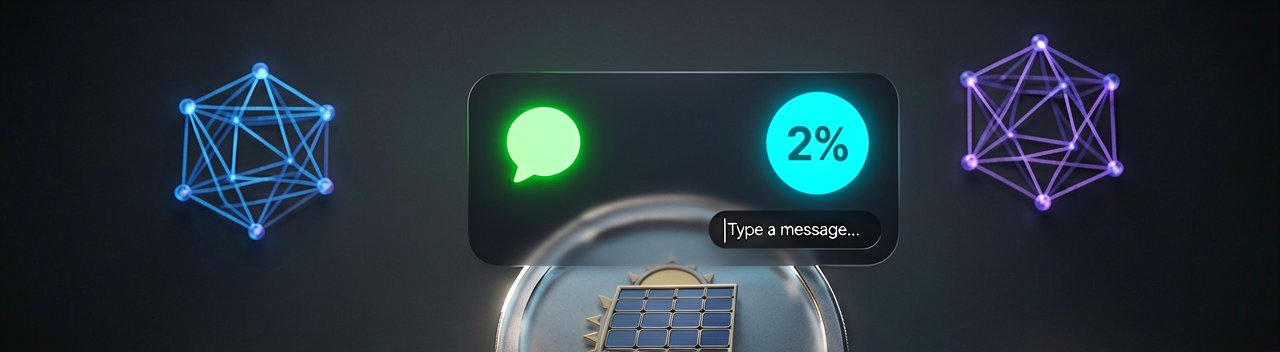
Control happens entirely inside Telegram at @BestVolumeBot_bot. There is no SaaS dashboard. Configuration, execution, monitoring, and analytics all stream into the chat. The workflow is: paste a Solana SPL contract address, send the 2% commission in SOL, select volume targets and persona settings, then send /start. Pause and resume controls are one tap away.
The pricing structure is a flat 2% commission on target volume. This single fee covers execution across all six DEXes. No per-venue surcharges. No priority fee top-ups. No MEV protection upsells. Network fees, Jito tips, wallet funding, auto-comments, and auto-favorites are all bundled into that percentage.
Infrastructure features include anti-detection layers with Poisson-distributed trade timing and per-transaction key rotation. The system uses Jito private relays with randomized bundle tips to protect against sandwich and front-running bots. Each session spawns 10,000+ ephemeral wallets that are encrypted at rest and discarded when the session ends.
The comment layer deploys a 10,000-entry multilingual database across 12 languages: English, Chinese, Korean, Japanese, Turkish, Spanish, Portuguese, French, German, Russian, Vietnamese, and Thai. These deploy natively on Pump.fun and Bonk.fun, the two venues with native chat UIs. Each wallet persona has distinct trade sizes, comment voices, and timing rhythms.

Wallet personas include whale, retail, dev, and skeptic archetypes. Each has its own trade size distribution and comment style. The system uses per-character timing noise to avoid instant paste signatures that detection bots can identify. Emoji patterns are weighted per persona—whales use 🚀, degens use 🔥, skeptics use 🤔.
Press coverage from openPR corroborates the launch timeline and feature set. The announcement emphasizes the cross-DEX migration auto-handoff as the primary differentiator from single-venue competitors.
Physical interaction is minimal. Users paste a contract address into Telegram. They send SOL to a deposit wallet. They select curve presets (Gradual, Burst, Stealth, Whale Pump). They set language mix, persona mix, comment density, and favorite density. They hit start. The bot auto-detects whether the token lives on Pump.fun, Bonk.fun, Raydium, Orca, or a Jupiter route.
Live stats stream into the Telegram chat every five seconds: wallets deployed, trades executed, comments posted, favorites triggered, holder count, trending rank. The interface is text-based. No graphs. No dashboards. Just numbers scrolling in a chat window.
The anti-MEV routing works across every supported DEX. Private mempool routing shields trades from sandwich and frontrunning bots. Per-transaction slippage is tuned from live pool depth. Whirlpool tick-aware execution on Orca prevents failed swaps. The system adapts lamport priority in real time against network load.
Volume patterns are shape-aware and timed against DexScreener's refresh cycles to trigger the trending spotlight. Short, high-intensity volume spikes sync to the minute edge—the exact window trending algorithms sample. The bot can sprinkle 0.02 SOL micro-buys between occasional whale 2+ SOL swings.
Whether this actually works for token creators remains the real question. The infrastructure is comprehensive, but the memecoin market is notoriously volatile. A bot can generate volume, but it cannot guarantee organic adoption. The 2% commission is flat, but that still represents significant capital for smaller launches.
Token operators should verify the wallet footprint against scanners like Photon, Trojan, and Bubblemaps. The claim is that the fleet reads as organic distribution rather than a coordinated cluster. Only on-chain analysis will confirm that assertion.
For now, PumpBot represents a consolidation of Solana volume automation into a single interface. The six-DEX coverage is the headline feature. The Telegram-only control is the operational choice. The flat pricing is the business model. Whether users actually pay for it—and whether the volume translates to real holder growth—remains to be seen.
Artūras Malašauskas is an AI Systems Integrator with 20+ years of production-grade web engineering experience. He has designed, shipped, and scaled enterprise Python/PHP systems for logistics, SaaS, and public-sector clients. For the past year, he has focused exclusively on AI integrations: deploying open-source LLMs, building generative media pipelines (image, audio, video), and engineering multi-agent workflows for real production environments. His standard: reproducibility, security, cost-efficient inference—no vaporware. He documents and evaluates emerging AI tooling, separating verified capabilities from marketing noise. Technical editor at: muza-ai.eu, ai-verslas.lt, ai-naujinos.lt Connect on LinkedIn
Comments