DARPA Launches Deep Thoughts Program for Autonomous Undersea Drones
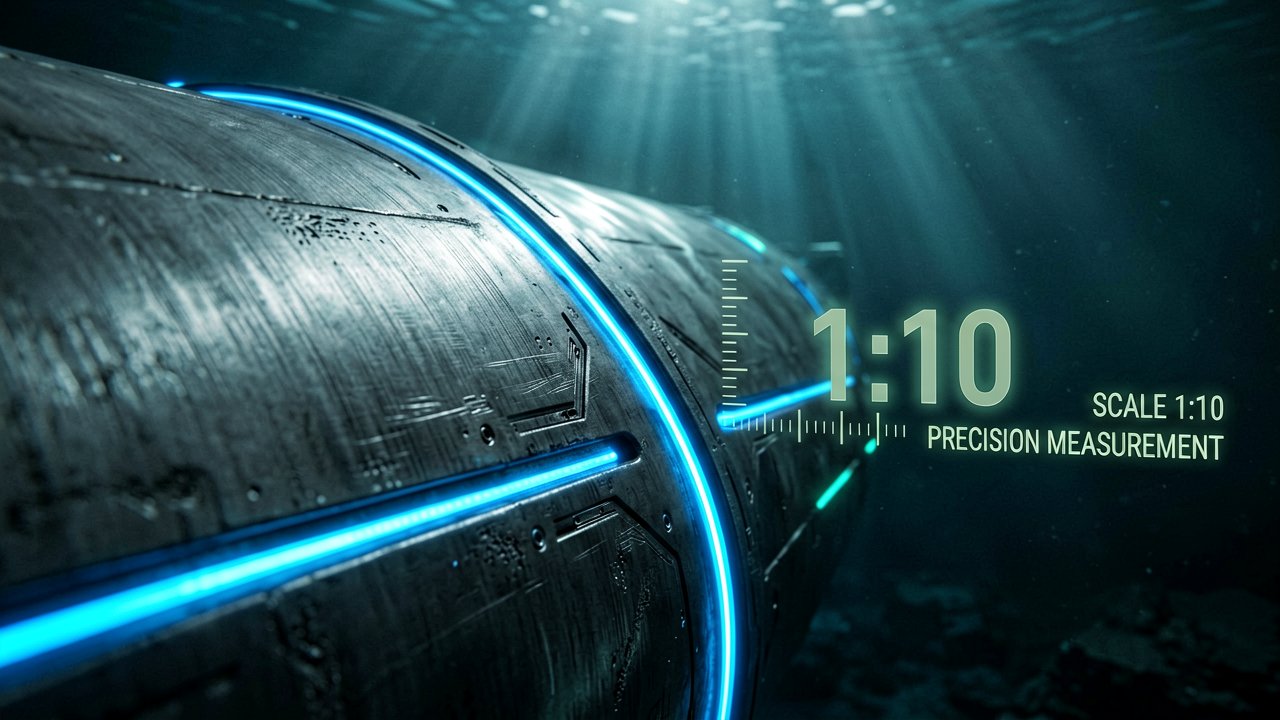
The Defense Advanced Research Projects Agency issued a formal solicitation on Thursday, April 23, 2026, for its Deep Thoughts program to develop compact autonomous undersea vehicles. The initiative seeks high-pressure craft that are smaller and more affordable than existing systems capable of reaching the seafloor. According to the official DARPA program page, the agency aims to overhaul the autonomous undersea vehicle paradigm by utilizing advanced materials and manufacturing to shrink development timelines from years to just weeks.
Traditional deep-ocean exploration has to contend with intense water pressure, which makes successful seafloor-capable craft difficult, slow, and expensive to build. Those sticking points are what DARPA hopes to address. The program will leverage advancements in materials, manufacturing, and next-generation structural and mechanical design technologies to dramatically reduce the size, cost, and development time of deep-ocean systems.
Further, DARPA explained that it wants AUVs that do not require architecturally constraining components, can deploy from a wide range of host platforms, and can be designed, produced, tested, and integrated in months or even weeks instead of the years such a process typically takes. Think of it like trying to parallel park a freight train—except the freight train needs to withstand crushing ocean pressure.
In order to accomplish that, DARPA is seeking ideas that promote the use of novel materials, alloys, and structural geometries, which likely won't include the use of carbon fiber hulls. The Pentagon's research arm also wants a multi-level secure digital engineering environment that supports CI/CD/CP workflows, protects intellectual property, and works across multiple classification levels during development. This means engineers will actually be able to iterate on designs without waiting six months for a classified document review (a problem that has plagued users for years, frankly).
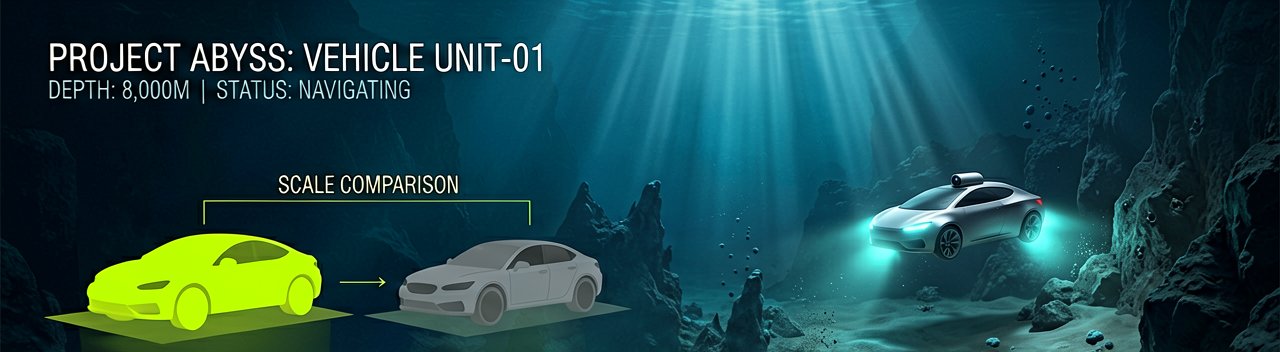
As for whether the government is seeking these drones for defense or research purposes, DARPA makes its intent fairly plain on the project page, noting that Deep Thoughts AUVs would provide responsive and scalable access to the deep ocean that offers a significant strategic advantage. In other words, this is not being pitched as ocean science alone, but as another strategic autonomous systems program.
Industry abstracts for the Deep Thoughts program are due by May 21, 2026. DARPA anticipates multiple awards in the form of other transaction agreements for prototypes to accelerate the delivery of these maritime drones. The two-year project is scheduled to begin in November 2026 with an emphasis on iterative design-build-test-learn cycles. The program intends to bypass traditional defense contractor delays associated with multi-billion dollar projects like the F-35 fighter or aircraft carriers.
Independent reporting from The Register corroborates the timeline and scope of the changes. The outlet notes that the Pentagon has been spending millions on counter-drone systems to protect US forces and recently said the online marketplace it launched in February for anti-drone gear had logged $13 million in purchases by federal agencies and military branches within its first few months.
The Defense Department has also confirmed that it fielded a domestically built system modeled on Iran's Shahed-136 one-way attack drone. The so-called Low-cost Unmanned Combat Attack System (LUCAS), reportedly used in operations involving Iran, is said to cost about $35,000 per unit—far below the price of conventional long-range strike weapons, and another sign of how cheap expendable autonomous systems are reshaping military procurement.

Former CIA Director David Petraeus expressed concern in an op-ed for The Hill regarding the massive $54 billion budget request for the Defense Autonomous Warfare Group. He noted that without proper doctrine, such a massive investment in autonomous systems could be a significant error. Less than two percent of the new investment in autonomous warfare is being directed toward doctrine and integration, Petraeus said.
The former director warned that current organizational structures are not yet prepared for the shifts in warfare seen in modern conflicts. He indicated that the U.S. must change how it organizes for autonomous capabilities. There are few signs of the kind of organizational changes required for the new way of war seen in Ukraine, much less that which will be required for truly autonomous capabilities, Petraeus said.
At a time when the United States' rivals are rapidly iterating on cheap drones, the Pentagon needs a program that can quickly adapt to changing technologies and take advantage of the latest systems without costing millions of dollars per unit. This is why both the U.S. and its Gulf allies have been purchasing 3D-printed interceptor drones that only cost $1,000 apiece, instead of deploying $4,000,000 Patriot missiles to take down a single Shahed drone that only costs $20,000 to $50,000 per unit.
Whether users actually pay for it remains the real question. The program's success will depend on whether the novel materials and manufacturing techniques can actually deliver on the promise of weeks-long development cycles rather than years. DARPA's track record with rapid prototyping is mixed, and the deep-ocean environment remains unforgiving to experimental designs.
Artūras Malašauskas is an AI Systems Integrator with 20+ years of production-grade web engineering experience. He has designed, shipped, and scaled enterprise Python/PHP systems for logistics, SaaS, and public-sector clients. For the past year, he has focused exclusively on AI integrations: deploying open-source LLMs, building generative media pipelines (image, audio, video), and engineering multi-agent workflows for real production environments. His standard: reproducibility, security, cost-efficient inference—no vaporware. He documents and evaluates emerging AI tooling, separating verified capabilities from marketing noise. Technical editor at: muza-ai.eu, ai-verslas.lt, ai-naujinos.lt Connect on LinkedIn
Comments