Natural Expressions Performance 7 Brings Wireless Robotic Mowing to Europe

The robotic lawn care market just got a significant shakeup. Natural Expressions announced the European release of its Performance 7 on April 25, 2026, positioning the device as a wire-free alternative to traditional boundary-dependent mowers.
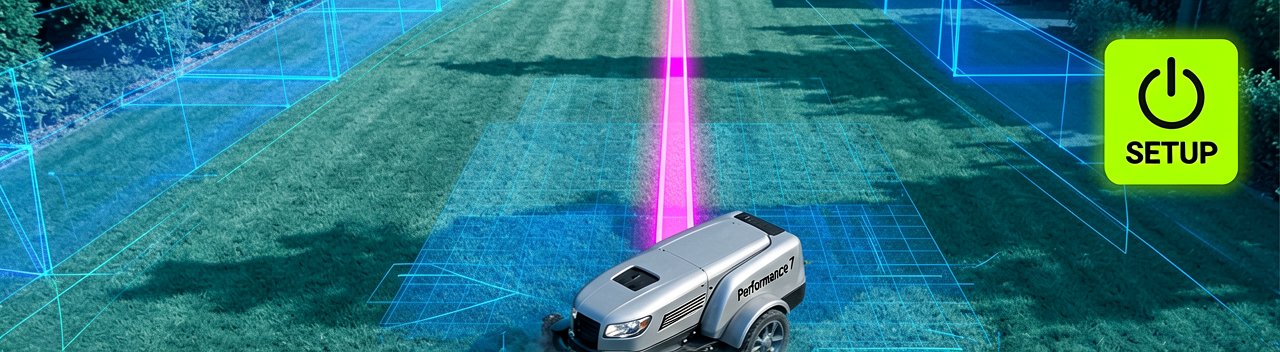
This isn't just another incremental update to an existing product line. The Performance 7 represents a fundamental shift in how robotic mowers navigate outdoor spaces. Instead of relying on buried perimeter wires or external RTK stations, the unit uses Real-time V-SLAM and 3D mapping technology to understand garden layouts autonomously.
According to the official press release, the company is marketing this as a "drop-and-mow" experience requiring zero manual intervention beyond initial placement. That's a bold claim in a category where setup frustration has been the norm for years.
Here's what actually matters for potential buyers. The Performance 7 features a Triple-Camera AI Vision system designed to identify obstacles in real-time. Whether it's a garden hose, a pet, or a forgotten toy, the mower's spatial intelligence should theoretically allow it to navigate around these objects without human intervention. The physical reality of this means less time spent manually moving obstacles before the mower runs.
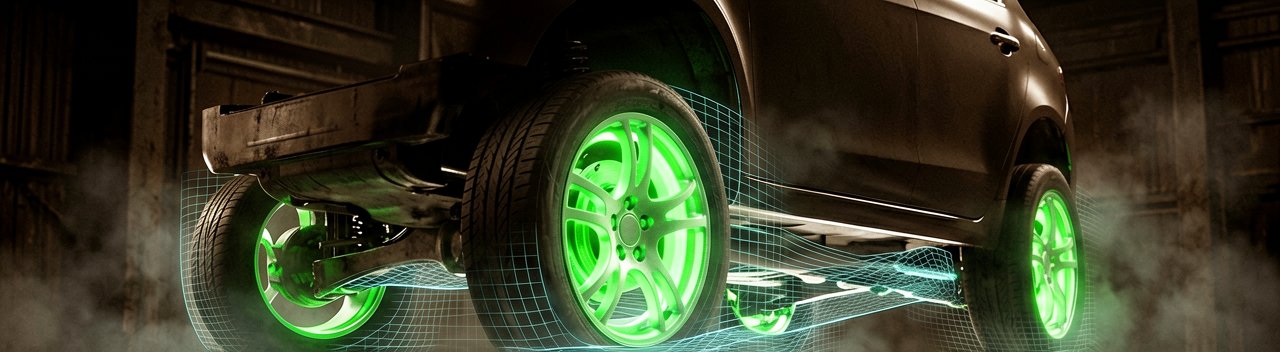
Signal resilience is another critical differentiator. Traditional GPS-dependent mowers struggle in dense shade or near high walls where satellite signals drop out. The V-SLAM technology eliminates this dependency, allowing the Performance 7 to navigate these signal dead zones consistently. For homeowners with mature trees or complex garden geometries, this could mean the difference between a fully manicured lawn and one with unmowed patches.
The technical specifications warrant closer examination. The unit handles slopes up to 32% (18 degrees), which covers most residential yards but may fall short for properties with significant elevation changes. IPX6 waterproofing suggests the mower can withstand heavy rain and hose-down cleaning without damage. Noise levels are rated at 56dB(A)—comparable to a quiet conversation, which matters if you live in a densely populated area.
Zone management capabilities extend to 20 distinct areas through the companion app. Users can set no-go zones and track mowing progress in real-time. The app interface itself remains unverified in independent testing, but the feature set suggests granular control over mowing schedules and patterns.
Security features include GPS theft tracking with immediate app alerts. This addresses a genuine concern in the robotic mower category, where theft rates have been notably higher than other outdoor equipment. The physical device likely includes some form of immobilization or tracking hardware, though the exact implementation details aren't specified in available documentation.
Pricing positions the Performance 7 at 899€ during the launch period (April 25 through May 8), with a regular price of 1,199€. This places it in the mid-to-high range for robotic mowers, competing directly with established players like Husqvarna and Worx. The 2-year local warranty with authorized service centers provides some consumer protection, though the longevity of Natural Expressions' European support infrastructure remains unproven.
Independent reporting from WebDisclosure corroborates the core specifications and launch timeline. The coverage confirms the April 25, 2026 announcement date and the wire-free positioning strategy.
The "5-minute setup" claim requires skepticism. While V-SLAM eliminates physical boundary installation, the initial mapping process likely takes longer than five minutes in practice. The mower needs to explore and learn the garden layout before it can mow autonomously. This is a crucial distinction between marketing language and actual user experience.
Precision edging is another feature worth noting. The AI-guided navigation supposedly allows the mower to cut flush against boundaries without requiring manual trimming afterward. This addresses one of the most common complaints about robotic mowers: the unsightly strip of unmowed grass along fences and flower beds.
The market timing is interesting. April 2026 aligns with the start of European mowing season, suggesting Natural Expressions is targeting immediate adoption rather than building anticipation. The limited-time launch pricing creates urgency, though the discount expires in roughly two weeks from the announcement date.
What's missing from the available information is independent performance data. No third-party testing has verified the V-SLAM accuracy, battery life, or cutting quality. The company's claims about "human-like intuition" and "flawlessly manicured lawns" remain marketing assertions until real-world reviews emerge.
For developers and industry observers, the Performance 7 signals a broader trend toward vision-based navigation in outdoor robotics. The elimination of perimeter wires reduces installation friction significantly, potentially expanding the total addressable market to homeowners who previously found robotic mowers too complex to set up.
The physical interaction with this device will likely feel different from traditional robotic mowers. There's no wire to bury, no charging station to position precisely, and no boundary markers to install. You simply place it on the lawn and let it work. That simplicity is the product's primary value proposition.
Whether the technology delivers on its promises remains to be seen. The European launch provides a controlled market for initial feedback before potential expansion to other regions. Early adopters will essentially be beta testers for the vision-based navigation system in real-world conditions.
The 899€ price point includes the launch discount, which expires May 8. After that, the 1,199€ regular price may test whether consumers value wire-free convenience enough to pay a premium over established competitors. The 2-year warranty provides some reassurance, but long-term reliability data doesn't exist yet.
Whether users actually pay for it remains the real question.
Artūras Malašauskas is an AI Systems Integrator with 20+ years of production-grade web engineering experience. He has designed, shipped, and scaled enterprise Python/PHP systems for logistics, SaaS, and public-sector clients. For the past year, he has focused exclusively on AI integrations: deploying open-source LLMs, building generative media pipelines (image, audio, video), and engineering multi-agent workflows for real production environments. His standard: reproducibility, security, cost-efficient inference—no vaporware. He documents and evaluates emerging AI tooling, separating verified capabilities from marketing noise. Technical editor at: muza-ai.eu, ai-verslas.lt, ai-naujinos.lt Connect on LinkedIn
Comments