Star Robotics Launches Watchbot 2 Security Robot with Enhanced Autonomy
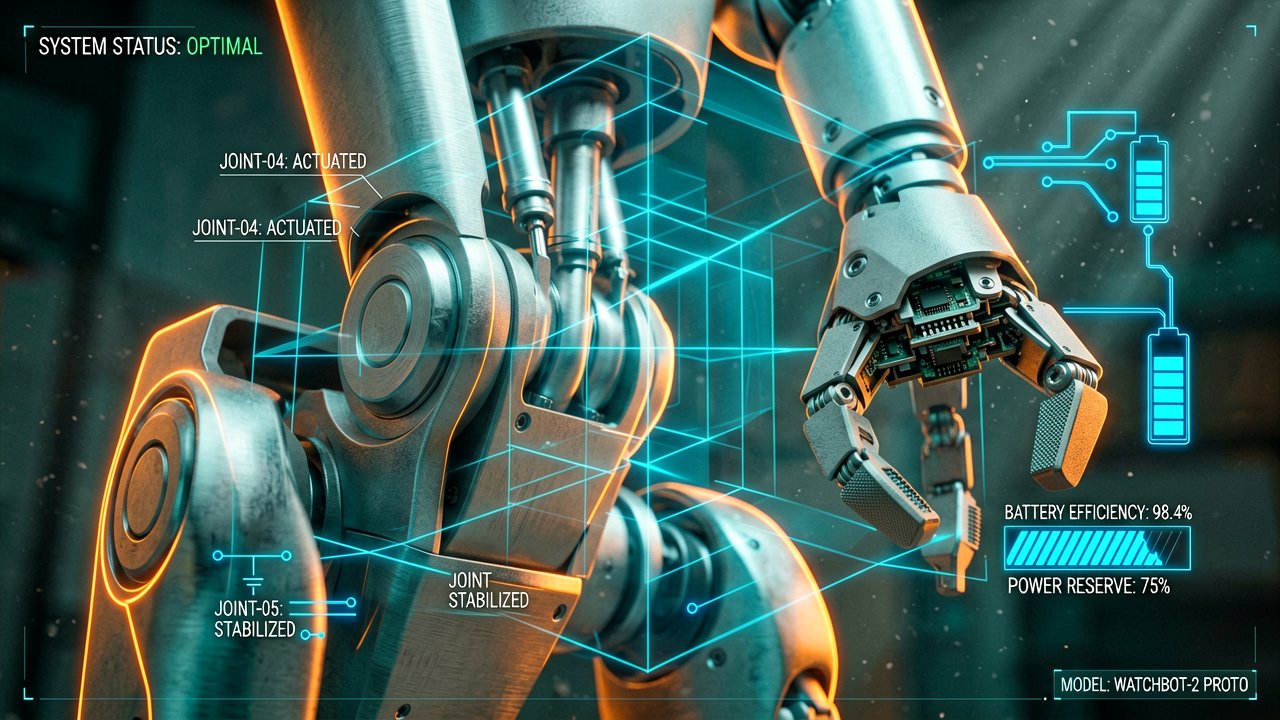
Star Robotics has officially launched Watchbot 2, the latest iteration of its autonomous security and inspection platform. The announcement came during a livestreamed event on April 16, 2026, positioning the new system as a direct response to operational challenges encountered in real-world deployments over the past decade.
The company is marking its 10th anniversary this year, and Watchbot 2 reflects lessons learned from extensive field operations. According to Robotics & Automation News, the robot is designed for environments ranging from data centers to power facilities and public spaces.
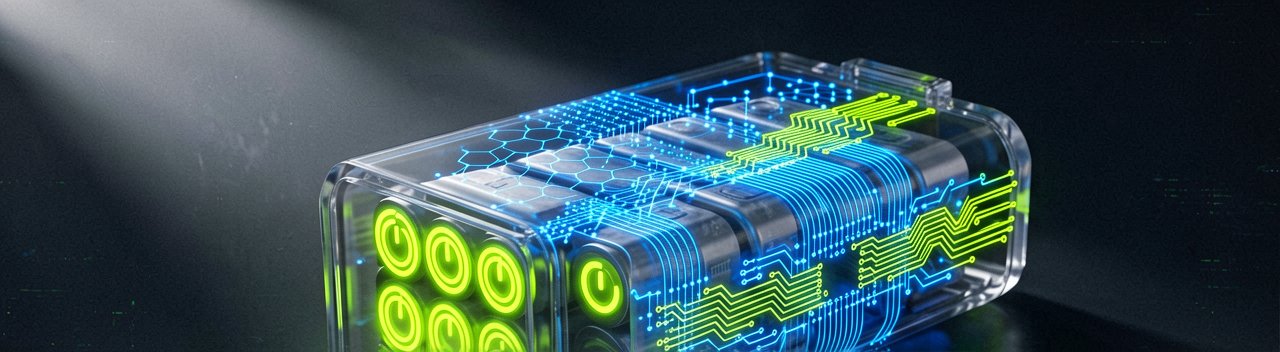
Runtime has become a critical specification. Watchbot 2 can now operate for up to 16 hours per day, supported by a redesigned battery system that Star Robotics claims doubles capacity compared to the earlier model. That's enough to cover a full shift without interruption (which matters when you're paying for 24/7 coverage).
Physical durability has also been addressed. The unit withstands heavy rain, dust, and temperature extremes from -25°C to +50°C. This isn't just marketing copy—industrial facilities often experience rapid temperature swings, and security robots need to function when humans can't or won't be on-site.
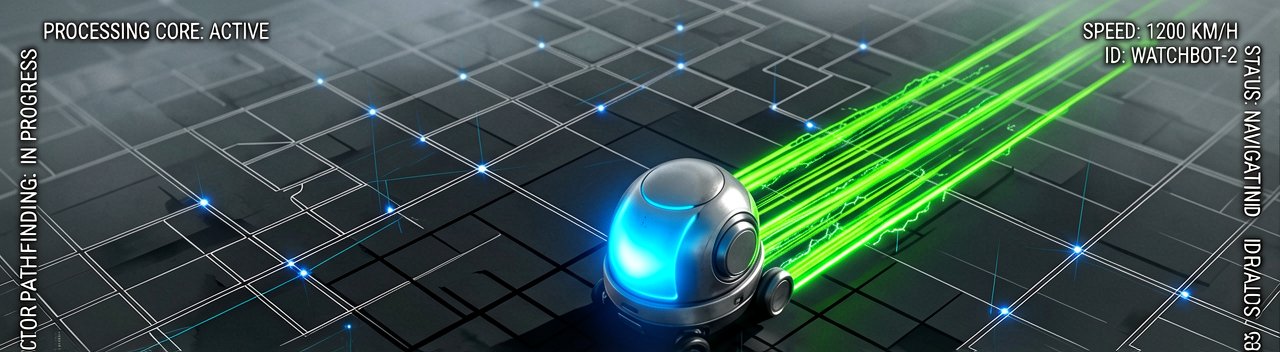
Sensing and communication systems received significant upgrades. Watchbot 2 features improved low-light performance through enhanced lighting and a new 360-degree camera module. Updated audio hardware is designed to deliver clearer communication in noisy environments, which is essential when the robot needs to broadcast warnings or interact with personnel.
Maintenance has been simplified through a modular design. Key components such as motors and batteries can be replaced more easily, reducing downtime. For facility managers, this means less waiting for specialized technicians and faster return to operational status.
The core innovation lies in what Star Robotics calls "Watchbot Intelligence," a redesigned navigation and perception system. The company says the robot now has six times more computing capacity than its predecessor, enabling more advanced real-time processing. This isn't just about raw power—it's about handling complex decision-making without constant human oversight.
GPS-based positioning has been introduced for outdoor use, alongside improved sensor coverage that removes previous blind spots. The system enhances detection of obstacles and hazards such as drops, stairs, and uneven terrain. The robot generates what the company describes as "multimodal" maps of its surroundings, allowing it to better interpret and navigate complex environments.
On the official Watchbot product page, Star Robotics lists additional capabilities including intruder detection, temperature monitoring, anomaly detection, and gas detection. The platform supports 3D facility mapping and integrates with the AUROS cloud platform for remote fleet management.
Eight onboard cameras provide 360-degree observation. The robot can handle slopes up to 36 degrees and traverse gaps up to 30 centimeters. Mobility features include operation on sand dunes, steps, dense vegetation, and snow. These specifications suggest the robot is built for genuinely challenging terrain, not just polished warehouse floors.
Star Robotics expanded its partner network across five countries in 2025, deploying Watchbot systems in industrial and commercial sites. The company emphasizes that Watchbot 2 is designed to support continuous monitoring operations where reliability and autonomy are critical.
The technology operates with minimal human intervention. Clients can remotely manage complete robot fleets while simultaneously controlling user access through customizable permission levels. The dashboard allows monitoring and teleoperation in real time from anywhere in the world, route creation and scheduling, alert viewing, and patrol history review.
What this means for the security industry is straightforward. Autonomous robots can provide consistent, high-fidelity data without the overhead of traditional patrol methods. They don't get tired, they don't skip corners, and they don't have bad days. But they also don't have the judgment of a trained security officer in ambiguous situations.
Whether facilities actually deploy these at scale depends on cost-benefit analysis. The hardware investment is significant, and integration with existing security infrastructure requires technical expertise. Some operators may prefer subscription models over capital expenditure, though Star Robotics appears to focus on direct sales.
The real test will be long-term reliability in uncontrolled environments. Dust accumulation, sensor degradation, and software bugs all compound over time. A robot that works perfectly in a demo video may struggle after six months of daily operation in a dusty industrial yard.
Star Robotics has positioned Watchbot 2 as a mature product built on a decade of deployments. That experience matters—early autonomous security robots often failed because they couldn't handle the messiness of real facilities. The question isn't whether the technology works in controlled conditions. It's whether it survives the chaos of actual operations.
Whether users actually pay for it remains the real question.
Artūras Malašauskas is an AI Systems Integrator with 20+ years of production-grade web engineering experience. He has designed, shipped, and scaled enterprise Python/PHP systems for logistics, SaaS, and public-sector clients. For the past year, he has focused exclusively on AI integrations: deploying open-source LLMs, building generative media pipelines (image, audio, video), and engineering multi-agent workflows for real production environments. His standard: reproducibility, security, cost-efficient inference—no vaporware. He documents and evaluates emerging AI tooling, separating verified capabilities from marketing noise. Technical editor at: muza-ai.eu, ai-verslas.lt, ai-naujinos.lt Connect on LinkedIn
Comments