Samsung Stakes Its Claim on the Future with a Fall 2026 Smart Glasses Launch
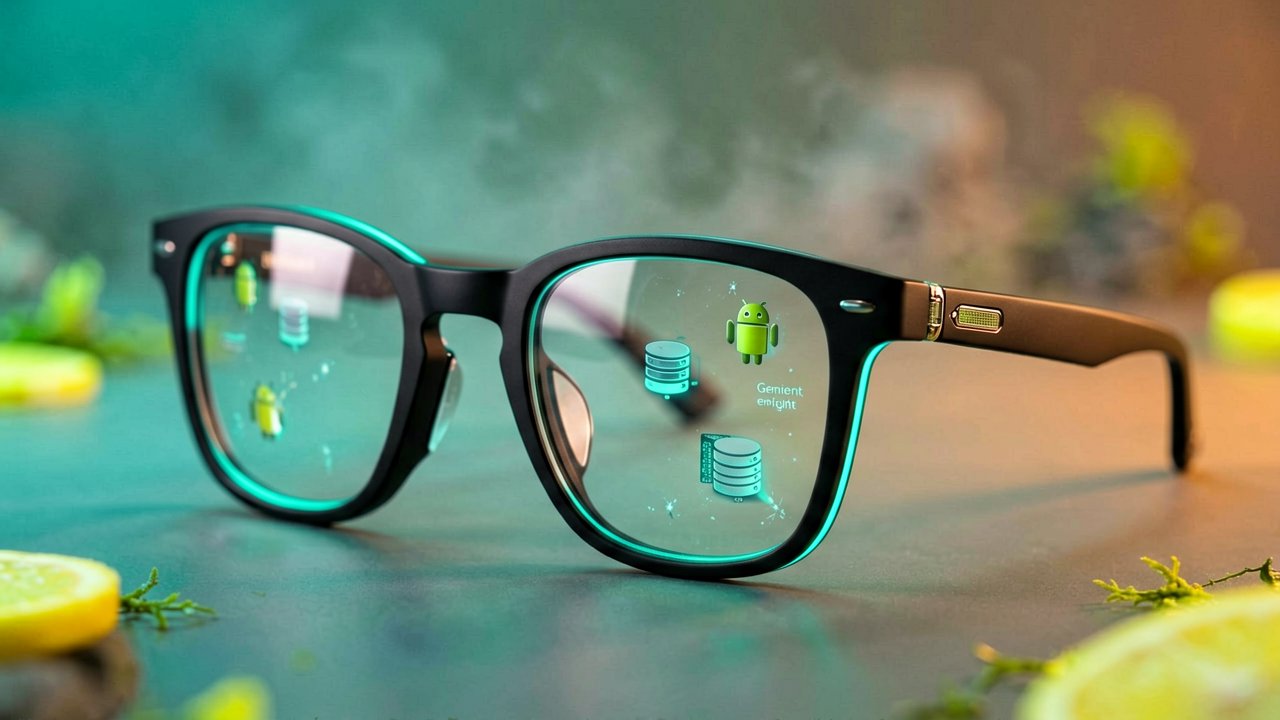
The tech industry's worst-kept secret is officially out. At its latest Galaxy Unpacked event, Samsung finalized preparations and locked in a fall 2026 market launch for its highly anticipated AI smart glasses. Rather than dropping another bulky, isolated mixed-reality headset, the South Korean tech giant is channeling its engineering muscle into a sleek, everyday eyewear form factor designed to integrate advanced artificial intelligence directly into your daily routine. It's a calculated move that sets the stage for a massive hardware showdown just as the wearable market hits a critical inflection point.
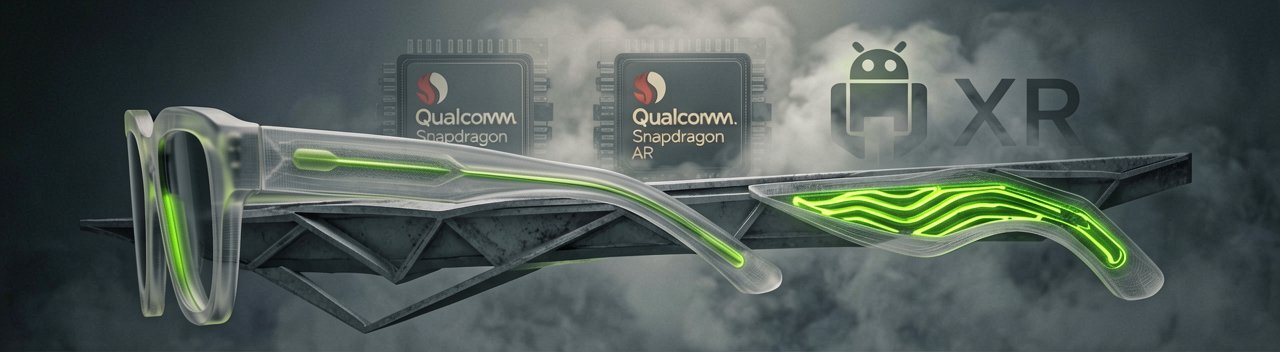
Samsung isn't flying solo on this ambitious venture. To ensure the hardware looks like premium fashion rather than a science project, the company partnered with eyewear designers Warby Parker and Gentle Monster. Under the hood, the device runs on Google’s Android XR platform and is powered by Qualcomm's silicon architecture, creating a formidable ecosystem alliance meant to counter Meta’s current dominance in the space. Jay Kim, executive vice president of Samsung's mobile business, confirmed in a briefing reported by CNBC that the connected wearable will leverage a built-in camera, microphone, and smartphone tethering to deliver rich, multimodal AI experiences on the go.
The Ecosystem War for Your Face
By targeting a fall 2026 release, Samsung is aiming straight for the lucrative holiday shopping window while maximizing its development runway. Early specification leaks via Android Authority suggest the glasses are built to be lightweight, yet robust enough to manage a reported nine-hour battery life. This timeline gives developers a critical multi-month window to optimize applications for the new Android XR software layer, avoiding the content-drought pitfall that frequently plagues new hardware categories.
The stakes couldn't be higher for Samsung’s first foray into intelligent eyewear. Meta currently enjoys a massive head start with its Ray-Ban collaboration, but Samsung's open-ecosystem strategy with Google gives it an immediate scale advantage across the broader Android landscape. While Apple is rumored to be focusing its sights further down the road, Samsung's aggressive push ensures it will be the primary alternative for anyone wanting high-end AI capabilities without being locked into a single proprietary walled garden.
What Most Reports Miss: The High-Stakes Battle Over Android XR
Samsung’s aggressive timeline isn't just about beating Apple to the punch; it is a desperate bid to rescue Google’s fragmentation nightmare. For years, Meta has enjoyed an uncontested playground with its Ray-Ban smart glasses, building an ecosystem using an open-source version of Android that skips Google's core services entirely. By locking in a fall 2026 launch window, Samsung is acting as the primary vehicle for Google’s brand-new Android XR platform. This isn't just a product launch; it is a coordinated defensive maneuver by the Mountain View-Seoul alliance to prevent Meta from controlling the next computing paradigm.
Industry insiders suggest that the hardware architecture itself is causing friction behind closed doors. Silicon valley rumors point to Qualcomm pushing the limits of its Snapdragon AR processors to balance thermal efficiency with pure processing power. The challenge lies in the tethering architecture. While early reports claimed the glasses would rely entirely on a Galaxy smartphone for heavy lifting, leaks from supply chain auditors indicate that Samsung is attempting to build a hybrid cloud-processing model. This shift would allow the eyewear to perform basic object recognition locally while offloading complex generative AI tasks to Google's Gemini servers, minimizing battery drain without sacrificing speed.
The eyewear design partnerships also signal a massive shift in how tech conglomerates approach wearable hardware. Samsung’s collaboration with Gentle Monster and Warby Parker reveals a hard-learned lesson from the Google Glass disaster of a decade ago: consumers refuse to wear tech that looks like tech. By prioritizing fashion first, Samsung is conceding that style beats specifications in the mainstream market. If the glasses don't look natural on a subway commute or in a boardroom, the advanced multimodal AI capabilities won't matter because nobody will buy them.
From a developer perspective, the next eighteen months are absolutely critical. Samsung and Google are reportedly offering massive financial incentives to top-tier app developers to ensure a robust ecosystem at launch. The goal is to avoid the ghost-town launch that crippled early virtual reality headsets. By focusing heavily on utility features like real-time translation, context-aware navigation, and hands-free productivity tools, the coalition wants to position these smart glasses as an indispensable daily tool rather than an expensive, novelty toy for tech enthusiasts.
Reading Between the Lines: The Mirage of Ubiquitous AI Eyewear
The tech industry's collective pivot toward smart glasses rests on a highly questionable assumption: that consumers actually want to view the world through a permanent digital filter. While Samsung’s promotional material paints a utopian picture of seamless, context-aware AI overlays, the reality of current hardware limitations suggests a far more compromised experience. There is a glaring contradiction between the promise of "all-day wearability" and the physics of modern lithium-ion batteries. A lightweight frame cannot house both a high-capacity cell and the thermal management required to prevent the device from heating up against a user's temple during extended AI processing sessions.
Furthermore, Samsung's reliance on a hybrid cloud-processing model introduces a massive logistical bottleneck that tech journalists are largely ignoring. Real-time multimodal AI requires a constant, ultra-low-latency data connection. In a crowded subway station or a rural area with spotty 5G coverage, the smart glasses risk transforming into a very expensive pair of regular spectacles. This dependency means that despite the marketing hype of an independent wearable revolution, users will still be entirely tethered to their smartphones, reducing the glasses to little more than an ergonomic, face-mounted display for the handset tucked away in their pocket.
Privacy also remains the giant elephant in the room that no amount of sleek Gentle Monster styling can hide. The inclusion of a built-in camera designed for continuous environmental scanning will inevitably reignite the "Glasshole" backlash of the early 2010s. While Meta has managed to normalize front-facing cameras to some extent with its recording LEDs, Samsung's plan to use these cameras for active, algorithmic analysis of the user's surroundings pushes into much murkier ethical territory. Establishments ranging from casual cafes to high-security corporate offices will likely implement preemptive bans before the first pre-orders even ship.
Ultimately, the fall 2026 launch feels less like a response to genuine consumer demand and more like a panic-induced land grab. Samsung and Google simply cannot afford to let Meta run away with the spatial computing narrative, nor can they risk Apple suddenly dropping a polished alternative. By locking themselves into a rigid release window, the alliance risks launching a glorified beta product that relies on future software updates to fix fundamental day-one shortcomings. It is a high-stakes gamble that could just as easily sour the mainstream public on smart glasses for another decade as it could inaugurate a new era of computing.
"We are about to spend the next three years watching tech executives try to convince us that tapping our temples to read an email is a triumph of human evolution, right up until the moment we accidentally walk into a lamppost while trying to dismiss a spam notification."
Artūras Malašauskas is an AI Systems Integrator with 20+ years of production-grade web engineering experience. He has designed, shipped, and scaled enterprise Python/PHP systems for logistics, SaaS, and public-sector clients. For the past year, he has focused exclusively on AI integrations: deploying open-source LLMs, building generative media pipelines (image, audio, video), and engineering multi-agent workflows for real production environments. His standard: reproducibility, security, cost-efficient inference—no vaporware. He documents and evaluates emerging AI tooling, separating verified capabilities from marketing noise. Technical editor at: muza-ai.eu, ai-verslas.lt, ai-naujinos.lt Connect on LinkedIn
Comments