Beyond Standalone Machines: TechForce Robotics Drops a Neural Layer for Coordinated Factory and Facility Fleets
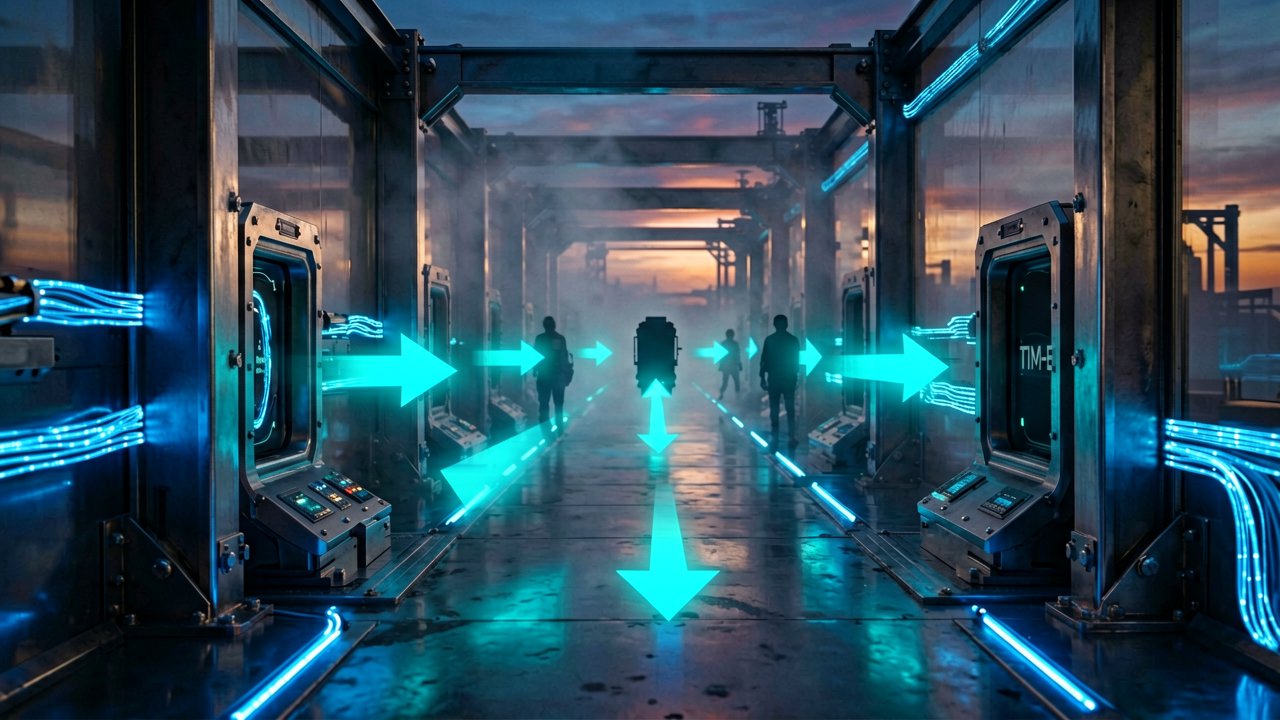
For years, the robotics sector has struggled with an unspoken truth: individual machines are brilliant at isolated tasks but remarkably bad at playing nice with others. On July 24, 2026, Nightfood Holdings, Inc., operating under its enterprise automation banner, TechForce Robotics, officially launched its solution to this silo problem by unveiling its proprietary Robotic Connective Network. The new infrastructure provides a dedicated machine-to-machine communication layer built specifically to synchronize multi-robot autonomous workflows without needing human handlers constantly pulling the strings.
According to the official launch announcement on , the ecosystem works by allowing real-time event triggers to roll naturally from one machine to another. Instead of relying on rigid, top-down software command chains, a smart sensor or an automated waste bin can flag its own capacity limit, instantly dispatching a TIM-E support robot via the network. If that robot spots a spill while en route, it communicates the hazard dynamically through the system, seamlessly queueing a compatible cleaning drone to deal with the mess before a human ever realizes there's an issue.
Flexible Infrastructure Meets AI Optimization
TechForce isn't trying to lock clients into a closed sandbox, either. The underlying architecture is being designed to support mixed hardware fleets from multiple manufacturers, treating the network as an open-ended coordination and intelligence layer. Depending on specific security thresholds, facilities can run the stack via local air-gapped systems or secure U.S.-based cloud servers. Furthermore, as detailed by the official documentation on GlobeNewswire, the platform naturally accommodates everything from simple camera feeds to cutting-edge multimodal large language models (MLLMs) and voice activation triggers.
The network is hitting the market through the company's established Robotics-as-a-Service Provider (RaaSP) framework, wrapping hardware, ongoing software deployments, onboarding, and mapping into a structured subscription package. By expanding its focus from hospitality into high-stakes sectors like pharmaceutical clean rooms and industrial manufacturing, TechForce is actively betting that the long-term value of automation lies not in building a smarter robot, but in building a cohesive, self-correcting workforce.
Deep Dive: The Architectural Shift Toward Inter-Machine Autonomy
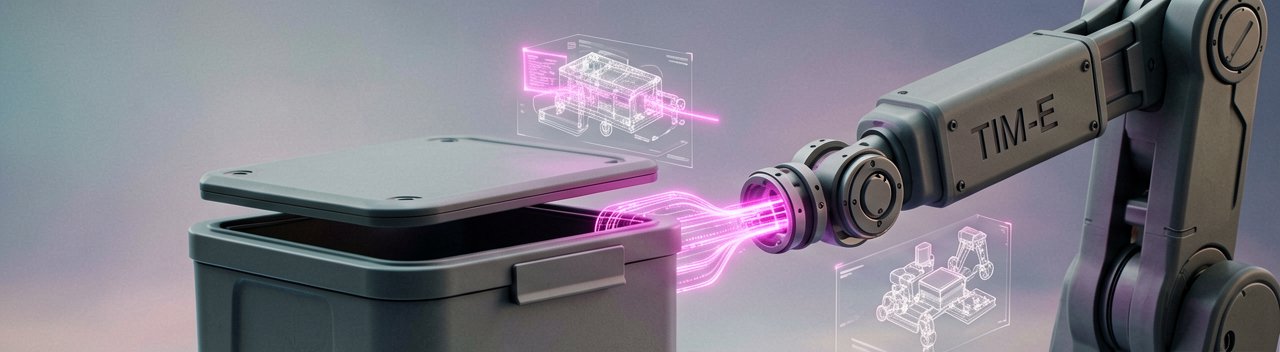
What Most Reports Miss: The real story here is not about a shiny new machine rolling off an assembly line, but rather the creation of a hidden neural layer designed to dismantle the digital silos plaguing modern automation. Traditionally, if an enterprise deployed a cleaning drone from one manufacturer and an inventory tracker from another, the two machines operated in complete isolation. They were functionally blind to each other's presence and needs, often requiring a human manager to sit at a central dashboard and manually bridge the communication gap. By introducing a vendor-agnostic connective layer, TechForce Robotics is attempting to solve this fragmentation problem, paving the way for multi-robot ecosystems that talk directly to one another on the shop floor.
This development marks a significant pivot for TechForce's parent company, Nightfood Holdings, Inc., which originally cut its teeth in hospitality automation. As noted in recent corporate filings documented by , the company's hospitality assets have evolved into live, real-world testing environments. Rather than viewing hotels and restaurants as the final destination, management uses them as functional sandboxes to perfect and validate its technology. Now, backed by manufacturing agreements with heavyweights like Foxconn, the company is scaling up production, moving aggressively past simple service bots and eyeing high-value commercial sectors like semiconductor fabrication, logistics hubs, and advanced manufacturing lines.
From an operational standpoint, the system relies on dynamic event triggers that create decentralized workflows. For instance, in an industrial space, a smart storage bin that detects it is full can autonomously signal a transport robot like TechForce's TIM-E model to retrieve it. If that transport unit encounters an obstacle or a hazard during its route, it broadcasts that data across the network, immediately triggering an alert for a cleaning bot or rerouting its mechanical peers. This chain reaction shifts the operational paradigm from basic automated tasks to an intelligent, self-correcting workforce that minimizes idle time and human intervention.
To ease the anxieties of enterprise IT departments, the infrastructure is heavily focused on data security and architectural flexibility. Organizations are not forced into a singular cloud ecosystem; instead, they can deploy the network through highly secure, air-gapped local setups or utilize secure U.S.-based cloud servers. According to technical specifications outlined on , the network is engineered to handle everything from standard camera telemetry to advanced processing like Vision Language Models (VLMs) and Multimodal Large Language Models (MLLMs). Crucially, to win over privacy-conscious enterprise clients, the company has explicitly stated that it does not sell facility maps or customer operational data to third parties.
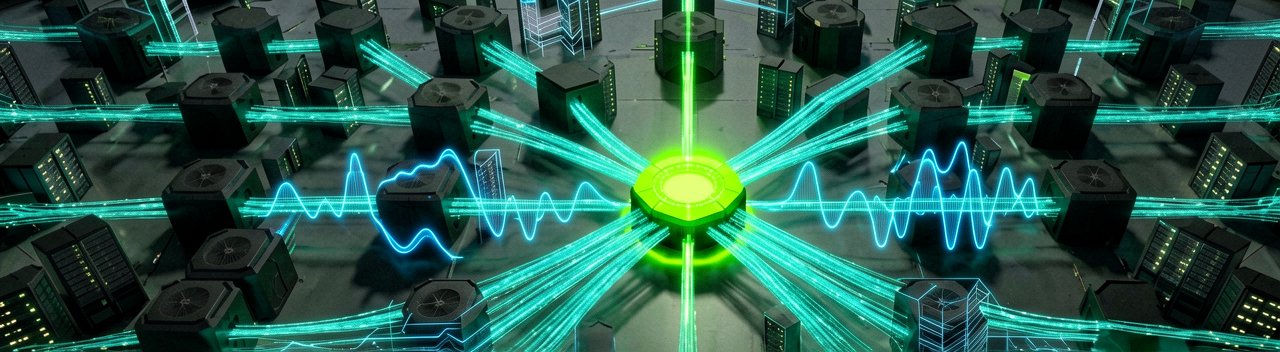
By delivering this entire framework via a specialized Robotics-as-a-Service Provider model, TechForce is actively aiming to lower the financial barriers to entry for complex automation. The subscription framework removes the staggering upfront capital expenditures typically associated with rolling out custom robotic networks, instead bundling hardware, ongoing software maintenance, initial mapping, and localized support into a predictable operating cost. Ultimately, the success of this rollout will depend on how effectively third-party manufacturers adopt the protocol, but the shift toward interconnected machine intelligence represents a clear blueprint for the next phase of industrial automation.
Reading Between the Lines: The Friction Point of Universal Orchestration
Reading Between the Lines: The tech industry loves a good interoperability narrative, but the reality on the factory floor is rarely as clean as a marketing deck implies. While TechForce Robotics is making a bold play by marketing its network as an open, vendor-agnostic layer, the history of industrial automation is a graveyard of "universal" standards that legacy manufacturers flatly ignored. Entrenched robotics giants who have spent decades locking enterprise clients into expensive, proprietary ecosystems have very little financial incentive to open their data pipelines to a third-party startup network. Achieving seamless machine-to-machine coordination across hardware from competing brands requires a level of industry-wide cooperation that has historically proven elusive.
There is also an undeniable strategic pivot occurring within Nightfood Holdings that warrants a dose of healthy skepticism. As indicated in corporate restructuring filings on GlobeNewswire, the company is attempting to transition from a consumer-facing hospitality focus to high-stakes, heavily regulated industrial environments. Operating a fleet of room-service bots in a boutique hotel is an entirely different engineering challenge than coordinating autonomous workflows in a pharmaceutical clean room or a high-throughput logistics hub. The tolerance for network latency or data dropped over a local Wi-Fi mesh drops to zero when an uncoordinated robot can stall an entire multimillion-dollar manufacturing line.
Furthermore, relying on a Robotics-as-a-Service model introduces a precarious dependency for enterprise clients. TechForce handles the hardware, software, mapping, and continuous over-the-air updates, which sounds like an asset-light dream for CFOs on paper. However, according to platform details discussed on Yahoo Finance, integrating advanced Multimodal Large Language Models and heavy telemetry data means these facilities are tethered to ongoing operational support. If a software patch introduces a bug or if a subscription tier undergoes a drastic pricing restructure, the client finds themselves locked into an external development cycle that directly controls their physical workflow efficiency.
Ultimately, TechForce's ambition is admirable, and the demand for autonomous, self-correcting machine fleets is undoubtedly real. If the company can successfully leverage its manufacturing partnership with Foxconn to force standard adoption, they may well establish a dominant position in the next phase of industrial architecture. But until major industrial players start actively opening their APIs to this new connective layer, the dream of a fully harmonious, multi-brand robotic workforce will remain a highly sophisticated blueprint waiting for a consensus that the industry has spent thirty years avoiding.
Getting fifty robots from five different manufacturers to seamlessly coordinate a spill cleanup without human intervention is an engineering triumph; convincing five competing automation executives to agree on the communication protocol to do it remains an act of god.
Artūras Malašauskas is an AI Systems Integrator with 20+ years of production-grade web engineering experience. He has designed, shipped, and scaled enterprise Python/PHP systems for logistics, SaaS, and public-sector clients. For the past year, he has focused exclusively on AI integrations: deploying open-source LLMs, building generative media pipelines (image, audio, video), and engineering multi-agent workflows for real production environments. His standard: reproducibility, security, cost-efficient inference—no vaporware. He documents and evaluates emerging AI tooling, separating verified capabilities from marketing noise. Technical editor at: muza-ai.eu, ai-verslas.lt, ai-naujinos.lt Connect on LinkedIn
Comments