UBTech’s UWorld U1 Wants to Move into Your Living Room—and Read Your Mind
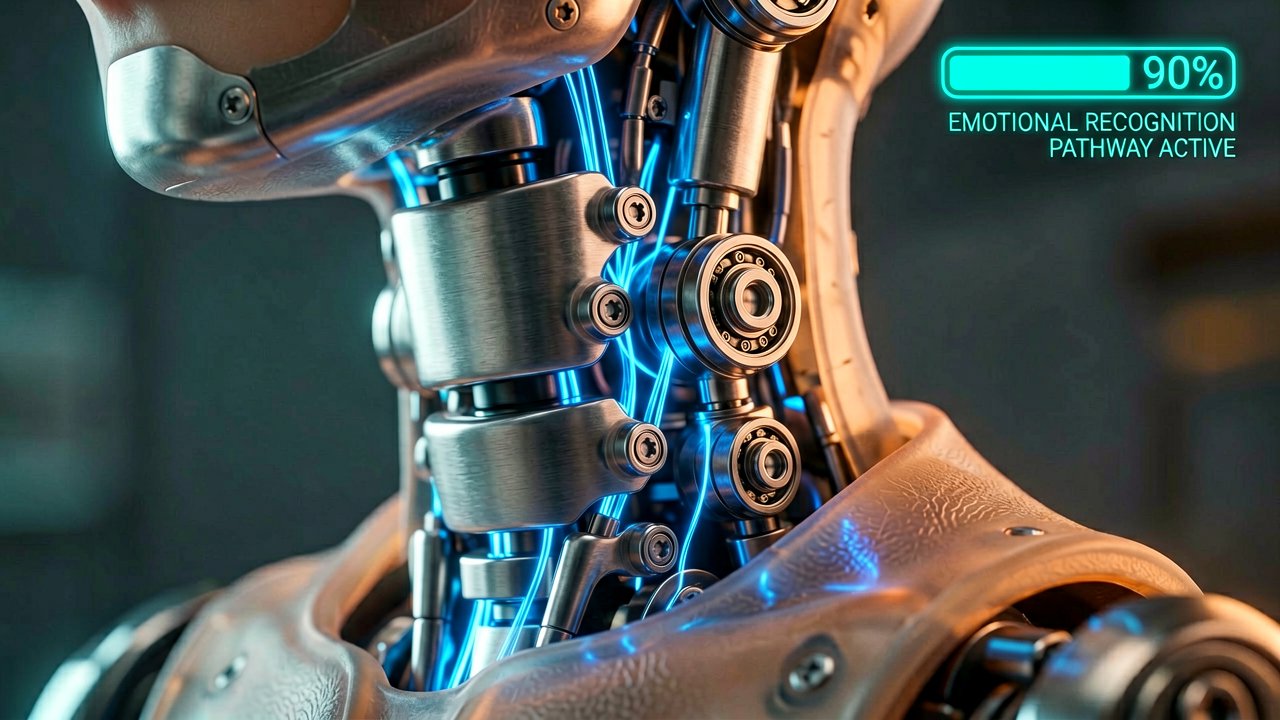
For years, robotics pioneers have promised us full-sized humanoids that could take over our chores, assemble our cars, or patrol our borders. But during its flashy 2026 Global Launch Event in Shenzhen on June 30, Chinese robotics heavyweight UBTech decided to take a hard turn into a completely different kind of labor market. The company officially pulled back the curtain on its highly anticipated UWorld U1 series, a lineup of ultra-bionic companion robots designed not to wash your dishes or mop your floors, but to intimately understand how you feel.
At the center of UBTech's pivot is an ambition to bridge the uncanny valley between cold, mechanical responses and genuine human connection. The U1 series achieves this by relying on what the company calls the world’s first emotion-aware large language model. This software framework allows the hardware to analyze vocal inflections, facial nuances, and behavioral patterns in real time. According to a detailed report from Interesting Engineering, the hardware boasts an unprecedented ninety percent accuracy rate when recognizing more than 20 distinct, fine-grained emotional states. The robot operates without the need for a clunky wake word, using constant environmental awareness to react to its companion in a claimed 500 milliseconds.
A Symphony of Silicon, Steel, and Empathy
The engineering crammed into the U1 series is undeniable, even if the premise feels straight out of a science fiction movie. UBTech has equipped the full-body versions, like the U1 Pro and the high-end U1 Ultra, with a stunning 88 degrees of freedom and a dual-pivot biomimetic cervical spine. This setup enables the androids to mimic roughly ninety percent of fundamental human movements and facial gestures, right down to subtle lip-syncing latencies under 20 milliseconds. The physical chassis is wrapped in a heated, flexible silicone skin complete with faux pores and customizable cosmetic details, giving it an unnervingly human-like aesthetic that immediately captured the internet's attention. As noted by heise online, the lineup stretches across three separate tiers—the stationary U1 Lite torso, the full-sized Pro, and the premium, walking Ultra edition—with pricing scaling from an entry-level $17,650 all the way to a massive $137,000 for the flagship male and female variations.
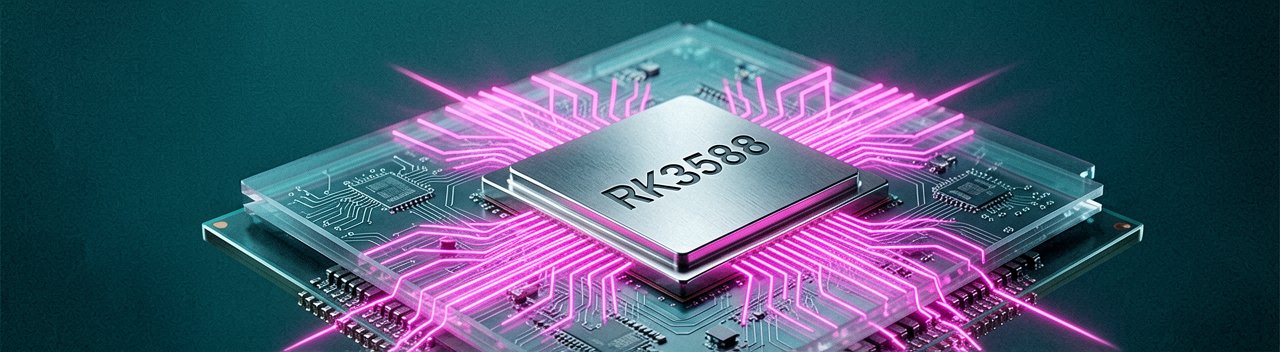
Yet, the hardware is only half the story here. To make long-term companionship viable, UBTech built an onboard memory ecosystem powered by a Rockchip RK3588 processor and trained on the Huawei Ascend framework. This setup creates a persistent, evolving profile of the user's habits, preferences, and conversational history over time. Anticipating the immediate alarms this kind of intimate data collection would sound, UBTech integrated a rigorous three-layer privacy architecture. This local-first system ensures that deeply personal interactions remain encrypted on the physical machine rather than floating around on vulnerable cloud servers.
Curing Loneliness or Selling a Illusion?
While tech enthusiasts are marveling at the rapid development cycles, the U1’s unveiling has stirred up a hornets' nest of psychological debate. UBTech executives lean heavily into marketing these machines as a high-tech remedy for loneliness, specifically targeting the millions of single adults and empty-nest seniors living across urban environments. The tech industry, however, is viewing the rollout with a healthy dose of skepticism, balancing the raw engineering achievements against the eerie social implications of artificial affection. Whether the public is entirely ready for synthetic empathy remains an open question, but the market seems eager to find out. By the time the launch event wrapped up, UBTech reported that consumer orders had already shattered expectations, with over 13,000 pre-orders secured on day one ahead of the initial delivery window scheduled for mid-September 2026.
Behind the Scenes of the Emotional Breakthrough
The sudden arrival of the UWorld U1 represents a massive ideological shift for UBTech, a firm previously known for industrial bipedal research and consumer educational kits. For nearly a decade, the robotics sector has viewed emotional expression as a tertiary goal, focusing heavily instead on lifting capacity, battery efficiency, and torque density. By shifting its focus to micro-expressions and acoustic tonal shifts, the engineering team had to abandon traditional, rigid mechanical chassis layouts. Standard planetary gearboxes and stiff servo motors simply could not mimic the fluid, almost imperceptible twitches of a human eyebrow or jawline. Instead, the company invested heavily in micro-linear actuators and compliance-matched soft robotics to prevent the U1 from looking like an animatronic horror show.
This pivot toward the domestic companionship market highlights a growing division within the global robotics industry. Western labs like Boston Dynamics and Figure AI are fiercely racing to automate warehouse floors and commercial logistics networks, training their models on physical manipulation tasks. In contrast, East Asian robotics firms are increasingly turning their attention toward severe demographic challenges, particularly rapidly aging populations and climbing isolation rates. UBTech’s strategy hinges on the belief that a machine's ability to mirror human vulnerability is far more valuable in a living room than its ability to carry a heavy box. Industry analysts point out that this bet could give the firm a massive first-mover advantage in the largely untapped silver economy, provided consumers embrace the concept.
The underlying software architecture reveals just how much UBTech is relying on regional technology ecosystems to bypass traditional hardware bottlenecks. Running a complex multimodal emotion-recognition pipeline alongside an advanced large language model typically requires immense computational overhead, often tethering robots to a massive cloud infrastructure. By tailoring their software to run directly on localized silicon, engineers managed to slash communication latency to a fraction of a second. This offline-first approach serves a dual purpose. It satisfies increasingly strict domestic data protection laws regarding facial data, and it ensures the robot remains fully responsive even if a household internet connection completely drops out.
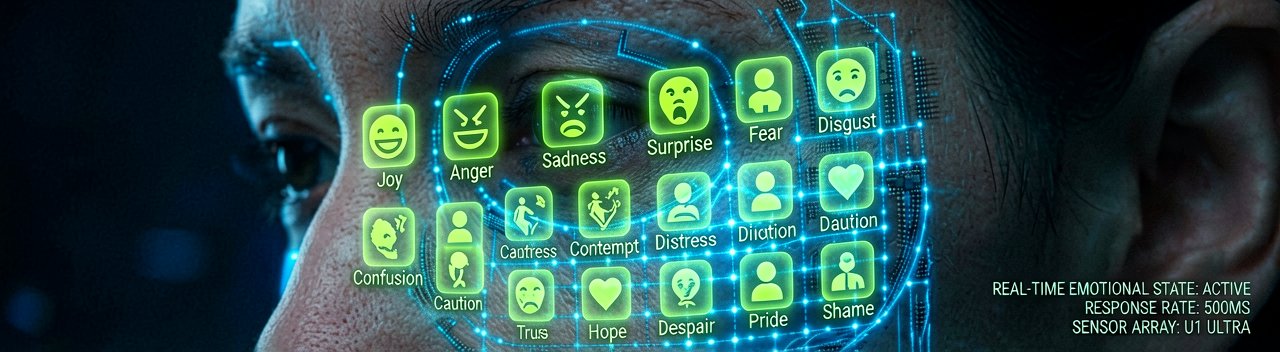
Despite the staggering pre-order numbers, the project has drawn sharp criticism from behavioral psychologists and ethicists alike. Critics argue that a ninety percent accuracy rate still leaves a ten percent margin for error, which could lead to deeply inappropriate or counterproductive machine responses during a genuine human emotional crisis. Furthermore, there is deep concern regarding the psychological impact of parasocial relationships formed with a machine that is explicitly programmed to simulate affection and understanding. While UBTech maintains that the U1 series is meant to supplement human relationships rather than replace them, the marketing materials undeniably blur the line between a helpful utility appliance and an artificial life partner.
As the mid-September shipping deadline approaches, the global tech community will be watching the initial deployment phase with intense scrutiny. The true test for the U1 series will not take place inside a controlled laboratory environment or on a heavily rehearsed stage in Shenzhen, but in the messy, unpredictable realities of everyday households. If these companion androids succeed in delivering genuine comfort to early adopters, they will fundamentally rewrite the playbook for human-robot interaction. If they fail, they risk being remembered as an expensive, over-engineered novelty that flew too close to the uncanny valley.
Reading Between the Lines of Synthetic Empathy
The tech industry has a long history of mistaking mechanical mimicry for genuine cognitive understanding, and the UWorld U1 launch lands square in the middle of this confusion. While a ninety percent emotion-recognition accuracy rate looks spectacular on a marketing slide, it glosses over how human emotion actually works. True feelings are rarely just a combination of predictable facial twitches and vocal pitches. They are deeply tangled up in shared history, cultural nuances, and unspoken context. By treating human feelings as a simple puzzle to be decoded by a localized language model, UBTech risks building a machine that is technically precise but fundamentally oblivious to the deeper realities of human experience.
There is also a glaring contradiction between the robot’s premium pricing and its intended social mission. UBTech frames the U1 series as a vital tool to combat loneliness among lonely seniors and isolated urban adults. Yet, with the walking Ultra model costing a staggering $137,000, these machines are far out of reach for the very demographics that suffer most from social isolation. Instead of helping vulnerable communities, the U1 is currently positioned as an expensive status symbol for wealthy early adopters. This economic gap exposes a stark divide between the company’s warm, philanthropic messaging and the cold reality of selling luxury tech hardware.
Furthermore, relying on local hardware like the Rockchip RK3588 to handle this much processing raises serious long-term performance questions. Running real-time video analytics, lip-syncing software, and complex behavioral models simultaneously pushes mobile processors to their absolute limits. As the robot’s onboard memory grows over months of daily interactions, the system could easily face processing bottlenecks, sluggish response times, or overheating issues. UBTech promises that its local-first setup will keep user data entirely private, but if the hardware begins to stutter under the heavy computing load, the company may eventually be forced to quietly move these processing tasks to the cloud.
Ultimately, the U1 rollout pushes us into an strange new era where artificial affection is treated as a commercial product. For decades, consumer technology has focused on making tools faster, sleeker, and more efficient. By designing a product specifically to mimic emotional vulnerability, UBTech is moving away from building helpful tools and moving toward selling an illusion of friendship. If consumers willingly accept a machine's programmed responses as a substitute for real human connection, it could subtly shift how we interact with each other, making real-world relationships seem far too complicated compared to a perfectly compliant, silicon-skinned companion.
"We have finally designed a machine capable of perfectly reading the room, which is a magnificent engineering achievement—even if it just highlights the fact that we still have absolutely no idea what to say to each other once the room falls silent."
Artūras Malašauskas is an AI Systems Integrator with 20+ years of production-grade web engineering experience. He has designed, shipped, and scaled enterprise Python/PHP systems for logistics, SaaS, and public-sector clients. For the past year, he has focused exclusively on AI integrations: deploying open-source LLMs, building generative media pipelines (image, audio, video), and engineering multi-agent workflows for real production environments. His standard: reproducibility, security, cost-efficient inference—no vaporware. He documents and evaluates emerging AI tooling, separating verified capabilities from marketing noise. Technical editor at: muza-ai.eu, ai-verslas.lt, ai-naujinos.lt Connect on LinkedIn
Comments