Fortis Escorts Unveils Robotic Surgery Hub in Faridabad to Drive Advanced Healthcare Access
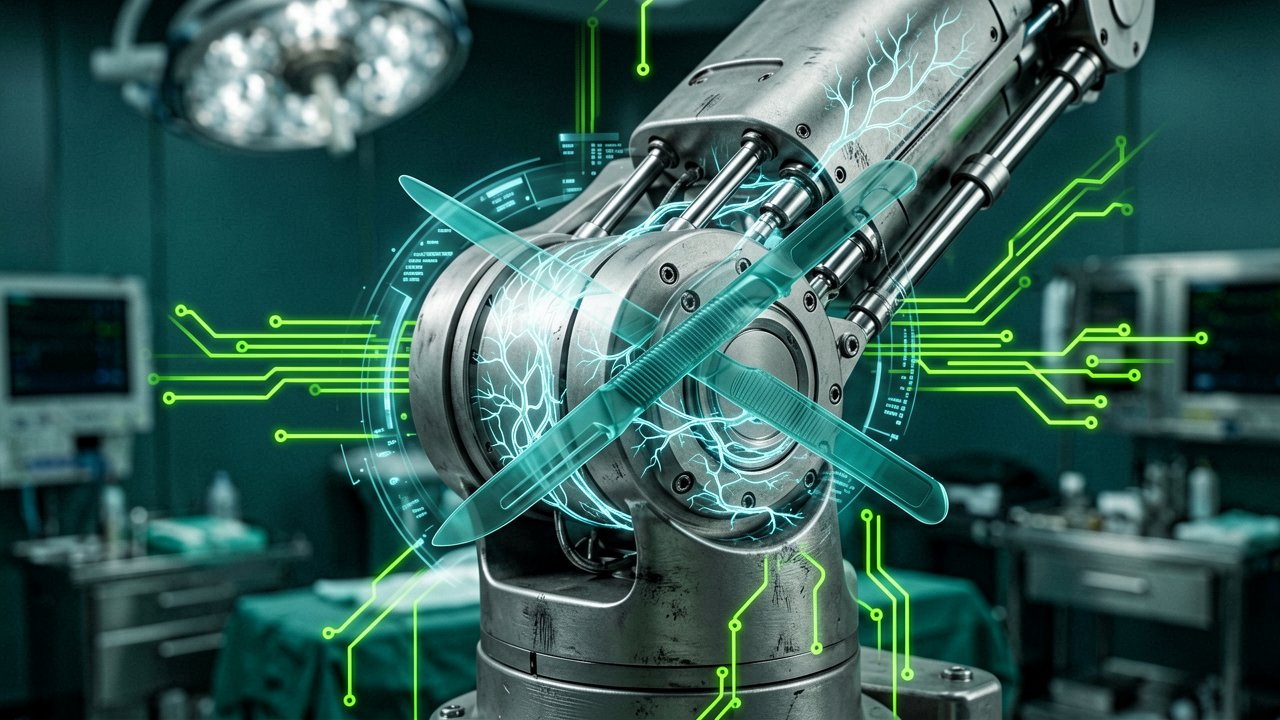
Fortis Escorts Hospital launched its highly anticipated Fortis Institute of Robotic Surgery in Faridabad on June 24, 2026, signaling a massive leap forward for localized high-tech healthcare. As medical infrastructure races to match evolving clinical demands, this dedicated hub brings sophisticated, machine-assisted surgical capability under a singular, integrated program. It is an approach designed to replace traditional, widely dispersed equipment setups with a tightly unified ecosystem of specialized operating facilities and multi-disciplinary medical personnel.
The facility is steering away from simple technical upgrades by treating the launch as part of a wider "Future of Surgery" initiative. According to reports from Express Healthcare and Digital Health News, the newly formed institute integrates advanced imaging and peri-operative infrastructure to maximize surgical control. Rather than limiting robotic intervention to single medical fields, the hospital has pulled together specialized surgical teams spanning urology, oncology, orthopedics, gynecology, ENT, general gastrointestinal surgery, and cardiothoracic vascular surgery.
Upgrading Precision and Clinical Outcomes
By leveraging 3D high-definition visualization and highly intuitive instrument articulation, the new platforms allow clinicians to operate through microscopic incisions. This level of precision translates directly to minimized blood loss, far shorter hospital recovery tracks, and a substantial reduction in post-operative discomfort. Dr. Abhishek Sharma, Facility Director at Fortis Escorts Hospital Faridabad, pointed out during the launch that the initiative acts as an ongoing catalyst to adopt, refine, and scale emerging medical technologies across the region.
Beyond daily clinical operations, the institute is stepping up to function as a regional training and development hub for the next generation of medical specialists. Healthcare systems regularly struggle with the learning curve associated with digital medical tech, making dedicated training spaces crucial for long-term safety and efficiency. Fortis expects this blended format of advanced tertiary care delivery and structured surgical education to set a new benchmark for hospital networks in Faridabad and neighboring territories.
The Hidden Architecture of Precision Care
Beyond the Press Releases: The real story of the Fortis Institute of Robotic Surgery isn't just about unboxing expensive new hardware; it is about a profound shift in how modern operating rooms actually function. In traditional surgery, the medical team relies heavily on tactile feedback—the literal feel of tissue and bone under manual instruments. Transitioning to a robotic setup demands that surgeons trade that tactile intuition for highly magnified, three-dimensional digital visualization. This shift transforms the operating theater from a mechanical environment into an information-dense cockpit, where digital overlays map out blood vessels and tumor boundaries in real-time, effectively eliminating the human hand's micro-tremors from the equation.
This technical evolution also redraws the baseline for patient recovery physics. When an intervention is executed with microscopic articulation through a tiny port, the surrounding muscle tissue undergoes significantly less trauma and tearing. For the patient, this means the inflammatory response is muted, pain signals are dulled, and the overall recovery clock accelerates dramatically. Hospitals are beginning to look at these robotic systems not as luxury upgrades, but as critical tools to optimize bed turnover rates and minimize the long-term clinical complications often tied to lengthy post-operative hospital stays.
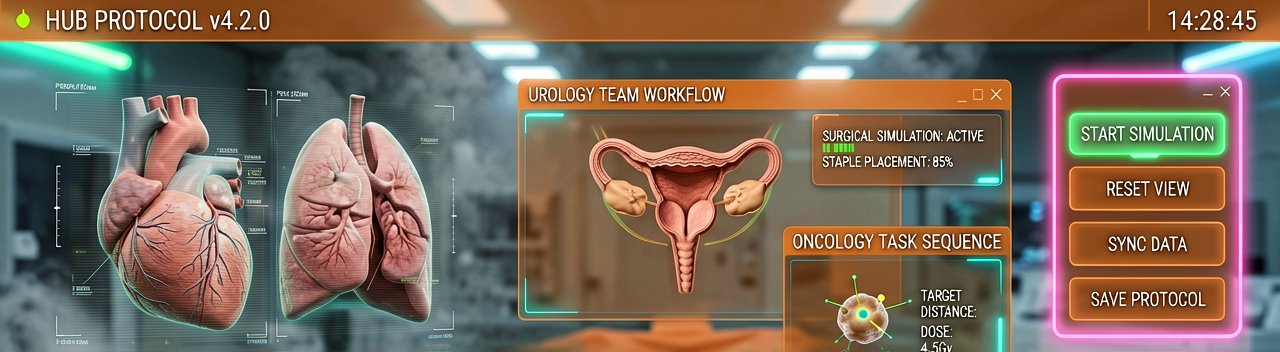
Yet, standing up a multidisciplinary robotic institute requires a massive, coordinated upskilling effort that goes far beyond the primary surgeon. A robotic procedure changes the workflow for everyone in the room, from the anesthesiologist managing patient positioning to the scrub nurses managing specialized tool docks. Fortis is betting heavily on this collective ecosystem, designing a centralized hub where cross-functional teams can synchronize their training. This structural consolidation ensures that a urology team and a cardiothoracic team can share operational insights, establishing a standardized, highly repeatable protocol across every surgical specialty under their roof.
From an economic and regional perspective, the Faridabad expansion serves a strategic purpose in decentralizing top-tier healthcare. For years, patients requiring highly advanced, machine-assisted interventions had to migrate toward Tier-1 metropolitan hubs, adding massive logistical and financial strain to already stressful medical situations. By embedding an advanced robotic training and care infrastructure directly into Faridabad, Fortis is effectively catching the suburban shift, providing a complex medical safety net right where a rapidly growing population lives and works.

The True Cost of Automation in the Operating Room
Reading Between the Lines: While the arrival of a specialized robotic institute is easily celebrated as a triumph of modern engineering, it forces a difficult conversation about the economics of healthcare accessibility. The core paradox of robotic surgery lies in its steep entry cost. Sophisticated multi-arm platforms demand massive upfront capital investments and carry recurring maintenance contracts that can easily outpace traditional medical equipment. When a hospital commits to this level of financial overhead, the pressure to maintain high utilization rates becomes intense, creating an unspoken tension between clinical necessity and the financial reality of amortizing a multimillion-dollar machine.
This economic pressure often collides with the broader narrative of democratization. Industry marketing frequently promises that advanced automation will make premium care accessible to the masses, yet the immediate reality is that these procedures often carry a premium price tag for the consumer. In a regional market like Faridabad, where insurance penetration varies wildly and out-of-pocket medical expenses can be catastrophic for families, a high-tech robotic center risks creating a multi-tiered healthcare system. The real test for Fortis will not be whether their machines can execute flawless incisions, but whether they can optimize operational workflows enough to make these advanced interventions affordable for the average patient.
Furthermore, the long-term clinical superiority of robotic intervention over traditional laparoscopy is still a matter of nuanced debate within the global medical community. While the benefits in complex urological and deep-pelvic oncological procedures are well-documented, the advantages in more routine general surgeries are sometimes marginal at best. Critics often point out that a highly skilled surgeon with standard laparoscopic tools can frequently achieve comparable outcomes at a fraction of the cost. The challenge for this new institute will be avoiding the temptation to treat every medical problem as a nail just because they have invested in a very expensive, highly sophisticated robotic hammer.
Ultimately, this technological push represents a calculated gamble on the future of regional healthcare infrastructure. If Fortis can successfully leverage this hub to train an entire generation of local surgeons, the resulting rise in regional expertise could eventually drive down operational costs through sheer scale. For now, the facility stands as a fascinating case study in healthcare ambition, balancing the indisputable brilliance of modern biomedical engineering against the stubborn, grounded realities of medical economics and patient affordability.
It turns out that the future of medicine looks remarkably like the future of everything else: a world where the robots are flawlessly precise, the data streams are beautifully real-time, and the billing department still requires a highly human level of nerves to navigate.
Artūras Malašauskas is an AI Systems Integrator with 20+ years of production-grade web engineering experience. He has designed, shipped, and scaled enterprise Python/PHP systems for logistics, SaaS, and public-sector clients. For the past year, he has focused exclusively on AI integrations: deploying open-source LLMs, building generative media pipelines (image, audio, video), and engineering multi-agent workflows for real production environments. His standard: reproducibility, security, cost-efficient inference—no vaporware. He documents and evaluates emerging AI tooling, separating verified capabilities from marketing noise. Technical editor at: muza-ai.eu, ai-verslas.lt, ai-naujinos.lt Connect on LinkedIn
Comments