Letting AI Talk to the Inbox: Chain Rolls Out Autopilot Booking Agent to Take Over Freight Negotiations
The relentless barrage of email negotiations filling the inboxes of freight brokers might finally see some relief. In an announcement on June 22, 2026, the AI-powered freight operations platform Chain officially rolled out its new Autopilot Booking Agent, a tool explicitly engineered to take over carrier negotiations. It is a calculated move to inject human-like workflow automation into logistics, shifting reps away from routine email haggling so they can tackle harder-to-cover freight. Instead of forcing logistics teams to build rigid, complex if-then logic trees, the tool takes direction through plain-language coverage instructions, fundamentally shifting how brokers interact with their software.
Guardrails, Memory, and True Autonomous Booking
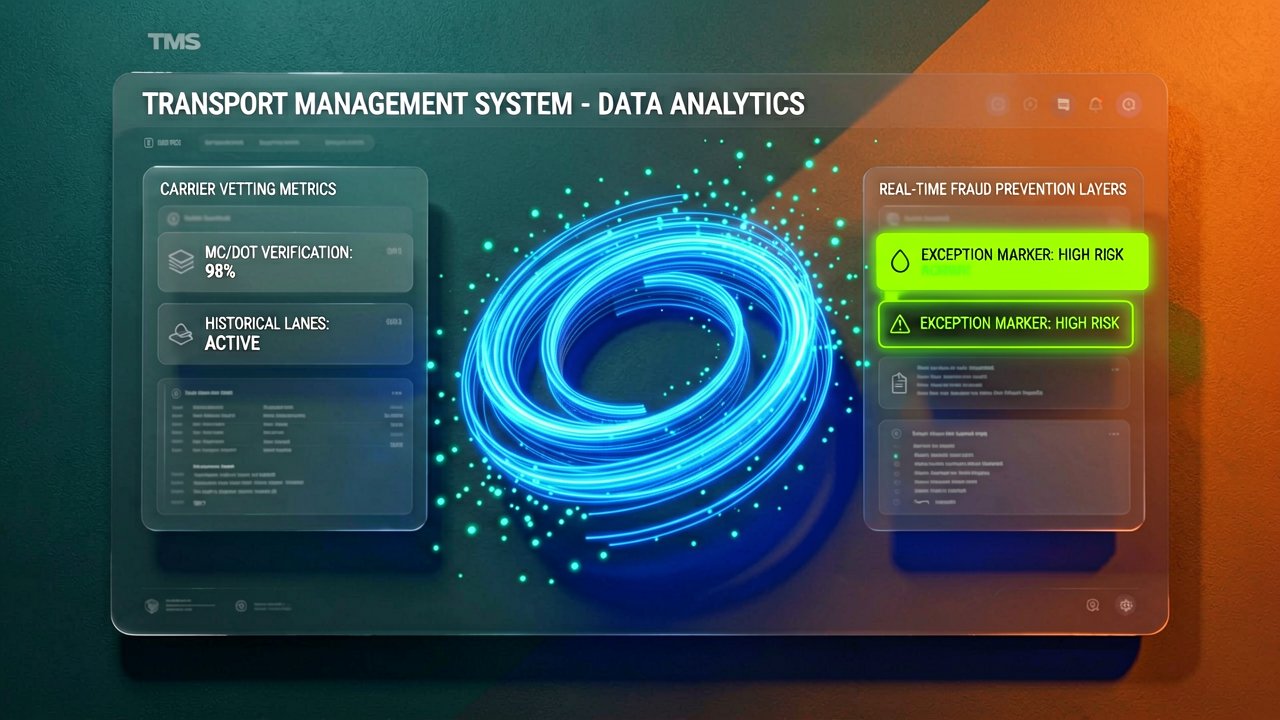
What makes this rollout particularly notable is its tight integration with existing broker ecosystems. According to details shared via PR Newswire, the agent pulls start, target, and maximum rates directly from a broker’s Transportation Management System (TMS), ensuring it never oversteps financial ceilings during a negotiation. It also actively vets carriers using MC or DOT numbers, cross-references historical lane data, and automatically logs finalized bookings back into the TMS. By taking an outbound-first approach, the system handles the heavy lifting of proactive carrier outreach well ahead of pickup deadlines, stepping back and escalating conversations to human reps only when an exception requires actual human nuance.
Under the Hood of Logistics Automation: For decades, the freight brokerage industry has thrown bodies at its communication bottlenecks. Freight brokers traditionally spend hours daily scanning load boards, cold-calling carriers, and drafting repetitive, formulaic emails to negotiate rates. Previous attempts to streamline this work relied on rigid automated workflows that fell apart the moment a carrier countered with a slightly unusual question or an unexpected rate. Chain’s approach targets this specific fragility by deploying large language models capable of interpreting conversational intent, effectively treating the inbox as an actionable interface rather than a chaotic digital pile.
The Threat of the Endless Email Thread
The operational reality for most mid-market brokerages is a constant battle against time and attention decay. When a load goes unbooked, its market value drops, margins shrink, and shipper trust erodes. Industry insiders note that human brokers naturally prioritize high-volume lanes or high-margin freight, leaving trickier, lower-priority loads to sit in the queue until deadlines loom. By offloading initial outreach and the first few rounds of rate haggling to an autonomous agent, logistics firms can effectively run a 24/7 coverage operation without burning out their staff or drastically increasing headcount during peak seasons.
However, this shift toward complete inbox autonomy introduces fresh anxieties regarding carrier relations and data integrity. Freight negotiation is historically built on relational nuance, where a long-term carrier relationship might justify paying an extra fifty dollars on a lane to guarantee service reliability. To prevent the AI from acting as a cold, algorithmic counter-machine that alienates core carrier networks, the engineering behind these systems must incorporate historical memory. The platform has to recognize returning carriers and respect pre-negotiated contract lanes rather than treating every inbound quote as an isolated transactional event.
Vetting Risks in a High-Fraud Environment
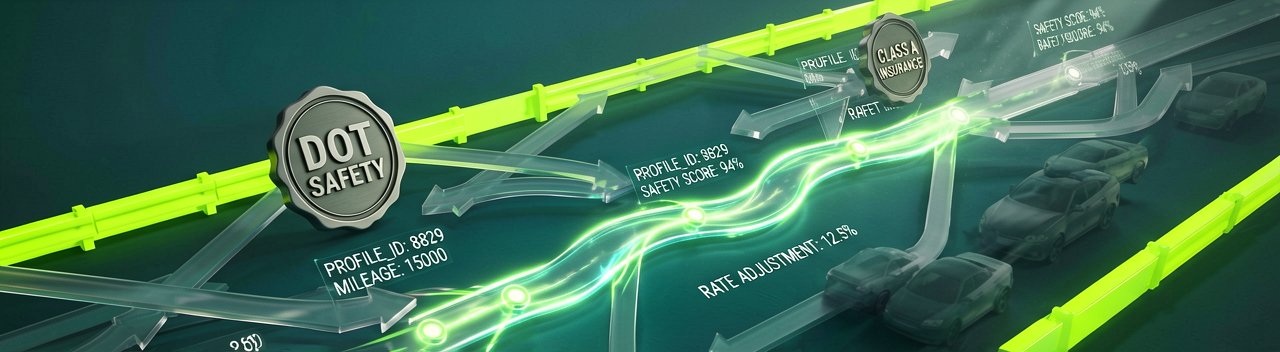
Beyond simple rate negotiation, the rollout addresses a more insidious problem plaguing modern supply chains: identity theft and double-brokering fraud. Because bad actors frequently use spoofed emails and illegitimate MC numbers to steal cargo, an automated agent cannot simply accept the lowest bid blindly. Integrating real-time vetting directly into the automated loop represents a necessary layer of defense. By cross-referencing carrier authority, safety scores, and insurance data at the exact moment a rate is agreed upon, the software aims to block fraudulent bookings before a dispatch sheet is ever generated.
Ultimately, the success of autonomous booking agents will not be measured by how many emails they send, but by their exception rate. If a human broker has to step in and fix a broken thread every third email, the tool becomes a distraction rather than a leverage multiplier. The true benchmark for Chain and its competitors over the coming months will be the percentage of loads that pass completely from outreach to final TMS logging without a human operator ever touching the keyboard.
Reading Between the Lines: The tech industry’s love affair with "autonomous agents" often obscures a messy operational reality: the logistics world does not run on clean data. While the promise of an AI that cleanly negotiates freight rates in plain English sounds like a silver bullet for cash-strapped brokerages, it assumes a level of standardization that simply does not exist in the real world. Carriers do not write emails like corporate chatbots. They use industry shorthand, typos, fragmented sentences, and highly regionalized slang that can easily confound standard natural language processing models, turning a supposedly automated workflow into a game of digital telephone.

The Disconnection from Real Market Chaos
There is also a fundamental contradiction in automating negotiations based purely on static parameters pulled from a Transportation Management System. A broker's maximum rate target is a moving target, dictated by sudden weather shifts, traffic bottlenecks, and capacity crunches that happen in real time. If an agent is strictly bound to rigid financial ceilings set hours prior, it risks missing out on critical capacity during a fast-moving market spike. Conversely, if the guardrails are left too loose to give the AI "flexibility," a brokerage risks leaking margin to savvy human dispatchers who quickly figure out how to game the machine's predictable bidding patterns.
Furthermore, relying heavily on automated outreach could inadvertently choke the very channels it aims to clear. If every mid-market brokerage deploys its own fleet of autonomous booking agents, the result will be an exponential explosion of AI-generated spam flooding carrier inboxes. Carriers, already overwhelmed by low-quality automated blasts, will likely implement stricter email filters or abandon email-based bidding altogether in favor of closed, invite-only digital platforms. By automating the noise, the logistics tech sector risks breaking the very communication medium it relies on for business continuity.
The Human Element Rebranded as "Exception Handling"
Ultimately, the industry's pivot toward these tools reveals a deeper irony regarding the future of logistics labor. Startups pitch these agents as tools to "free up humans for strategic tasks," yet the immediate impact is often transforming experienced freight brokers into glorified data-entry clerks who spend their days troubleshooting edge cases and fixing the AI's mistakes. True operational efficiency won't come from teaching a machine how to send a better email, but from building networks robust enough that haggling over fifty dollars on a Tuesday afternoon becomes entirely obsolete.
Until artificial intelligence figures out how to physically tarp a flatbed in a freezing rainstorm or explain to a furious receiver why a driver is stuck on the interstate, the logistics industry will remain stubbornly, beautifully tethered to human chaos—no matter how polished the automated emails look.
Artūras Malašauskas is an AI Systems Integrator with 20+ years of production-grade web engineering experience. He has designed, shipped, and scaled enterprise Python/PHP systems for logistics, SaaS, and public-sector clients. For the past year, he has focused exclusively on AI integrations: deploying open-source LLMs, building generative media pipelines (image, audio, video), and engineering multi-agent workflows for real production environments. His standard: reproducibility, security, cost-efficient inference—no vaporware. He documents and evaluates emerging AI tooling, separating verified capabilities from marketing noise. Technical editor at: muza-ai.eu, ai-verslas.lt, ai-naujinos.lt Connect on LinkedIn
Comments