IGN Live 2026 Ticket Drop: Score Huge Discounts for LA’s Premier Gaming Showcase
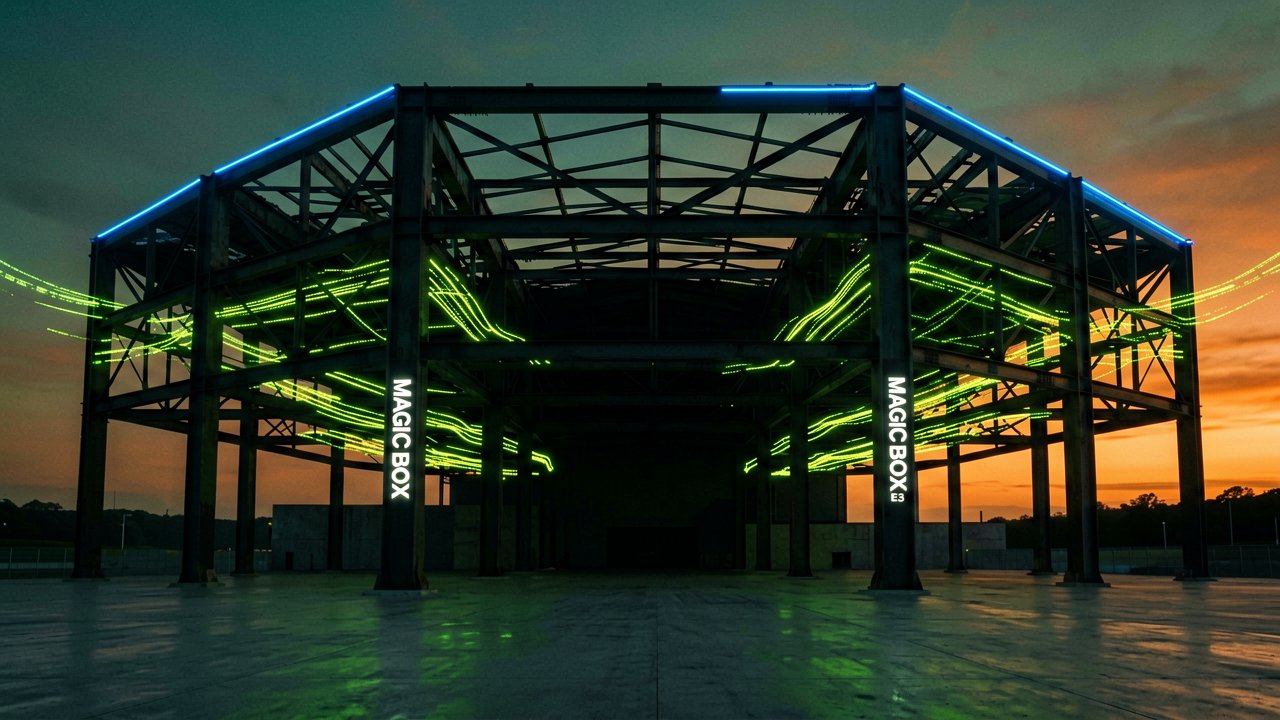
Summer is officially the busiest season for the gaming industry, and the team at IGN Entertainment is keeping the physical convention hype alive. Public passes for IGN Live 2026 have officially hit the market, giving fans an opportunity to experience massive exclusive game previews, hands-on demos, and packed panel lineups right in the heart of Downtown Los Angeles. If you are itching to get your hands on upcoming titles or sit in on high-profile creator chats, you will want to lock down your spots before the allocations run dry.
The highly anticipated three-day fan festival is taking over the Magic Box @ The Reef, running from June 6 to June 7, 2026. Stepping into the void left behind by the long-defunct E3, this year's convention focuses heavily on direct fan interaction, community activations, and major industry reveals. Unlike the industry-restricted Summer Game Fest happening simultaneously, this event serves as a public-facing bridge for mainstream enthusiasts, anime buffs, and pop culture collectors alike.
Ticket Pricing Breakdown and Exclusive Promo Codes
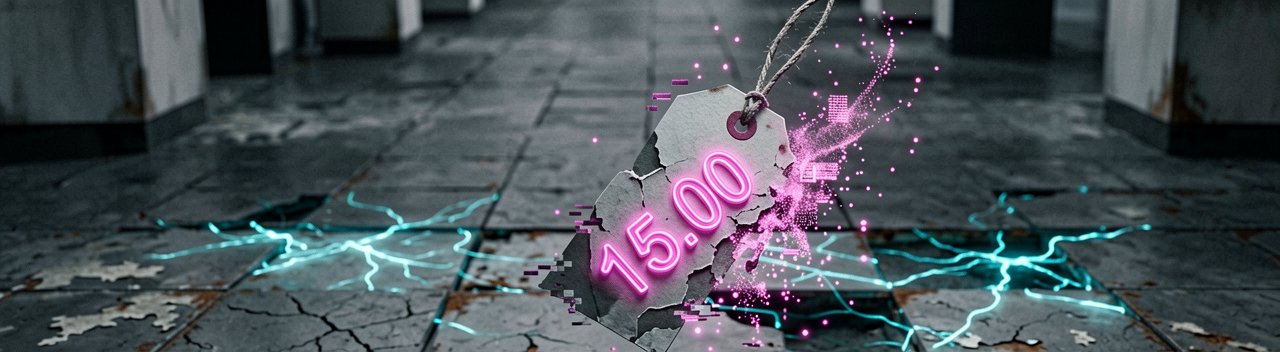
Regular admission rates are quite approachable compared to standard convention prices, but savvy attendees can trim those costs even further using promotional codes. A standard single-day ticket is priced at $25, while a full two-day weekend pass will cost you $40 and includes a collectible premium swag bag. Media outlets and regional guides have also shared specialized promotional codes like MASHABLE10 and CNET10, dropping the price of admission to just $15 for a single day or a heavily discounted $30 for the complete weekend experience, as reported by Mashable and CNET.
Massive Reveals and Star-Studded Panel Lineup
The structural layout of the showcase promises a dense itinerary filled with major property previews and media personalities. Attendees can expect deep-dive developer interviews regarding highly anticipated software titles, alongside an interactive, community-wide watch party hosted alongside the upcoming Xbox Games Showcase. Major entertainment entities are pulling out all the stops, with scheduled appearances from the creative teams behind critically acclaimed projects like Control Resonant and Ubisoft's upcoming revamped classic, Assassin's Creed Black Flag Resynced.

Beyond the playable software verticals on the show floor, the main stages will play host to an array of Hollywood icons and digital voice talents. Fans can secure seats for panels featuring the cast of Netflix's live-action Avatar: The Last Airbender, voice actors from The Legend of Vox Machina, and the chaotic crew from the legendary Jackass franchise. For anyone who cannot make the physical trek out to California, the entire weekend event schedule will be broadcast globally across major streaming platforms and social channels.
What Most Reports Miss: The evolution of the summer gaming calendar has transformed from an exclusive corporate battleground into a direct-to-consumer land grab. Ever since the Entertainment Software Association permanently shuttered E3, a massive structural void left publishers scrambling for physical real estate where they could interface directly with their core audiences. While Geoff Keighley’s Summer Game Fest successfully captured the high-production digital broadcast market, it intentionally left everyday enthusiasts on the outside looking in. IGN Live stepped into this specific operational vacuum, recognizing that the community-driven aspect of physical conventions was far too lucrative and culturally significant to abandon entirely.
Industry insiders view this ticket drop as a critical litmus test for the viability of independent fan expos in the post-pandemic landscape. For years, major publishers like Nintendo, PlayStation, and Xbox questioned the return on investment required to build massive, million-dollar booths for brief three-day showcases. By utilizing a decentralized partner ecosystem, the organizers have effectively shifted the financial burden away from a few massive anchor corporations and spread it across indie developers, lifestyle apparel brands, and streaming networks. This diversification ensures that even if a platform holder decides to skip a physical presence, the event hall remains packed with varied consumer touchpoints.
The Realities of the Contemporary Fan Convention Ecosystem
Fulfilling consumer expectations in 2026 requires an aggressive blend of digital integration and sensory spectacle that goes well beyond early-build software demos. The modern convention-goer demands comprehensive community integration, which is exactly why the programming schedule relies heavily on simultaneous interactive streaming initiatives. By syncing physical stage panels with digital watch parties, the organizers are attempting to capture global advertising revenue while keeping the physical localized energy high inside the Magic Box hall. This hybrid strategy allows localized ticket pricing to stay relatively low, cross-subsidizing operational overhead through massive global broadcast metrics.
This structural evolution also shifts how exclusive software reveals are handled on the showroom floor. Historically, long lines and brief five-minute gameplay sessions left general attendees deeply frustrated, but contemporary organizers have adjusted by pairing brief physical hands-on stations with immediate, short-term digital cloud access for pass holders. This distribution layout alleviates bottlenecks on the convention floor while providing publishers with instantaneous data analytics on player engagement. It is a highly optimized corporate loop masked as a pure fan celebration, highlighting how data collection and fan loyalty have become entirely inseparable in modern entertainment ecosystems.
Reading Between the Lines: The aggressive discounting of launch tickets raises immediate questions about the true consumer demand for localized physical expos in an era dominated by instant digital delivery. While a fifteen-dollar admission price is undeniably attractive for the average consumer, dropping promotional codes right at the initial ticket launch is a classic marketing tactic used to inflate early registration metrics. If the demand for a replacement physical event in Los Angeles were as insatiable as corporate press releases claim, organic scarcity would drive ticket sales without the immediate need for third-party promotional intervention. This pricing strategy suggests a lingering corporate anxiety regarding whether mainstream gamers are actually willing to battle downtown traffic just to sit in a convention center and watch trailers they could easily stream from their couches.
Furthermore, an uncomfortable tension exists between the event's public-facing identity and its corporate reliance on the concurrent Summer Game Fest. The organizers position this showcase as a standalone public haven, yet its itinerary is deeply dependent on piggybacking off the media momentum generated by Xbox and other massive publisher broadcasts. This reliance exposes a structural vulnerability where the physical expo acts more like a glorified, paid watch party than an independent source of industry-shifting announcements. Should major publishers choose to fully internalize their marketing pipelines or shift their digital broadcast windows away from early June, the foundation of this entire convention weekend could evaporate overnight.
The Disconnect Between Corporate Metrics and Fan Experience
The promised synergy of physical attendance and digital cloud-based gameplay demos also presents a logistical contradiction that rarely plays out smoothly in practice. Convention halls are notoriously hostile environments for stable network infrastructure, and relying on cloud infrastructure to alleviate physical floor queues frequently results in technical latency bottlenecks. When fans pay for a physical ticket, they expect an elite, tangible experience that justifies the travel and lodging expenses. Forcing attendees to interact with software via cloud streams essentially charges them a premium to test a delivery mechanism that they are meant to use at home, blurring the line between exclusive access and outsourced stress-testing.
Ultimately, this hybrid event model risks pleasing neither the hardcore enthusiast nor the casual stream viewer entirely. Hardcore fans face a compromise floor space where massive publishers share billing with lifestyle brands, while digital viewers get a fragmented broadcast interrupted by localized stage logistics. As media corporations continue to aggressively financialize the spaces left behind by traditional trade shows, the line between authentic community gathering and a live-action corporate spreadsheet becomes increasingly thin. The true success of this event framework will not be measured by how quickly opening weekend tickets sell out under heavy discounts, but by whether attendees leave feeling like participants in a gaming culture rather than data points in an activation report.
Paying fifteen dollars to stand in a two-hour line just to play a five-minute demo via a cloud server that will lag on the convention center Wi-Fi is the most authentic tribute to the spirit of E3 that anyone could have possibly designed.
Artūras Malašauskas is an AI Systems Integrator with 20+ years of production-grade web engineering experience. He has designed, shipped, and scaled enterprise Python/PHP systems for logistics, SaaS, and public-sector clients. For the past year, he has focused exclusively on AI integrations: deploying open-source LLMs, building generative media pipelines (image, audio, video), and engineering multi-agent workflows for real production environments. His standard: reproducibility, security, cost-efficient inference—no vaporware. He documents and evaluates emerging AI tooling, separating verified capabilities from marketing noise. Technical editor at: muza-ai.eu, ai-verslas.lt, ai-naujinos.lt Connect on LinkedIn
Comments