Zoho Shifts the AI Calculus: Why Building a Homegrown Server Matters More Than Buying One
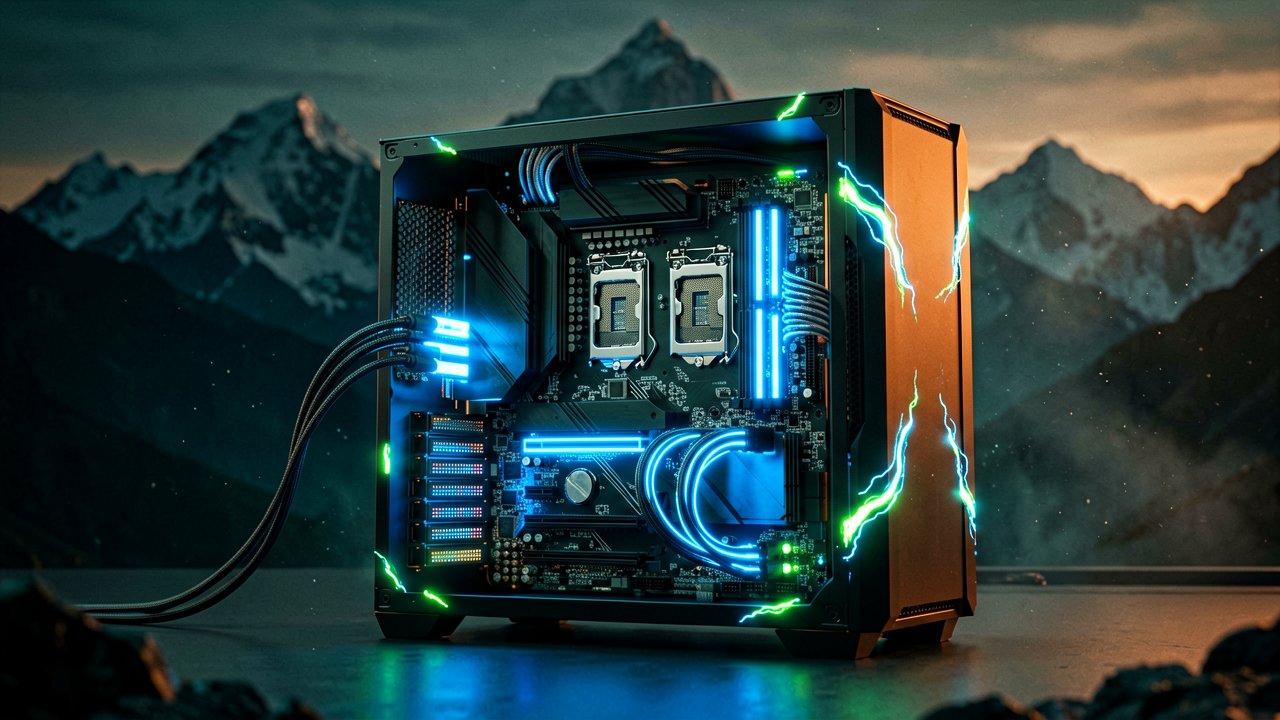
The global tech race loves a familiar rhythm: Big Tech builds massive AI models, and everyone else queues up to buy the hardware to run them. But on June 10, 2026, India's enterprise software heavyweight flipped that script. Led by founder Sridhar Vembu, Zoho Corporation officially broke into the silicon landscape by unveiling Nathu La, the country's first indigenously designed server platform optimized for AI inference and high-performance computing.
Named after the high-altitude Himalayan mountain pass, Nathu La is not a product you will find on retail shelves anytime soon. Zoho is strictly dogfooding this project, utilizing it internally across its global network of data centers serving over 150 million users. It is an aggressive play for technological sovereignty that bypasses traditional hardware vendors, proving that the foundation of the AI era is as much about the physical racks as it is about the code.
The Math Behind the Silicon
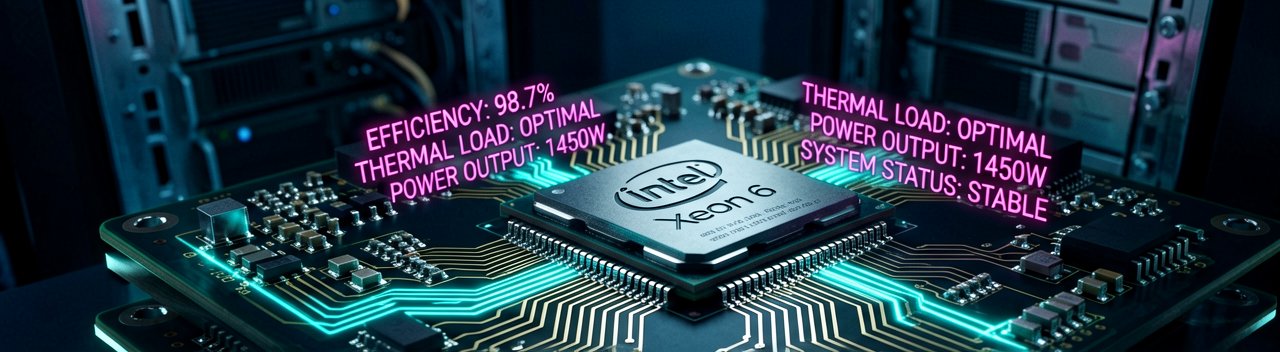
Running artificial intelligence workloads is notoriously expensive, and hardware prices have skyrocketed. Zoho's leadership noted that identical server configurations have tripled or quadrupled in cost over just a matter of months. Nathu La directly challenges these market pressures. Developed in collaboration with Intel and powered by Intel Xeon 6 processors, the platform reportedly slashes the total cost of ownership by 20% to 30%. It also slices power consumption by 12% to 18%, according to a detailed breakdown by Dataquest Bureau.
Bypassing the Tech Hubs
Instead of relying on veteran chip architects in Bengaluru or Silicon Valley, Zoho built the server over five years from its research and development center in Nagpur. The engineering team, led by Mangesh Sadafale, initially faced a severe lack of local hardware talent. To solve this, the company established the Student's Engagement for Transformative Upskilling initiative to train fresh graduates in advanced electronic design. By avoiding traditional technology corridors, the initiative has successfully built a pipeline of homegrown talent that now owns the complete intellectual property rights for the platform within India, as reported by Fortune India.
The Sovereignty Play
By owning every layer of its infrastructure, from the server chassis to the final application, Zoho insulates itself from geopolitical supply chain shocks and overseas licensing dependencies. The company currently has a few hundred units running within its facilities and intends to scale that footprint to approximately 2,000 servers by the end of the year. It is a calculated move toward full-stack independence, establishing a blueprint for how domestic tech ecosystems can control their own computational destiny rather than merely renting it from someone else.
The Hidden Engineering Gamble
Behind the Engineering Blueprint: Moving from enterprise software development to custom hardware design is a high-stakes pivot that few SaaS giants have ever attempted. Typically, software firms rely on public clouds or lease standardized off-the-shelf rack servers to run their applications. Building a server platform from scratch requires a fundamentally different operational muscle, forcing Zoho to navigate the unforgiving realities of physical component sourcing, thermal dynamics, and signal integrity. By centering development in Nagpur rather than a traditional hardware hub, the company essentially bet its infrastructure timeline on a localized, unproven talent pool.
The technical architecture of Nathu La reveals a calculated compromise between immediate utility and future scalability. By choosing the Intel Xeon 6 architecture as its computational foundation, Zoho avoided the multi-billion-dollar trap of fabricating its own bespoke silicon chips immediately. Instead, the team focused its innovation on motherboard architecture, power delivery systems, and localized firmware optimization. This hybrid strategy allows them to capture significant power and cost efficiencies while keeping their development cycle agile enough to adapt to rapidly evolving AI workloads.
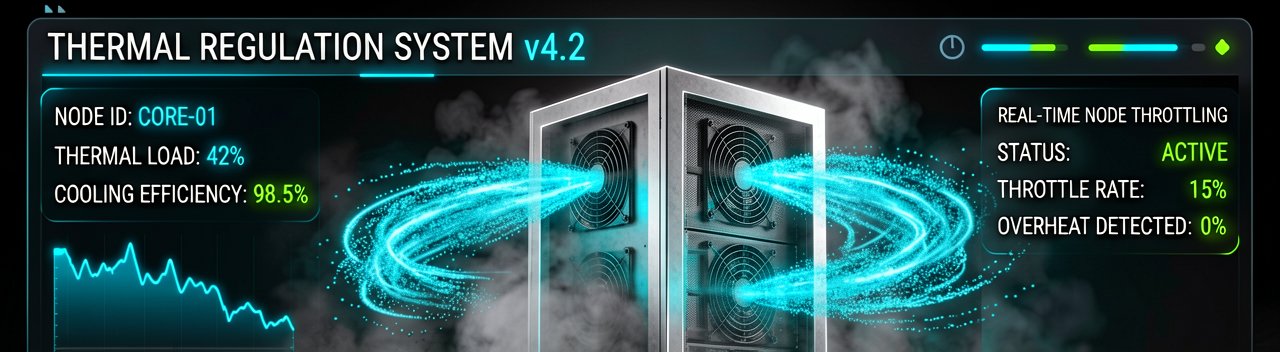
This design methodology addresses a major pain point in modern data centers: thermal bottlenecks during peak AI inference. Custom firmware allows the platform to dynamically throttle power across individual processing nodes based on the complexity of the incoming data request. Instead of running cooling systems at maximum capacity uniformly, the hardware self-regulates to minimize idle energy waste. This granular level of hardware control is impossible when renting virtualized cloud instances, giving Zoho a distinct edge in managing long-term operating expenditures.
The broader geopolitical implications of this launch extend far beyond corporate cost savings. As data localization mandates and digital sovereignty laws tighten globally, relying entirely on foreign-designed hardware stacks introduces long-term compliance and security vulnerabilities. By establishing an open blueprint for indigenous server manufacturing, this initiative offers a practical case study for emerging economies looking to decouple their critical digital infrastructure from a highly consolidated, volatile global supply chain.
For the internal engineering ecosystem, the successful deployment of Nathu La marks a point of no return regarding software and hardware integration. The platform is already bearing the operational burden of Zoho’s incoming AI services, proving that a self-funded enterprise can match the infrastructure self-sufficiency typically reserved for hyper-scalers. By keeping this technology proprietary and localized, the company has insulated its global user base from external market fluctuations, signaling a permanent shift in how domestic tech firms approach infrastructure scaling.
The Reality Check for Sovereign Silicon
Reading Between the Lines: While the narrative of absolute technological independence makes for compelling headlines, a clinical look at the bill of materials reveals that "indigenous" remains a relative term. Nathu La is an impressive feat of motherboard engineering and localized system integration, but it still draws its lifeblood from global silicon incumbents. Operating on Intel Xeon processors means Zoho remains tethered to the production schedules, architecture updates, and supply chain vulnerabilities of an American semiconductor giant. True sovereignty in the tech stack is a mirage when the most complex compute engines on the board are still forged in foreign foundries.
There is also an inherent paradox in Zoho’s refusal to commercialize this platform. By keeping Nathu La strictly as an internal utility, the company avoids the brutal margin wars and logistical nightmares of enterprise hardware distribution. However, this isolationist strategy limits the broader domestic impact of their R&D breakthrough. A single enterprise scaling to a few thousand servers cannot generate the massive economies of scale needed to structurally lower hardware costs for India's wider tech ecosystem. Without market commercialization, the platform risks remaining a highly expensive, bespoke luxury rather than a industry-shifting catalyst.
Furthermore, the decision to optimize specifically for AI inference rather than heavy model training highlights a pragmatic, yet restrictive, engineering boundary. Inference is undeniably where day-to-day operational costs accumulate, but it represents the tail end of the AI value chain. By bypassing the foundational training hardware layer, Zoho essentially concedes that building large-scale models from scratch remains the playground of hyperscalers with bottomless pockets. It is a defensive strategy dressed up as an offensive milestone, ensuring efficiency in running software while relying on external ecosystems to define the cutting edge of foundational AI capability.
The long-term test will be whether Zoho’s Nagpur-trained workforce can iterate fast enough to keep pace with the hyper-accelerated lifecycles of modern data center hardware. Silicon valley and Taiwanese design firms operate on relentless, multi-billion-dollar development cycles that obsolete hardware every eighteen months. A localized upskilling initiative is a noble social experiment, but matching the ruthless cadence of global hardware innovation requires sustained capital expenditure that can quickly drain the profits of a software-first enterprise. If the performance gap between Nathu La and global off-the-shelf alternatives widens, the financial argument for keeping server design in-house will rapidly disintegrate.
Building your own servers to save money on AI is the ultimate tech-industry flex—the digital equivalent of buying a multi-million-dollar oil refinery just to avoid the volatile price of a gallon of gasoline at the pump.
Artūras Malašauskas is an AI Systems Integrator with 20+ years of production-grade web engineering experience. He has designed, shipped, and scaled enterprise Python/PHP systems for logistics, SaaS, and public-sector clients. For the past year, he has focused exclusively on AI integrations: deploying open-source LLMs, building generative media pipelines (image, audio, video), and engineering multi-agent workflows for real production environments. His standard: reproducibility, security, cost-efficient inference—no vaporware. He documents and evaluates emerging AI tooling, separating verified capabilities from marketing noise. Technical editor at: muza-ai.eu, ai-verslas.lt, ai-naujinos.lt Connect on LinkedIn
Comments