Silicon Ceiling: Why 12GB of RAM Has Become the Baseline for Mobile AI
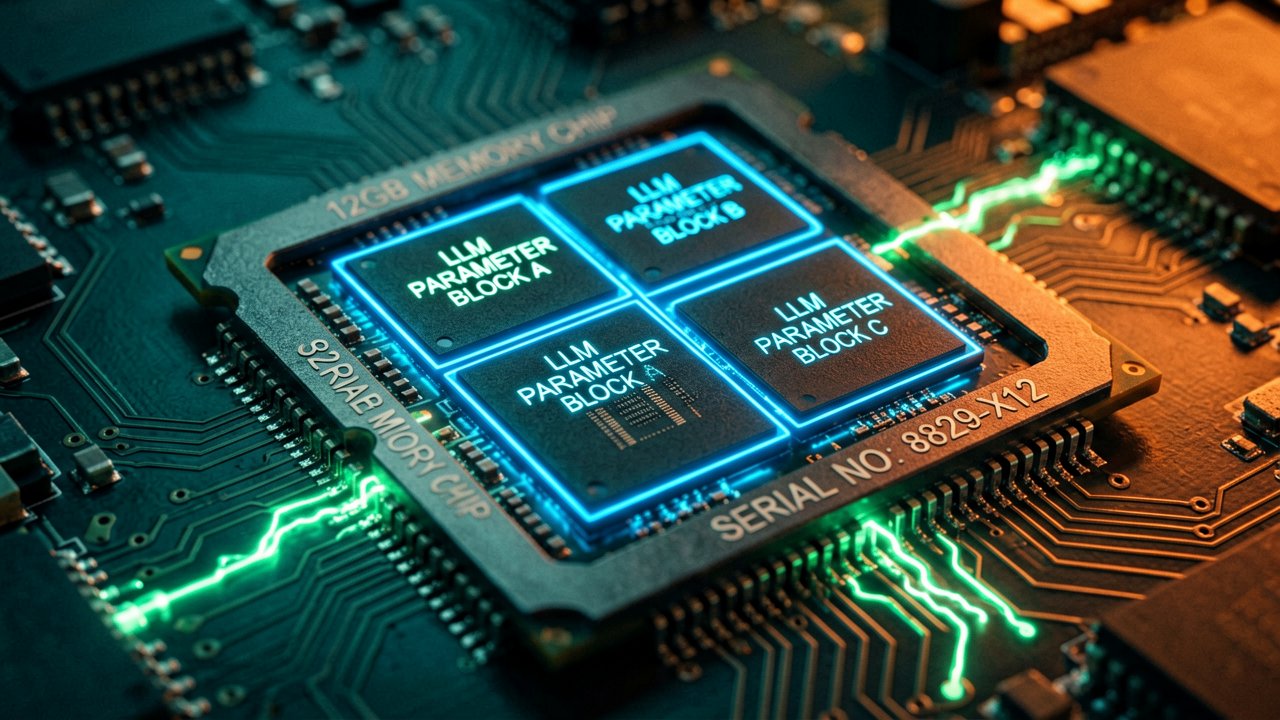
The smartphone market is undergoing a fundamental structural transition, driven by the shift from cloud-dependent processing to localized, on-device artificial intelligence. For years, premium mobile devices relied on 8GB of RAM to comfortably sustain high-end gaming, deep app caching, and heavy multitasking. However, the introduction of next-generation localized large language models (LLMs) has rewritten the hardware playbook, transforming system memory from a general performance metric into a strict operational gatekeeper.
Operating a generative AI ecosystem directly on a handset introduces unique volatile memory constraints that traditional operating systems never had to accommodate. When a device runs an on-device model, a substantial portion of the system memory must be permanently allocated and compressed into an isolated block to guarantee low-latency responses. In practice, running an advanced text and multi-modal model alongside the core Android operating system and active background applications completely exhausts an 8GB memory pool, resulting in aggressive app termination and system instability.
This technical bottleneck is dictating ecosystem strategy and reshaping compatibility standards across major hardware manufacturers. Recent developer disclosures reveal that Google's advanced Gemini Intelligence platform mandates a minimum hardware threshold of 12GB of RAM and specialized architecture to execute local workloads, as detailed by Android Authority. This requirement establishes 12GB as the new baseline for silicon longevity, forcing silicon vendors and original equipment manufacturers to prioritize high-bandwidth memory allocations to keep pace with modern software capabilities.
The Memory Mechanics of On-Device LLMs
Unlike standard applications that dynamically request and release RAM, local AI models require a static, continuous footprint in the volatile memory pool. A typical quantized parameter model requires several gigabytes of memory just to sit idle in a ready state. When a user executes a complex prompt, the context window expands, requiring additional real-time memory to process tokens, retain history, and predict subsequent outputs without introducing noticeable interface lag.

Strategic Implications for Hardware Lifespans
This hardware reality changes how consumer devices age, splitting the market into AI-capable hardware and legacy architectures. Devices utilizing older memory configurations are increasingly locked out of next-generation features, making high-capacity RAM the primary factor in long-term device value. As software suites evolve to integrate ambient AI agents that monitor user contexts in the background, the demand for simultaneous, uncompromised memory access will only intensify, solidifying 12GB of RAM as a structural necessity rather than a premium luxury.
The Hidden Overhead of Mobile Intelligence
Inside the Silicon Calculus: What most standard specification sheets miss is the unseen friction between the system kernel and the dedicated neural processing hardware. In previous smartphone generations, the central processing unit and the graphics accelerator shared a unified memory pool with an implicit agreement that resources were highly fluid. The introduction of localized neural engines upends this dynamic, requiring a rigid partition of high-bandwidth memory that remains completely inaccessible to standard system tasks. When an integrated neural processing unit activates to execute a local vision or language task, it demands guaranteed, unthrodden access to the memory bus, creating a temporary data bottleneck that can choke lower-capacity architectures.
This structural change has altered the financial and engineering calculations inside semiconductor design suites. Component suppliers face a delicate balancing act, navigating a global memory market where the cost of packaging high-density low-power double data rate modules impacts hardware margins. Chipset engineers cannot simply add more memory without considering the thermal implications of sustained data transfer rates across a wider bus width. Consequently, the push toward a twelve-gigabyte standard represents a calculated compromise between the raw mathematical requirements of modern network weights and the physical limitations of pocket-sized device chassis.
From the perspective of application developers and ecosystem orchestrators, this memory threshold dictates the scope of software innovation for the next half-decade. Engineering teams are forced to build artificial ceilings into their software, creating separate, stripped-down models for legacy devices while reserving advanced, contextual agent features for premium memory tiers. This fragmentation complicates the development cycle, as writing code that gracefully downgrades its mathematical precision based on available hardware bytes introduces massive testing overhead. By establishing a higher baseline capacity across mid-tier and flagship devices, the industry intends to unify the development landscape and accelerate the deployment of ambient services that run constantly in the background.

The Planned Obsolescence of the Eight-Gigabyte Fleet
Reading Between the Lines: The aggressive industry push toward a twelve-gigabyte baseline exposes a uncomfortable paradox in consumer tech engineering. For years, hardware manufacturers championed the narrative that software optimization, cloud offloading, and clever virtualization techniques could indefinitely extend the lifespan of modest memory configurations. Yet, the sudden insistence that local artificial intelligence requires massive silicon footprints reveals how quickly those efficiency promises dissolve when marketing priorities shift. This sudden pivot effectively turns perfectly functional premium devices into legacy hardware overnight, exposing a stark contradiction between corporate sustainability pledges and the hardware demands of next-generation operating systems.
A measured skepticism is warranted when examining the commercial motivations behind this technical mandate. While the mathematical reality of hosting localized network weights is undeniable, the engineering rush to mandate higher memory tiers serves as a convenient catalyst for a stagnant smartphone replacement cycle. By tethering the most anticipated software innovations exclusively to high-capacity silicon pools, manufacturers have found a reliable mechanism to compel upgrades from consumers who would otherwise remain satisfied with older hardware. The industry is effectively commoditizing intelligence, using the invisible memory requirements of software agents to build artificial upgrade walls that consumers cannot bypass through software updates alone.
Furthermore, this architectural shift risks creating a deeply fragmented user experience that undermines the seamless nature of modern mobile ecosystems. As developers optimize their applications for devices with ample memory headroom, users stuck on legacy hardware will likely experience accelerated performance degradation, aggressive background app closures, and a widening feature gap. If the industry fails to deliver genuinely transformative utility through these memory-hungry local agents, it risks alienating consumers who sacrificed battery efficiency and paid premium prices for hardware capabilities that fail to justify the real-world trade-offs.
"We spent a decade convincing consumers that their smartphones were powerful enough to send rockets to the moon, only to inform them that they now need a desktop-class memory pool just to generate a slightly more coherent text reply while sitting in traffic."
Artūras Malašauskas is an AI Systems Integrator with 20+ years of production-grade web engineering experience. He has designed, shipped, and scaled enterprise Python/PHP systems for logistics, SaaS, and public-sector clients. For the past year, he has focused exclusively on AI integrations: deploying open-source LLMs, building generative media pipelines (image, audio, video), and engineering multi-agent workflows for real production environments. His standard: reproducibility, security, cost-efficient inference—no vaporware. He documents and evaluates emerging AI tooling, separating verified capabilities from marketing noise. Technical editor at: muza-ai.eu, ai-verslas.lt, ai-naujinos.lt Connect on LinkedIn
Comments