Pope Leo’s Moral Imperative: Navigating the Intersection of Algorithmic Power and Absolute Truth

Pope Leo XIV’s historic first encyclical, Magnifica Humanitas, has forced a critical paradigm shift across the global technology market by demanding a systematic "disarming" of artificial intelligence. By explicitly linking unchecked algorithmic expansion to systemic risks like mass unemployment, automated warfare, and the erosion of truth, the Vatican has established a highly influential ethical framework that directly challenges Silicon Valley's traditional growth-at-all-costs model. This unprecedented papal intervention effectively moves the artificial intelligence conversation beyond standard legislative compliance, reframing AI governance as an absolute prerequisite for maintaining social stability and basic human solidarity.
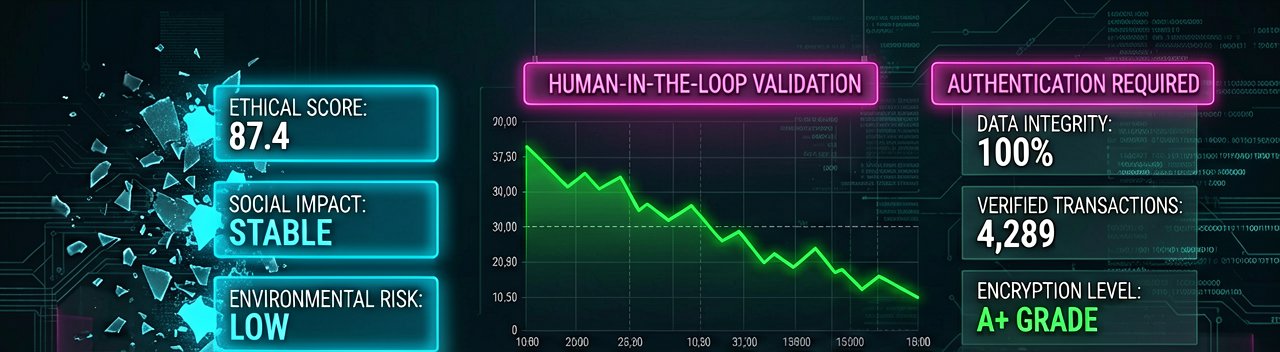
The timing of this encyclical introduces complex variables for tech conglomerates and institutional investors who are currently navigating a highly volatile regulatory landscape. As capital flooding into generative computing infrastructure faces increased scrutiny over carbon footprints and resource consumption, the Vatican’s moral critique adds a significant layer of reputational risk for firms prioritizing rapid deployment over comprehensive safety oversight. Tech leaders are now forced to re-evaluate their long-term development strategies, shifting capital from raw computational scale toward verifiable data integrity, robust algorithmic transparency, and human-in-the-loop validation systems.
As documented by the National Catholic Reporter , this comprehensive moral mandate firmly asserts that lethal or irreversible decisions cannot be surrendered to automated machinery. Consequently, corporate enterprises are rapidly experiencing an operational transition from voluntary ethical guidelines to stringent, measurable accountability standards. This market shift is driving a surge in specialized valuation metrics, where enterprise software sustainability and ethical compliance directly impact long-term corporate credit ratings, global venture capital allocation, and public sector procurement eligibility.
The Emergence of Algorethics as a Market Compliance Mandate
Corporate executive boards can no longer relegate ethical considerations to secondary internal committees or public relations teams. The global tech market is rapidly adopting formalized algorithmic auditing practices to proactively address risks related to algorithmic bias, automated discrimination, and systemic information manipulation. This structural pivot is generating a robust secondary market for third-party AI compliance software, independent safety validation firms, and algorithmic risk mitigation specialists.
Reallocating Venture Capital Toward Socially Responsible Innovation
Institutional investors are actively updating their environmental, social, and governance criteria to mirror the human-centric principles outlined in the new papal document. Investment portfolios are gradually shifting away from highly speculative, unmonitored automation systems toward transparent, human-augmenting software solutions that actively protect the workforce from sudden economic displacement. This reassessment of financial risk is stabilizing market valuations for traditional enterprise technology providers while imposing a clear financial penalty on startups that treat human displacement as a primary efficiency metric.
Beneath the Surface of Algorethics
What Most Reports Miss: The Vatican’s intervention is not merely a philosophical critique but a calculated disruption of the data-broker economy that underpins modern artificial intelligence. While mainstream media focuses heavily on the dystopian warnings of automated warfare, the operational reality for technology firms lies in the encyclical’s direct assault on data harvestation practices. By asserting that human digital footprints carry inherent spiritual and dignity rights, the framework threatens the foundational business models of large language models that rely on the non-consensual scraping of intellectual property and personal histories.
Behind closed doors, Silicon Valley executives are recognizing that the Vatican holds a unique, transnational regulatory power. Unlike regional policies such as the European Union's AI Act, which operates within strict geographical jurisdictions, the moral weight of a papal encyclical influences institutional investors and sovereign wealth funds globally. This has triggered a quiet but intense lobbying effort, with enterprise technology leaders seeking audiences with the Dicastery for Culture and Education to clarify the specific boundaries of acceptable automated decision-making in financial algorithms and human resource software.
The historical precedent for this shift dates back to late-nineteenth-century labor movements, yet the current technological velocity presents an entirely new challenge for economic stability. Industry analysts point out that previous industrial revolutions automated physical labor, allowing human capital to migrate toward cognitive tasks. The current wave of generative technologies directly targets cognitive and creative output, leaving no obvious socioeconomic safety net for displaced workers. This reality has forced a rare alignment between progressive labor unions and conservative theological institutions, both demanding immediate legislative guardrails.
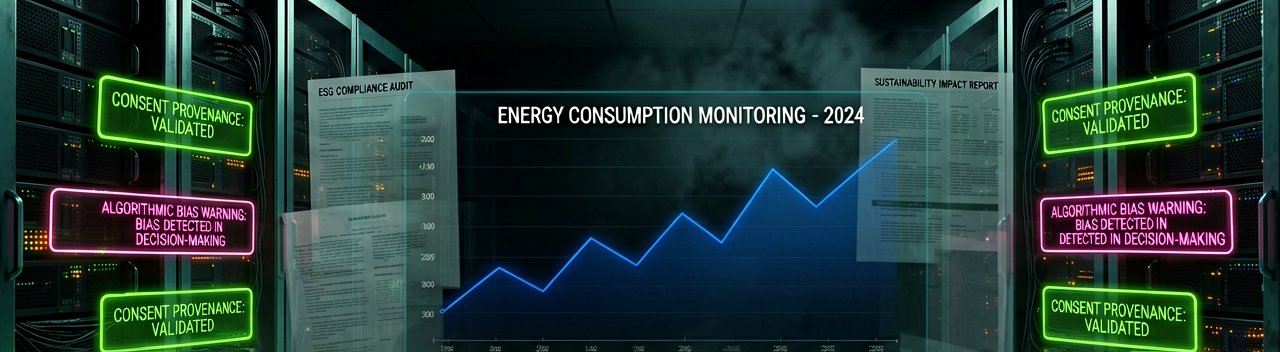
Consequently, the engineering culture within major technology hubs is facing an internal identity crisis. A growing faction of software engineers and research scientists is pushing for a "right to refuse" development on projects that violate human-centric principles, mirroring the conscientious objector movements of the mid-twentieth century. This grassroots labor pushback, combined with institutional investor pressure, is accelerating the development of decentralized, localized machine learning models that prioritize explicit user consent and verifiable data provenance over sheer computational scale.
The Paradox of Technical Piety
Reading Between the Lines: The sudden eagerness of tech conglomerates to embrace the Vatican’s ethical framework masks a deeper corporate strategy aimed at preempting harsher, legally binding government antitrust legislation. By eagerly participating in high-profile ethical summits and adopting the vocabulary of "algorethics," Silicon Valley executives can signal moral compliance while quietly continuing the capital-intensive consolidation of computing infrastructure. This public display of conscience allows dominant market players to present a self-regulating facade, effectively arguing that spiritual guidance and internal ethical committees are sufficient substitutes for strict state-enforced breakups or algorithmic transparency laws.
Furthermore, a glaring contradiction exists between the tech industry’s public commitments to human dignity and its actual capital expenditure. Venture capital inflows continue to favor raw computational scale, aggressively funding larger models that require unprecedented energy consumption and carbon footprints, often at the direct expense of local communities. The market is witnessing a bizarre disconnect where an enterprise can receive high marks from ethical evaluation boards for its theoretical alignment with human-centric principles, even as its data centers strain municipal power grids and water supplies in developing regions.
This gap between rhetoric and reality also exposes the limitations of relying on voluntary moral codes within a fiduciary system that legally prioritizes shareholder returns. While a papal encyclical can temporarily shift public relations strategies, it cannot alter the fundamental economic reality that displacing human labor with automation remains highly profitable. Without statutory penalties or structural financial incentives, corporate adoption of these moral principles is likely to remain superficial, resulting in an era of "ethics washing" where algorithms are wrapped in the language of human solidarity but designed to maximize extraction.
The long-term implication is a fracturing of the global technology ecosystem along ideological lines, rather than purely national borders. As some enterprises integrate these human-centric constraints into their core architecture to retain institutional backing, less regulated markets are moving swiftly to fill the vacuum with unconstrained, highly efficient automated systems. This creates a competitive disadvantage for compliant firms, raising serious doubts about whether a market driven by survival of the fastest can ever truly afford the deliberate, slow-paced verification required to preserve absolute truth.
Silicon Valley's sudden conversion to theological ethics suggests that tech barons have finally discovered something more terrifying than government regulation: the prospect of facing an eternity in a digital purgatory where they are forced to read their own end-user license agreements.
Artūras Malašauskas is an AI Systems Integrator with 20+ years of production-grade web engineering experience. He has designed, shipped, and scaled enterprise Python/PHP systems for logistics, SaaS, and public-sector clients. For the past year, he has focused exclusively on AI integrations: deploying open-source LLMs, building generative media pipelines (image, audio, video), and engineering multi-agent workflows for real production environments. His standard: reproducibility, security, cost-efficient inference—no vaporware. He documents and evaluates emerging AI tooling, separating verified capabilities from marketing noise. Technical editor at: muza-ai.eu, ai-verslas.lt, ai-naujinos.lt Connect on LinkedIn
Comments