Huawei Shakes Up the Mid-Range Fitness Market: WATCH FIT 5 Touches Down in the Philippines
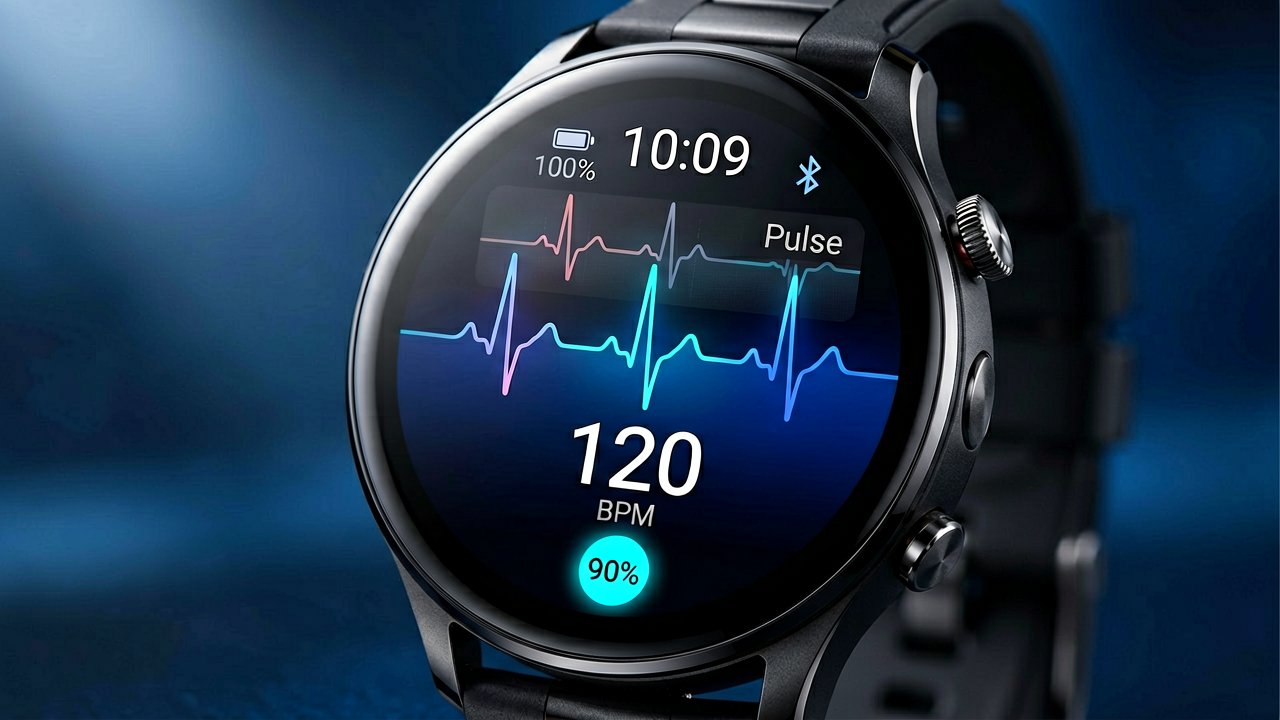
Huawei officially expanded its local wearable lineup on May 22, 2026, introducing the HUAWEI WATCH FIT 5 series to Filipino tech enthusiasts. Serving as the brand's latest play for the highly competitive mid-range smartwatch segment, the standard model arrives with a competitive starting price of Php 8,999. Meanwhile, users looking for an upscale layout can opt for the premium Pro variant, which features advanced health monitoring capabilities and demands a steeper Php 13,999 price tag. The official launch brings enhanced health diagnostics and revamped fitness tracking tools to local consumers who want flagship-level performance without breaking the bank.
What makes this release compelling is how neatly it slides into the ecosystem strategy Huawei has spent years cultivating. By introducing features like an expanded AMOLED display, lightweight design accents, and mini-workout guidance directly onto the wrist, the tech giant is clearly attempting to blur the lines between entry-level trackers and their premium GT series counterparts. Early adopters in the Philippines can already secure the hardware across multiple storefronts, including official channels and leading e-commerce platforms like Shopee and Lazada.
Market Shift and Ecosystem Strategy
The Strategy Shift: While basic fitness bands used to satisfy the casual gym-goer, the contemporary Filipino consumer demands a far more comprehensive wrist companion. Huawei's decision to price the standard model right under the ten-thousand-peso mark is a calculated maneuver aimed straight at capturing urban professionals and fitness enthusiasts who find flagship options prohibitively expensive. This pricing tier allows the brand to aggressively compete with regional rivals while offering hardware materials, such as robust glass protection and crisp displays, that were previously reserved for top-tier portfolios. By closing the functional gap between its budget and luxury offerings, the manufacturer secures its position inside an increasingly crowded market.
Beyond Basic Counting: From a technological standpoint, the true value of these trackers lies in how they translate raw sensory data into actionable health insights. The addition of advanced artificial intelligence models allows the software to offer deeply personalized workout routines and predictive cardiovascular wellness metrics that adapt dynamically over time. Industry insiders point out that the integration of CE-certified electrocardiogram features and pulse wave arrhythmia analysis on the premium Pro variant indicates a broader industry pivot toward preventative digital health tools. Instead of merely recording what a user has already achieved, the software moves toward warning them of potential physical anomalies before they become critical issues.

Platform Versatility: Another critical factor fueling the local adoption of these wearables is their deliberate cross-platform compatibility. Unlike ecosystem players who lock software features behind proprietary hardware walls, Huawei ensures that its companion applications function seamlessly across both Android and iOS devices. This agnostic approach is vital in the Philippines, where mixed-device households are the cultural norm and consumers frequently swap smartphone brands while expecting their peripheral investments to retain full utility. Coupled with multi-day battery endurance that eliminates the anxiety of nightly charging cycles, the device presents a highly pragmatic argument for anyone looking to optimize their daily wellness tracking.
Huawei officially expanded its local wearable lineup on May 22, 2026, introducing the HUAWEI WATCH FIT 5 series to Filipino tech enthusiasts. Serving as the brand's latest play for the highly competitive mid-range smartwatch segment, the standard model arrives with a competitive starting price of Php 8,999. Meanwhile, users looking for an upscale layout can opt for the premium Pro variant, which features advanced health monitoring capabilities and demands a steeper Php 13,999 price tag. The official launch brings enhanced health diagnostics and revamped fitness tracking tools to local consumers who want flagship-level performance without breaking the bank.
What makes this release compelling is how neatly it slides into the ecosystem strategy Huawei has spent years cultivating. By introducing features like an expanded AMOLED display, lightweight design accents, and mini-workout guidance directly onto the wrist, the tech giant is clearly attempting to blur the lines between entry-level trackers and their premium GT series counterparts. Early adopters in the Philippines can already secure the hardware across multiple storefronts, including official channels and leading e-commerce platforms like Shopee and Lazada.
Market Shift and Ecosystem Strategy
The Strategy Shift: While basic fitness bands used to satisfy the casual gym-goer, the contemporary Filipino consumer demands a far more comprehensive wrist companion. Huawei's decision to price the standard model right under the ten-thousand-peso mark is a calculated maneuver aimed straight at capturing urban professionals and fitness enthusiasts who find flagship options prohibitively expensive. This pricing tier allows the brand to aggressively compete with regional rivals while offering hardware materials, such as robust glass protection and crisp displays, that were previously reserved for top-tier portfolios. By closing the functional gap between its budget and luxury offerings, the manufacturer secures its position inside an increasingly crowded market.

Beyond Basic Counting: From a technological standpoint, the true value of these trackers lies in how they translate raw sensory data into actionable health insights. The addition of advanced artificial intelligence models allows the software to offer deeply personalized workout routines and predictive cardiovascular wellness metrics that adapt dynamically over time. Industry insiders point out that the integration of CE-certified electrocardiogram features and pulse wave arrhythmia analysis on the premium Pro variant indicates a broader industry pivot toward preventative digital health tools. Instead of merely recording what a user has already achieved, the software moves toward warning them of potential physical anomalies before they become critical issues.
Platform Versatility: Another critical factor fueling the local adoption of these wearables is their deliberate cross-platform compatibility. Unlike ecosystem players who lock software features behind proprietary hardware walls, Huawei ensures that its companion applications function seamlessly across both Android and iOS devices. This agnostic approach is vital in the Philippines, where mixed-device households are the cultural norm and consumers frequently swap smartphone brands while expecting their peripheral investments to retain full utility. Coupled with multi-day battery endurance that eliminates the anxiety of nightly charging cycles, the device presents a highly pragmatic argument for anyone looking to optimize their daily wellness tracking.
The Realities of the Premium Pivot
Reading Between the Lines: The marketing push surrounding the latest wearable iteration highlights a curious paradox in the consumer tech space. Brands routinely promise that mid-tier hardware can deliver a "flagship experience," yet the steep Php 5,000 premium demanded for the Pro model tells a different story. This pricing disparity reveals a classic industry tension: hardware manufacturers want to democratize advanced wellness tracking, but they must keep their best innovations behind a premium paywall to safeguard profit margins. For the average buyer, deciding between these two models forces a difficult choice between basic metrics and highly specialized clinical features that most people will rarely use after the initial novelty wears off.
Furthermore, the reliance on advanced software algorithms introduces a layer of operational skepticism that standard specification sheets often gloss over. While predictive health diagnostics and AI-driven workout recommendations look impressive in promotional videos, their real-world utility hinges entirely on the consistency of the companion application's backend infrastructure. Mid-range processors often struggle to balance intense sensor polling with smooth UI animations, creating subtle performance bottlenecks during high-intensity training. Consumers are essentially buying into a promise of long-term software support, a commitment that can fluctuate significantly as corporate priorities shift toward newer ecosystem hardware.
There is also the complicated matter of data sovereignty and platform lock-in within the Philippine market. Offering seamless compatibility with third-party operating systems is an excellent way to capture undecided buyers, but it also exposes the inherent limitations of acting as an accessory rather than a core ecosystem hub. Without a deeply integrated native operating system running on the host smartphone, secondary features like quick replies and rich notifications often feel clunky and restricted by the parent platform's security walls. This means the device remains a highly sophisticated health tracker rather than a truly independent smartwatch, a distinction that buyers must carefully weigh against their productivity needs.
"We are rapidly approaching an era where our wristwatches know more about our cardiovascular health than our doctors do, yet we still use them primarily to dismiss calendar invites and count the steps we took to the refrigerator."
Artūras Malašauskas is an AI Systems Integrator with 20+ years of production-grade web engineering experience. He has designed, shipped, and scaled enterprise Python/PHP systems for logistics, SaaS, and public-sector clients. For the past year, he has focused exclusively on AI integrations: deploying open-source LLMs, building generative media pipelines (image, audio, video), and engineering multi-agent workflows for real production environments. His standard: reproducibility, security, cost-efficient inference—no vaporware. He documents and evaluates emerging AI tooling, separating verified capabilities from marketing noise. Technical editor at: muza-ai.eu, ai-verslas.lt, ai-naujinos.lt Connect on LinkedIn
Comments