Samsung’s Foldable Formula Gets a Hard Reboot with Galaxy Z Fold 8 Leaks
Samsung is quietly rewriting its premium smartphone playbook ahead of its high-stakes summer launch. Freshly leaked details originating from the Korean supply chain and deep inside Samsung’s One UI 9 beta code suggest the tech giant is moving away from the single, iteration-heavy book-style foldable format that has defined the series for years. Instead, the company is splitting its flagship lineup into distinct structural variants designed to tackle a tightening luxury market and preempt upcoming industry rivals.
Industry insiders point to a massive shifting of gears scheduled to culminate at a newly relocated Galaxy Unpacked event in London on July 22, 2026. Rather than dropping a lone, iterative upgrade, Samsung’s incoming lineup will distinctly partition the portfolio into a traditional ultra-premium bracket and an experimental, wider alternative. This means the tech landscape will soon see a definitive multi-tier approach aiming to silence critics who have long grown weary of the narrow, cramped external displays on older hardware.
The Strategy Shift: Splitting the Fold
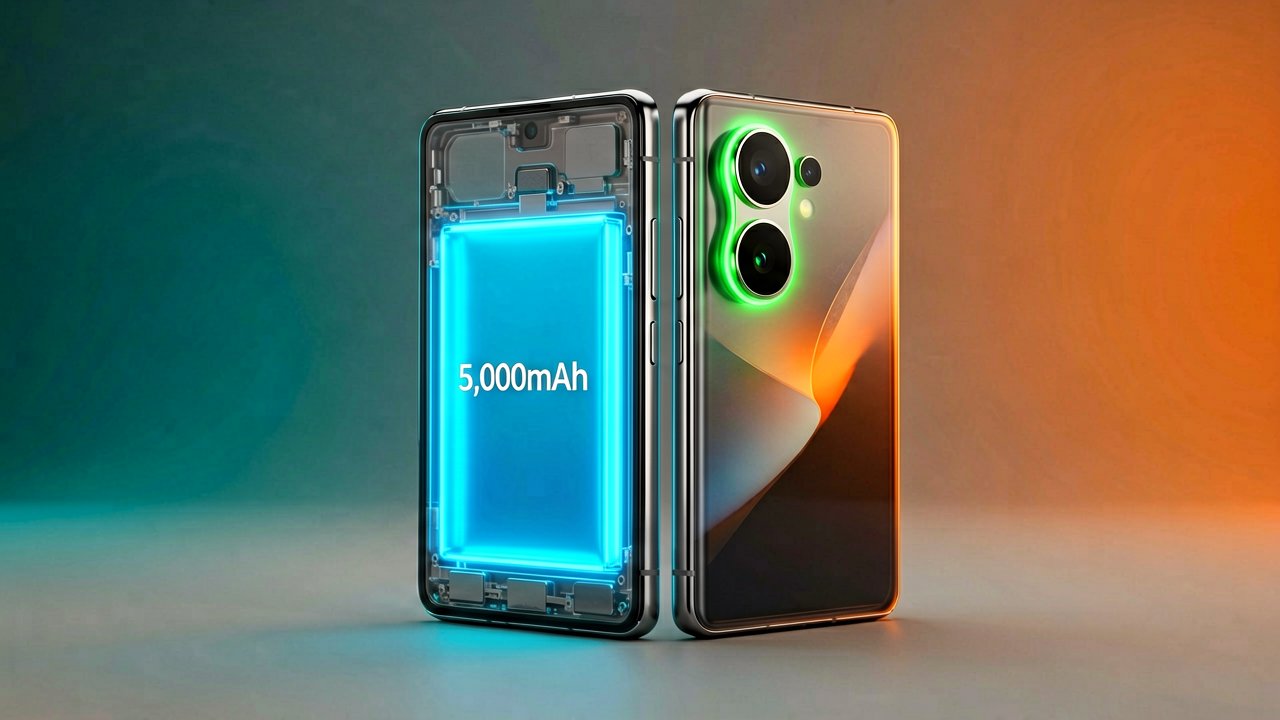
According to comprehensive schematics outlined by Android Headlines, the classic book-style design will likely assume the "Ultra" moniker to serve as the uncompromising, raw-performance powerhouse. This top-tier variant is expected to carry a heavy-duty 5,000mAh battery alongside a 200-megapixel main sensor. Meanwhile, an intriguing secondary model—widely referred to as the Galaxy Z Fold 8 Wide—is set to debut a passport-style 4:3 aspect ratio, dropping the tall, narrow stance of old generations to create a vastly more practical external typing experience.
Specs, Compromises, and Competitive Pressure
While the broader form factor offers an enticing tablet-like canvas when opened, early dummy units show that structural shake-ups always demand structural compromises. Leaks documented by SammyFans reveal that the Wide version might actually omit the 3x telephoto lens entirely, adopting a streamlined dual-camera array to offset production costs and manage device thickness. It is an aggressive gamble on geometry over sheer camera optics, particularly since the device will run on Qualcomm's blistering Snapdragon 8 Elite Gen 5 silicon.

Samsung’s sudden urgency to diversify its portfolio is far from an arbitrary choice. The premium smartphone ecosystem in Europe and North America has grown incredibly hostile, and the looming threat of Apple’s rumored foldable iPhone entry later this year has forced the market leader to act aggressively. By launching a wider, highly optimized tier in July, Samsung is attempting to secure the high ground before its rivals can even pitch their tents.
An Era of Defensive Engineering
Inside the R&D Shift: For half a decade, Samsung comfortably dictated the terms of the foldable smartphone market, operating with the confidence of a pioneer that faced virtually zero meaningful competition outside of mainland China. The engineering ethos of that era was stubbornly iterative, focusing on subtle hinge refinements and incremental bezel reductions while ignoring a growing chorus of consumer complaints regarding the outer screen’s cramped, remote-control-like proportions. Now, according to supply chain sources familiar with Samsung’s Mobile eXperience division, the company’s internal philosophy has pivoted from innovation leadership to an aggressive, defensive holding action as nimble rivals slice away at its global market share.
The sudden diversification into specialized "Ultra" and "Wide" tiers represents a logistical nightmare that Samsung previously fought hard to avoid. Maintaining distinct manufacturing lines for multiple folding form factors severely dilutes the economies of scale that helped make the Z Fold series profitable in the first place. Yet, senior executives reportedly greenlit this fractured strategy after reviewing internal consumer retention data, which signaled a worrying trend: early adopters were increasingly abandoning the ecosystem for wider, thinner book-style devices produced by aggressive hardware competitors.
Historical precedent inside the company suggests this multi-pronged approach is usually a sign of structural anxiety. When the original Galaxy Note series faced an existential crisis due to ballooning display sizes across the broader industry, Samsung similarly fractured the lineup with variations like the short-lived Galaxy Note Edge. By field-testing a radically wider, passport-style chassis under the "Wide" moniker while reserving the familiar, industrial footprint for the ultra-premium tier, the company is attempting to run a live market experiment without alienating the conservative enterprise users who form the bedrock of its current foldable sales.
The technical trade-offs required to realize this dual-device roadmap reveal a sharp internal debate over what modern luxury buyers actually prioritize. Stripping a telephoto lens from the Wide model to manage structural thickness is a massive gamble for a device expected to command a premium price tag, pointing to a stark reality where hardware engineers can no longer bypass the laws of physics. It shows that Samsung is now prioritizing ergonomics and everyday typing utility over raw, spec-sheet dominance, gambling that a superior hand-feel will outweigh a downgraded camera array in the eyes of the mainstream consumer.
The Hidden Cost of Fragmentation
Reading Between the Lines: Samsung’s shift to a bifurcated lineup reads less like a confident masterstroke and more like an admission that the single-device compromise has finally broken down. For years, the company’s marketing narrative insisted that the narrow outer screen was an intentional, ergonomic feature designed for seamless one-handed use. By introducing a wider form factor alongside a traditional model, the brand implicitly acknowledges that its long-held design philosophy was fundamentally flawed, a contradiction that savvy consumers will likely notice when these devices share the same store shelves.
Furthermore, this fractured strategy risks creating a paradox of choice at a time when the foldable market desperately needs simplicity to achieve mainstream adoption. Historically, premium buyers have shown a willingness to pay top dollar for the absolute best a manufacturer can offer, but they are notoriously allergic to compromises on high-ticket items. Forcing a consumer to choose between the cutting-edge 200-megapixel camera of the Ultra or the practical, wider display of the Wide variant could easily lead to buyer paralysis, inadvertently driving premium shoppers into the arms of competitors offering a unified, compromise-free alternative.
From a software perspective, this hardware divergence introduces significant long-term friction for app developers who are already reluctant to optimize for niche folding screens. Forcing the Android developer ecosystem to support yet another distinct aspect ratio—on top of the existing vertical flips and book-style tablets—will likely result in stretched interfaces and unoptimized software experiences at launch. If the core productivity apps fail to scale elegantly on the new 4:3 Wide screen, the hardware’s main selling point evaporates, leaving Samsung with an expensive piece of engineering searching for a software purpose.
Ultimately, this strategic pivot lays bare the intense pressure building from looming ecosystem shifts rather than organic technological evolution. Samsung is no longer fighting for incremental market share against current hardware rivals; it is frantically building a moat to withstand Cupertino's inevitable entry into the foldable arena. The real test of the Galaxy Z Fold 8 generation will not be whether it outperforms its predecessor, but whether this sudden burst of architectural experimentation can convince users to stay locked into the ecosystem before the landscape changes permanently.
“In its quest to perfect the foldable formula, Samsung has essentially decided that if one ultra-expensive chameleon phone cannot please everyone, the only logical solution is to build two of them and hope the customer's wallet stretches as wide as the new display.”
Artūras Malašauskas is an AI Systems Integrator with 20+ years of production-grade web engineering experience. He has designed, shipped, and scaled enterprise Python/PHP systems for logistics, SaaS, and public-sector clients. For the past year, he has focused exclusively on AI integrations: deploying open-source LLMs, building generative media pipelines (image, audio, video), and engineering multi-agent workflows for real production environments. His standard: reproducibility, security, cost-efficient inference—no vaporware. He documents and evaluates emerging AI tooling, separating verified capabilities from marketing noise. Technical editor at: muza-ai.eu, ai-verslas.lt, ai-naujinos.lt Connect on LinkedIn
Comments