Ditch the Net: The Cordless AI Robot That Buys You 30 Days of Perfectly Pristine Water
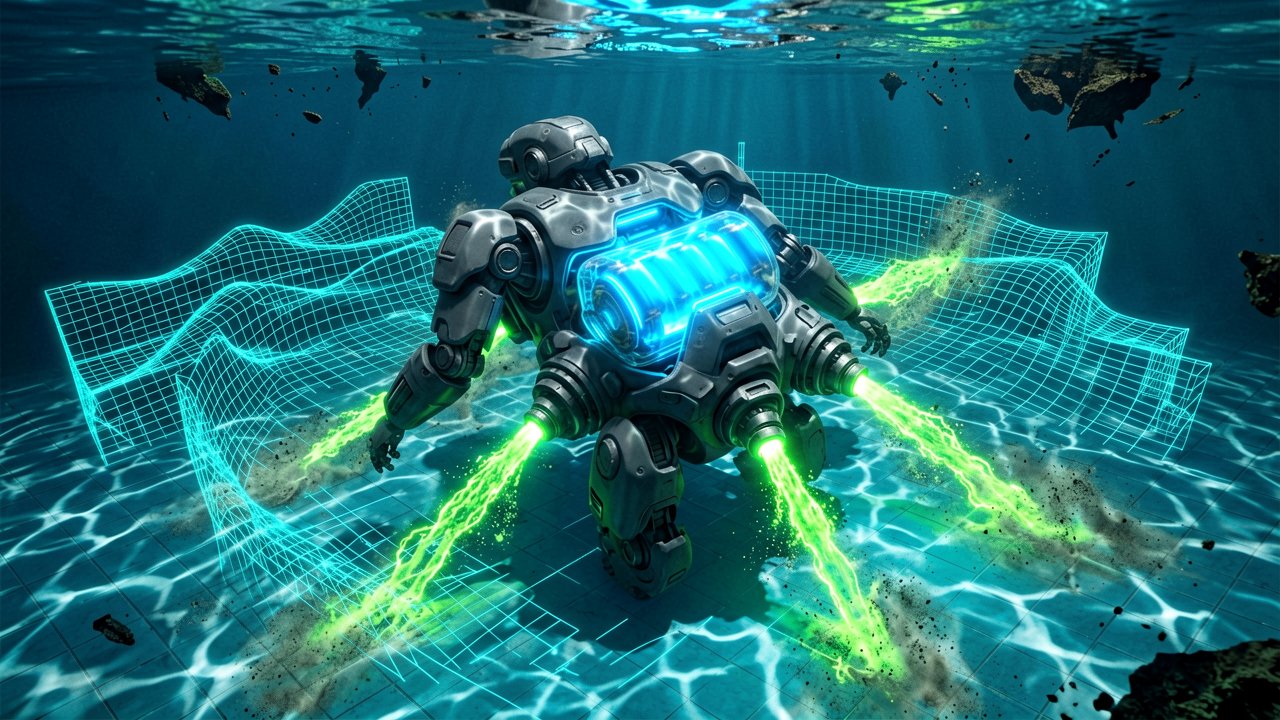
Owning a pool has always carried a frustrating, unwritten contract. You get the luxury of a backyard oasis, but it is paid for in the daily tax of skimming leaves, scrubbing algae, and untangling a chaotic web of vacuum hoses. For decades, the technology barely evolved past basic suction systems or clunky corded units that looked like underwater tractors. But the backyard landscape has shifted. The latest wave of autonomous pool tech is quietly staging a minor revolution, promising to cut the cord entirely while delivering a level of water clarity that manual netting simply cannot match.
Leading this charge is a new breed of highly intelligent, battery-powered water drones engineered to handle everything from deep-floor silt to floating surface debris. By combining high-capacity lithium batteries with multi-zone navigation, devices like the Beatbot AquaSense series and modern Aiper units are systematically eliminating human intervention from pool maintenance. They do not just wander blindly across the plaster; they map the environment, scale vertical walls, and scrub the waterline with mathematical precision.
The Architecture of Autonomous Pool Care
The magic of modern pool automation relies on a delicate balance of processing power and fluid dynamics. Older robotic cleaners were plagued by tangled cables and a frustrating tendency to get stuck on stairs or sun shelves. Today’s cordless robots utilize advanced sonar and ultrasonic mapping arrays to visualize the pool in three dimensions. These sensors remain entirely unaffected by water cloudiness or blinding summer glare, allowing the internal processors to plot a structured, overlapping path that guarantees total coverage.
Equally impressive is how these machines manage their operational runtime. Instead of relying on a constant tether to an outdoor outlet, the newest systems employ massive battery packs and smart scheduling software. According to comprehensive testing by hardware reviewers at WIRED, implementing smart power-management and localized eco-modes allows certain mid-range and premium robots to maintain a pool autonomously for weeks on a single charge. By waking up on a pre-programmed timer, running a highly optimized cycle, and returning to the pool edge for retrieval, they effectively buy homeowners 30 days of pristine water between plug-in charging sessions.

Four-Zone Mastery and Intelligent Recovery
True hands-free maintenance requires a robot capable of cleaning more than just the deep end floor. Premium designs offer comprehensive five-in-one or four-zone maintenance, tackling the floor, structural walls, tile waterlines, and even the water surface itself. These units use specialized water-displacement chambers to shift their buoyancy on the fly. When it is time to clean the surface, twin water jets propel the robot along the top of the pool, pulling floating leaves, pollen, and bugs into a massive onboard filter basket before they can sink and decay.
Retrieval has also ceased to be a backbreaking chore. When a cycle finishes or the battery drops to a critical threshold, the robot automatically activates an internal flotation system. It purges its internal water weight, ascends to the surface, and parks itself squarely against the pool tile. Combined with accompanying mobile applications that track water temperature and cleaning history, the traditional pool net has finally met its match. It turns out the best way to enjoy a pool is simply letting an AI worker handle the dirty work beneath the surface.
Behind the Tech Revolution: The Real Engineering Cost of Perfect Pool Water
What most standard product reviews miss is that liberating a pool robot from its heavy power umbilical cord requires solving a brutal engineering paradox. For decades, pool builders relied on corded booster pumps because water is a punishing medium for heavy machinery. Water creates high hydrodynamic drag, acts as a severe barrier to wireless signals, and destroys electronics through chemical corrosion. Shifting to a cordless, autonomous model requires pool tech engineers to cram heavy lithium-ion batteries, dual-drive motors, and sensitive optical or sonar arrays into a single, perfectly sealed chassis that must remain neutrally buoyant.
This physical reality has completely shifted the industry’s manufacturing priorities over the last three years. Veteran pool hardware designers point out that early cordless models often felt like expensive compromises, frequently dying halfway through a cleaning cycle or getting trapped in deep-end drains. The breakthrough came when manufacturers looked outside the traditional pool industry, adapting brushless motor technologies and smart power-management chips originally developed for commercial quadcopter drones. This cross-industry engineering fusion allowed the robots to calculate the exact torque required to scale a vertical wall without burning through their battery reserve in twenty minutes.
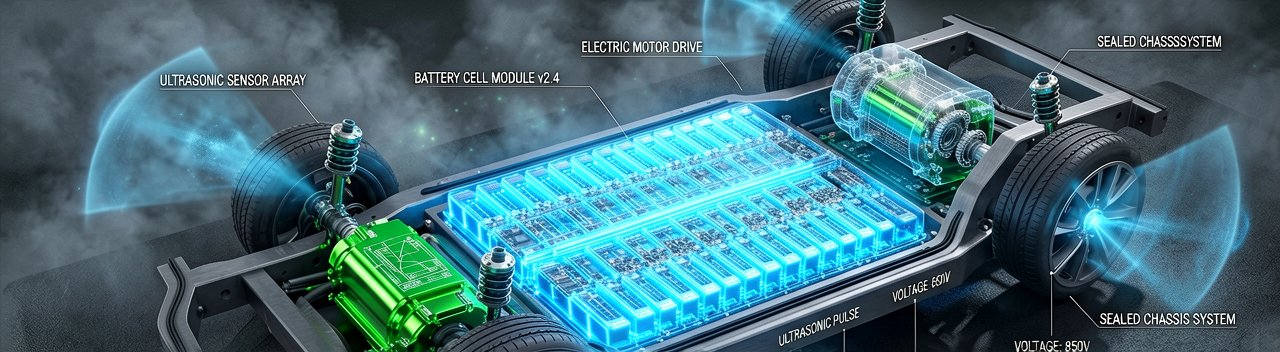
Furthermore, the software brains driving these underwater machines have evolved far beyond the simple bumper-sensor logic of early automated vacuums. A modern premium cleaner runs real-time kinematic positioning or ultrasonic path planning, translating to a highly systematic grid pattern rather than a random bounce. Industry insiders note that this efficiency is what actually unlocks the promised weeks of hands-free operation. By eliminating redundant paths and calculating the absolute shortest route across the plaster, the robot minimizes motor runtime and preserves its battery life for the intensive scrubbing required along the scum line.
There is also an ongoing infrastructure battle happening right at the edge of the pool deck. Because water blocks standard Wi-Fi and Bluetooth signals within a few inches of submersion, creating a seamless smartphone app experience has been a massive hurdle for developers. Current workarounds rely on the robot transmitting its diagnostic data and chemical reports only when it surfaces at the end of a cycle, or using specialized low-frequency acoustic signals to communicate with a floating surface bridge. It is a complex layer of invisible engineering that transforms what used to be a dumb mechanical bucket into a functional node of a modern smart home ecosystem.
Ultimately, the rapid adoption of these AI-driven cleaners reflects a broader cultural shift in how homeowners view luxury property maintenance. The modern consumer is increasingly unwilling to trade their weekend hours for chemical balancing and manual skimming, creating a massive market vacuum that tech companies are eager to fill. While the initial investment for a top-tier cordless unit remains high compared to a traditional pool net, the long-term savings in chemical efficiency, reduced wear on main filtration pumps, and sheer peace of mind have fundamentally changed the mathematics of backyard pool ownership.
Reading Between the Lines: The Hidden Overhead of Hands-Free Submersion
The glossy marketing materials for autonomous pool robots present a flawless vision of the future, but a critical look at the underlying technology reveals some uncomfortable operational realities. The industry eagerly boasts about "30 days of pristine water," yet this timeline conveniently sidesteps the physical limitations of debris capacity. An AI brain can plot the most elegant path across a pool floor, but it cannot bend the laws of physics to compress a massive pile of autumn leaves into a pint-sized internal filter basket. For homeowners with heavy foliage, the reality of a cordless robot is not a month of hands-off luxury, but rather a daily routine of fishing a heavy, waterlogged machine out of the deep end just to empty its trapped payload.
There is also a stark contradiction between the environmental promise of smart home automation and the long-term sustainability of these devices. Traditional pool vacuums are mechanical beasts of burden, relying on simple gears and suction from the main pool pump that can last for a decade with basic maintenance. Conversely, cordless AI robots introduce highly complex motherboard circuits, delicate sensors, and massive lithium-ion batteries into a punishing environment filled with corrosive chlorine, salt, and intense ultraviolet radiation. The tech industry's notorious struggle with battery degradation means that consumers are trading a long-lasting, low-tech tool for a high-priced gadget whose non-replaceable battery cell may degrade significantly within just a few seasons of heavy summer use.
Furthermore, the integration of smart home apps and automated chemical dispensing opens up a fresh debate over data privacy and consumer dependency. Many of the leading autonomous pool brands require constant cloud connectivity to optimize their pathfinding algorithms and deliver firmware updates. This means that a piece of backyard maintenance equipment is actively mapping property dimensions, tracking usage habits, and sending that telemetry back to corporate servers. As these platforms mature, we are likely to see the introduction of subscription models for premium software features, effectively locking the full diagnostic capabilities of your own hardware behind a digital paywall.
This paradigm shift ultimately forces a reevaluation of what "convenience" actually costs the modern consumer. While an intelligent drone undeniably reduces the daily physical labor of skimming and brushing, it replaces that labor with a new set of digital chores, including monitoring battery health, cleaning delicate sensor arrays, and troubleshooting wireless connectivity drops. The automated backyard oasis is certainly closer than it has ever been, but it arrives with the distinct caveat that we are merely exchanging an old-fashioned aluminum pole for an expensive tech support relationship.
"We have successfully replaced the ten-minute chore of skimming the pool with a three-thousand-dollar piece of military-grade underwater hardware that requires its own software updates, a dedicated charging dock, and an app notification just to tell you it got stuck on a stray plastic toy."
Artūras Malašauskas is an AI Systems Integrator with 20+ years of production-grade web engineering experience. He has designed, shipped, and scaled enterprise Python/PHP systems for logistics, SaaS, and public-sector clients. For the past year, he has focused exclusively on AI integrations: deploying open-source LLMs, building generative media pipelines (image, audio, video), and engineering multi-agent workflows for real production environments. His standard: reproducibility, security, cost-efficient inference—no vaporware. He documents and evaluates emerging AI tooling, separating verified capabilities from marketing noise. Technical editor at: muza-ai.eu, ai-verslas.lt, ai-naujinos.lt Connect on LinkedIn
Comments