Google Just Put a Brain in Your Watch: Wear OS 7 and the Gemini Era
Google’s annual developer circus, I/O 2026, might have been dominated by "agentic" AI and fancy glasses, but the real sleeper hit is strapped to your wrist. The search giant has officially pulled the curtain back on Wear OS 7, a major update built on the Android 17 backbone that marks the most significant shift for the platform since the Samsung partnership. It isn't just about smoother animations anymore; Google is essentially trying to turn your smartwatch into a proactive digital butler through the integration of Gemini Intelligence. While the "Gemini on everything" strategy can sometimes feel forced, seeing it land on a device that’s already context-aware by nature makes a lot of sense.
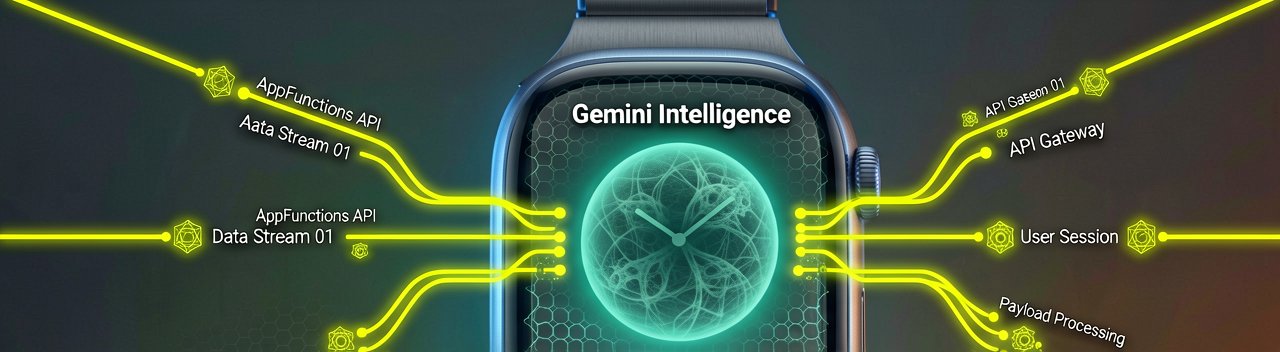
The headline act here is undoubtedly "Gemini Intelligence." According to the Android Developers Blog, select watches launching later this year will feature this deeply integrated AI layer. This isn't just a rebranded Assistant; we’re talking about "proactive and personalized help" that can actually do things for you. Think task automation like placing a DoorDash order or starting a very specific workout track entirely via voice, thanks to the new AppFunctions API. It’s an ambitious play to make the watch a "first-class citizen" in the Android ecosystem rather than just a glowing notification mirror for your phone.
Out With Tiles, In With Widgets
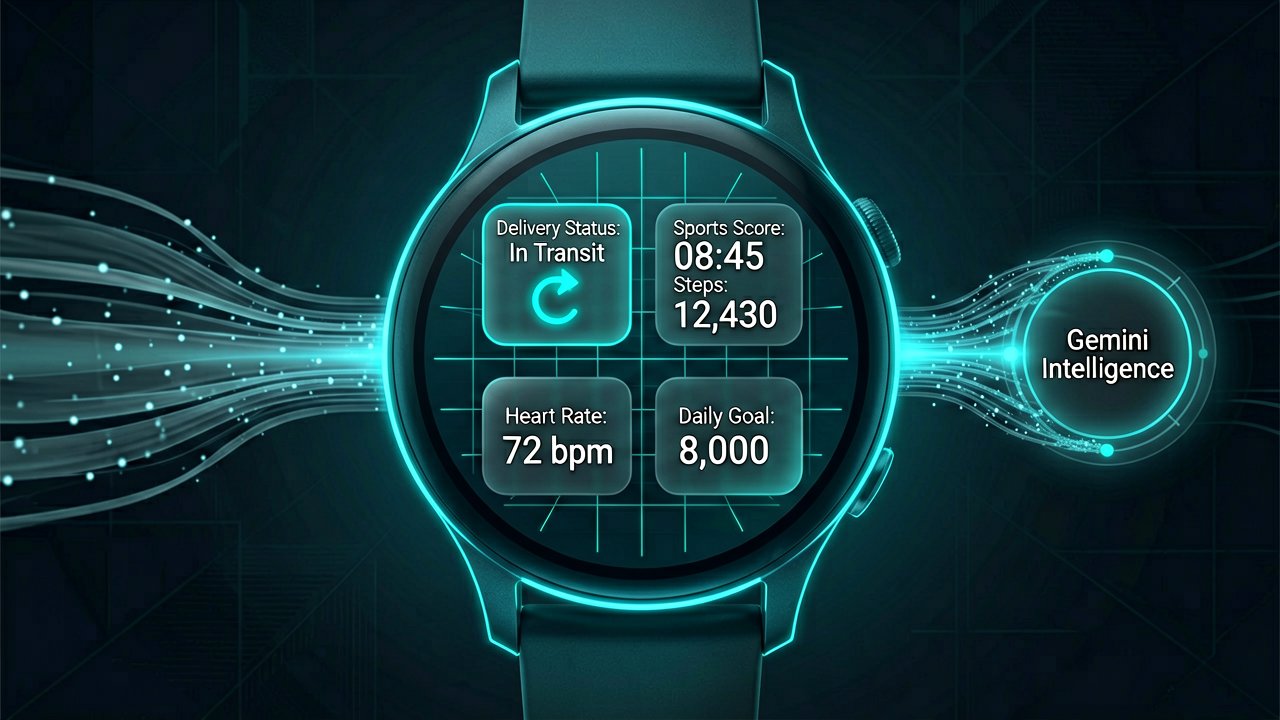
Visually, the biggest change is the death—or at least the demotion—of the full-screen Tiles we’ve grown used to. Google is introducing "Wear Widgets," which borrow the 2x1 and 2x2 grid layouts from your phone's home screen. As reported by The Verge, these widgets are designed to be much more flexible, allowing you to cram more glanceable info like sports scores or delivery statuses onto a single screen. For those of us tired of swiping through a dozen carousel pages just to check the weather and our step count, this layout shift is a godsend for efficiency.
Battery Gains and "Live Updates"
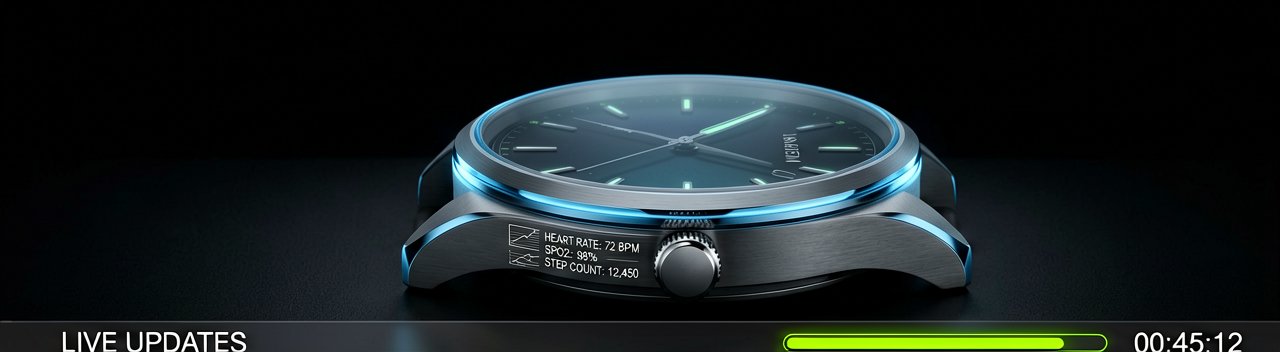
Under the hood, Google is claiming some respectable efficiency gains. The company says that users jumping from Wear OS 6 to Wear OS 7 can expect up to a 10% improvement in battery life on average. That might not sound like much, but on a device that barely survives 24 hours, every milliamp counts. We’re also getting "Live Updates," a feature that brings real-time status bars to the wrist—similar to the Dynamic Island on that other watch—so you can track your Uber’s progress without having to keep an app open. While a stable rollout for supported hardware is expected "later this year," developers can already start poking around the Wear OS 7 Canary Emulator to see how their apps handle the new AI-heavy world.
Google’s annual developer circus, I/O 2026, might have been dominated by "agentic" AI and fancy glasses, but the real sleeper hit is strapped to your wrist. The search giant has officially pulled the curtain back on Wear OS 7, a major update built on the Android 17 backbone that marks the most significant shift for the platform since the Samsung partnership. It isn't just about smoother animations anymore; Google is essentially trying to turn your smartwatch into a proactive digital butler through the integration of Gemini Intelligence. While the "Gemini on everything" strategy can sometimes feel forced, seeing it land on a device that’s already context-aware by nature makes a lot of sense.
The headline act here is undoubtedly "Gemini Intelligence." According to the Android Developers Blog, select watches launching later this year will feature this deeply integrated AI layer. This isn't just a rebranded Assistant; we’re talking about "proactive and personalized help" that can actually do things for you. Think task automation like placing a DoorDash order or starting a very specific workout track entirely via voice, thanks to the new AppFunctions API. It’s an ambitious play to make the watch a "first-class citizen" in the Android ecosystem rather than just a glowing notification mirror for your phone.
Out With Tiles, In With Widgets
Visually, the biggest change is the death—or at least the demotion—of the full-screen Tiles we’ve grown used to. Google is introducing "Wear Widgets," which borrow the 2x1 and 2x2 grid layouts from your phone's home screen. As reported by The Verge, these widgets are designed to be much more flexible, allowing you to cram more glanceable info like sports scores or delivery statuses onto a single screen. For those of us tired of swiping through a dozen carousel pages just to check the weather and our step count, this layout shift is a godsend for efficiency.
Battery Gains and "Live Updates"
Under the hood, Google is claiming some respectable efficiency gains. The company says that users jumping from Wear OS 6 to Wear OS 7 can expect up to a 10% improvement in battery life on average. That might not sound like much, but on a device that barely survives 24 hours, every milliamp counts. We’re also getting "Live Updates," a feature that brings real-time status bars to the wrist—similar to the Dynamic Island on that other watch—so you can track your Uber’s progress without having to keep an app open. While a stable rollout for supported hardware is expected "later this year," developers can already start poking around the Wear OS 7 Canary Emulator to see how their apps handle the new AI-heavy world.
What Most Reports Miss: The Architectural Pivot
The Real Shift Under the Hood: While most headlines focus on the shiny AI features, the true story of Wear OS 7 lies in its aggressive consolidation of the developer experience. By basing the system on Android 17, Google is finally killing the "mobile-lite" stigma that has plagued the platform since the Moto 360 days. This isn't just about sharing code; it’s about the underlying AppFunctions framework. In previous years, a developer had to build an entirely separate logic chain for a watch app to talk to a phone app. Now, Wear OS 7 treats the watch as an edge-computing node for Gemini, allowing the AI to pull data directly from the system’s health and location sensors without the usual handshake latency.
Historically, Google’s wearable strategy has been a series of pivots—from the hands-off approach of early Android Wear to the heavy-handed Samsung partnership of Wear OS 3. Wear OS 7 feels like the first time Mountain View is leaning into its own strengths rather than chasing Apple’s fitness-first model. Industry insiders suggest that the new Gemini-led interface is specifically designed to solve the "input problem." It’s a quiet admission that typing on a tiny screen or scrolling through menus is a failed UX paradigm. By moving toward a proactive, voice-and-widget-first system, Google is betting that users actually want a watch that predicts their needs before they have to touch the glass.
There is, however, a simmering tension among hardware partners like Mobvoi and Fossil, who have struggled to keep up with Google’s rapid-fire versioning. The 10% battery improvement cited in the technical docs is largely tied to a new "Low Power Mode 2.0" that shifts more background tasks to the ultra-low-power co-processor found in newer Snapdragon and Tensor chips. For legacy users, this creates a widening gap between the "AI watches" and everyone else. The requirement for localized AI processing means that even though the software is backward compatible on paper, the smartest Gemini features will likely be gated behind the latest silicon, effectively resetting the upgrade cycle for the entire Android wearable market.
The introduction of the "Live Updates" API also represents a major shift in how Google views "wrist attention." By allowing apps to pin persistent, dynamic bars at the bottom of the watch face, Google is effectively ending the era of the notification buzz. Instead of a vibration that forces you to raise your arm, the goal is for the information to already be there when you look down. It is a subtle but profound change in philosophy—moving from a device that interrupts you to a device that simply informs you. If Google can pull this off without turning the watch face into a cluttered mess of status icons, they might finally have a platform that feels like an extension of the human senses rather than just another screen to manage.
Google’s annual developer circus, I/O 2026, might have been dominated by "agentic" AI and fancy glasses, but the real sleeper hit is strapped to your wrist. The search giant has officially pulled the curtain back on Wear OS 7, a major update built on the Android 17 backbone that marks the most significant shift for the platform since the Samsung partnership. It isn't just about smoother animations anymore; Google is essentially trying to turn your smartwatch into a proactive digital butler through the integration of Gemini Intelligence. While the "Gemini on everything" strategy can sometimes feel forced, seeing it land on a device that’s already context-aware by nature makes a lot of sense.
The headline act here is undoubtedly "Gemini Intelligence." According to the Android Developers Blog, select watches launching later this year will feature this deeply integrated AI layer. This isn't just a rebranded Assistant; we’re talking about "proactive and personalized help" that can actually do things for you. Think task automation like placing a DoorDash order or starting a very specific workout track entirely via voice, thanks to the new AppFunctions API. It’s an ambitious play to make the watch a "first-class citizen" in the Android ecosystem rather than just a glowing notification mirror for your phone.
Out With Tiles, In With Widgets
Visually, the biggest change is the death—or at least the demotion—of the full-screen Tiles we’ve grown used to. Google is introducing "Wear Widgets," which borrow the 2x1 and 2x2 grid layouts from your phone's home screen. As reported by The Verge, these widgets are designed to be much more flexible, allowing you to cram more glanceable info like sports scores or delivery statuses onto a single screen. For those of us tired of swiping through a dozen carousel pages just to check the weather and our step count, this layout shift is a godsend for efficiency.
Battery Gains and "Live Updates"
Under the hood, Google is claiming some respectable efficiency gains. The company says that users jumping from Wear OS 6 to Wear OS 7 can expect up to a 10% improvement in battery life on average. That might not sound like much, but on a device that barely survives 24 hours, every milliamp counts. We’re also getting "Live Updates," a feature that brings real-time status bars to the wrist—similar to the Dynamic Island on that other watch—so you can track your Uber’s progress without having to keep an app open. While a stable rollout for supported hardware is expected "later this year," developers can already start poking around the Wear OS 7 Canary Emulator to see how their apps handle the new AI-heavy world.
What Most Reports Miss: The Architectural Pivot
The Real Shift Under the Hood: While most headlines focus on the shiny AI features, the true story of Wear OS 7 lies in its aggressive consolidation of the developer experience. By basing the system on Android 17, Google is finally killing the "mobile-lite" stigma that has plagued the platform since the Moto 360 days. This isn't just about sharing code; it’s about the underlying AppFunctions framework. In previous years, a developer had to build an entirely separate logic chain for a watch app to talk to a phone app. Now, Wear OS 7 treats the watch as an edge-computing node for Gemini, allowing the AI to pull data directly from the system’s health and location sensors without the usual handshake latency.
Historically, Google’s wearable strategy has been a series of pivots—from the hands-off approach of early Android Wear to the heavy-handed Samsung partnership of Wear OS 3. Wear OS 7 feels like the first time Mountain View is leaning into its own strengths rather than chasing Apple’s fitness-first model. Industry insiders suggest that the new Gemini-led interface is specifically designed to solve the "input problem." It’s a quiet admission that typing on a tiny screen or scrolling through menus is a failed UX paradigm. By moving toward a proactive, voice-and-widget-first system, Google is betting that users actually want a watch that predicts their needs before they have to touch the glass.
There is, however, a simmering tension among hardware partners like Mobvoi and Fossil, who have struggled to keep up with Google’s rapid-fire versioning. The 10% battery improvement cited in the technical docs is largely tied to a new "Low Power Mode 2.0" that shifts more background tasks to the ultra-low-power co-processor found in newer Snapdragon and Tensor chips. For legacy users, this creates a widening gap between the "AI watches" and everyone else. The requirement for localized AI processing means that even though the software is backward compatible on paper, the smartest Gemini features will likely be gated behind the latest silicon, effectively resetting the upgrade cycle for the entire Android wearable market.
The introduction of the "Live Updates" API also represents a major shift in how Google views "wrist attention." By allowing apps to pin persistent, dynamic bars at the bottom of the watch face, Google is effectively ending the era of the notification buzz. Instead of a vibration that forces you to raise your arm, the goal is for the information to already be there when you look down. It is a subtle but profound change in philosophy—moving from a device that interrupts you to a device that simply informs you. If Google can pull this off without turning the watch face into a cluttered mess of status icons, they might finally have a platform that feels like an extension of the human senses rather than just another screen to manage.
Reading Between the Lines: The Hidden Complexity
Reading Between the Lines: The promise of a "proactive" smartwatch powered by Gemini sounds like a tech utopia, but history suggests we should keep our expectations in check. Google’s habit of introducing high-level APIs like AppFunctions often hits a brick wall called developer adoption. For this update to matter, third-party developers need to do more than just skin their existing apps; they have to fundamentally rebuild their notification logic to support the new "Live Updates" framework. If major players like Spotify or WhatsApp don't buy in immediately, the "revolutionary" widgets will just be another set of empty boxes on an expensive piece of jewelry.
Furthermore, the claim of a 10% battery improvement is a classic case of laboratory optimism. This figure is almost certainly calculated under ideal conditions where Gemini is doing the heavy lifting and the screen is staying dark. In the real world, where users will be chatting with their watches and running background widgets, that surplus will likely vanish before lunch. It’s a recurring contradiction in wearable tech: we keep adding power-hungry AI brains to devices that are still fundamentally limited by the chemical physics of tiny lithium-ion cells. We are essentially putting a Ferrari engine in a car with a two-gallon gas tank.
Privacy also remains the elephant in the room that Google is politely ignoring. By allowing Gemini to pull data directly from health sensors to provide "personalized help," Google is creating a biometric goldmine. While they insist all processing is done on-device or within a "secure enclave," the transition to an AI-first OS inevitably means more data is being synthesized than ever before. For a company whose primary business model is data, this isn't just a feature—it’s an acquisition strategy. We are trading the last bastions of our physical privacy for the convenience of a watch that knows we’re hungry for tacos before our stomach does.
Finally, the fragmentation of the Wear OS ecosystem is likely to worsen before it improves. While Samsung and Google’s own Pixel Watch line will reap the benefits of Wear OS 7, smaller manufacturers are being left in the dust by the hardware requirements for on-device AI. This creates a two-tier system where "affordable" smartwatches remain stuck in the notification-mirror era, while "premium" watches become the only way to access the Gemini ecosystem. It’s a measured bet by Google to force the market upscale, but it risks alienating the budget-conscious users who kept the platform alive during the lean years between 2016 and 2021.
"We’ve officially reached the point where our watches have more artificial intelligence than some of our coworkers, yet we still have to charge them every night just to make sure they can tell us it’s raining while we’re standing in a puddle."
Google’s annual developer circus, I/O 2026, might have been dominated by "agentic" AI and fancy glasses, but the real sleeper hit is strapped to your wrist. The search giant has officially pulled the curtain back on Wear OS 7, a major update built on the Android 17 backbone that marks the most significant shift for the platform since the Samsung partnership. It isn't just about smoother animations anymore; Google is essentially trying to turn your smartwatch into a proactive digital butler through the integration of Gemini Intelligence. While the "Gemini on everything" strategy can sometimes feel forced, seeing it land on a device that’s already context-aware by nature makes a lot of sense.
The headline act here is undoubtedly "Gemini Intelligence." According to the Android Developers Blog, select watches launching later this year will feature this deeply integrated AI layer. This isn't just a rebranded Assistant; we’re talking about "proactive and personalized help" that can actually do things for you. Think task automation like placing a DoorDash order or starting a very specific workout track entirely via voice, thanks to the new AppFunctions API. It’s an ambitious play to make the watch a "first-class citizen" in the Android ecosystem rather than just a glowing notification mirror for your phone.
Out With Tiles, In With Widgets
Visually, the biggest change is the death—or at least the demotion—of the full-screen Tiles we’ve grown used to. Google is introducing "Wear Widgets," which borrow the 2x1 and 2x2 grid layouts from your phone's home screen. As reported by The Verge, these widgets are designed to be much more flexible, allowing you to cram more glanceable info like sports scores or delivery statuses onto a single screen. For those of us tired of swiping through a dozen carousel pages just to check the weather and our step count, this layout shift is a godsend for efficiency.
Battery Gains and "Live Updates"
Under the hood, Google is claiming some respectable efficiency gains. The company says that users jumping from Wear OS 6 to Wear OS 7 can expect up to a 10% improvement in battery life on average. That might not sound like much, but on a device that barely survives 24 hours, every milliamp counts. We’re also getting "Live Updates," a feature that brings real-time status bars to the wrist—similar to the Dynamic Island on that other watch—so you can track your Uber’s progress without having to keep an app open. While a stable rollout for supported hardware is expected "later this year," developers can already start poking around the Wear OS 7 Canary Emulator to see how their apps handle the new AI-heavy world.
What Most Reports Miss: The Architectural Pivot
The Real Shift Under the Hood: While most headlines focus on the shiny AI features, the true story of Wear OS 7 lies in its aggressive consolidation of the developer experience. By basing the system on Android 17, Google is finally killing the "mobile-lite" stigma that has plagued the platform since the Moto 360 days. This isn't just about sharing code; it’s about the underlying AppFunctions framework. In previous years, a developer had to build an entirely separate logic chain for a watch app to talk to a phone app. Now, Wear OS 7 treats the watch as an edge-computing node for Gemini, allowing the AI to pull data directly from the system’s health and location sensors without the usual handshake latency.
Historically, Google’s wearable strategy has been a series of pivots—from the hands-off approach of early Android Wear to the heavy-handed Samsung partnership of Wear OS 3. Wear OS 7 feels like the first time Mountain View is leaning into its own strengths rather than chasing Apple’s fitness-first model. Industry insiders suggest that the new Gemini-led interface is specifically designed to solve the "input problem." It’s a quiet admission that typing on a tiny screen or scrolling through menus is a failed UX paradigm. By moving toward a proactive, voice-and-widget-first system, Google is betting that users actually want a watch that predicts their needs before they have to touch the glass.
There is, however, a simmering tension among hardware partners like Mobvoi and Fossil, who have struggled to keep up with Google’s rapid-fire versioning. The 10% battery improvement cited in the technical docs is largely tied to a new "Low Power Mode 2.0" that shifts more background tasks to the ultra-low-power co-processor found in newer Snapdragon and Tensor chips. For legacy users, this creates a widening gap between the "AI watches" and everyone else. The requirement for localized AI processing means that even though the software is backward compatible on paper, the smartest Gemini features will likely be gated behind the latest silicon, effectively resetting the upgrade cycle for the entire Android wearable market.
The introduction of the "Live Updates" API also represents a major shift in how Google views "wrist attention." By allowing apps to pin persistent, dynamic bars at the bottom of the watch face, Google is effectively ending the era of the notification buzz. Instead of a vibration that forces you to raise your arm, the goal is for the information to already be there when you look down. It is a subtle but profound change in philosophy—moving from a device that interrupts you to a device that simply informs you. If Google can pull this off without turning the watch face into a cluttered mess of status icons, they might finally have a platform that feels like an extension of the human senses rather than just another screen to manage.
Reading Between the Lines: The Hidden Complexity
Reading Between the Lines: The promise of a "proactive" smartwatch powered by Gemini sounds like a tech utopia, but history suggests we should keep our expectations in check. Google’s habit of introducing high-level APIs like AppFunctions often hits a brick wall called developer adoption. For this update to matter, third-party developers need to do more than just skin their existing apps; they have to fundamentally rebuild their notification logic to support the new "Live Updates" framework. If major players like Spotify or WhatsApp don't buy in immediately, the "revolutionary" widgets will just be another set of empty boxes on an expensive piece of jewelry.
Furthermore, the claim of a 10% battery improvement is a classic case of laboratory optimism. This figure is almost certainly calculated under ideal conditions where Gemini is doing the heavy lifting and the screen is staying dark. In the real world, where users will be chatting with their watches and running background widgets, that surplus will likely vanish before lunch. It’s a recurring contradiction in wearable tech: we keep adding power-hungry AI brains to devices that are still fundamentally limited by the chemical physics of tiny lithium-ion cells. We are essentially putting a Ferrari engine in a car with a two-gallon gas tank.
Privacy also remains the elephant in the room that Google is politely ignoring. By allowing Gemini to pull data directly from health sensors to provide "personalized help," Google is creating a biometric goldmine. While they insist all processing is done on-device or within a "secure enclave," the transition to an AI-first OS inevitably means more data is being synthesized than ever before. For a company whose primary business model is data, this isn't just a feature—it’s an acquisition strategy. We are trading the last bastions of our physical privacy for the convenience of a watch that knows we’re hungry for tacos before our stomach does.
Finally, the fragmentation of the Wear OS ecosystem is likely to worsen before it improves. While Samsung and Google’s own Pixel Watch line will reap the benefits of Wear OS 7, smaller manufacturers are being left in the dust by the hardware requirements for on-device AI. This creates a two-tier system where "affordable" smartwatches remain stuck in the notification-mirror era, while "premium" watches become the only way to access the Gemini ecosystem. It’s a measured bet by Google to force the market upscale, but it risks alienating the budget-conscious users who kept the platform alive during the lean years between 2016 and 2021.
"We’ve officially reached the point where our watches have more artificial intelligence than some of our coworkers, yet we still have to charge them every night just to make sure they can tell us it’s raining while we’re standing in a puddle."
Artūras Malašauskas is an AI Systems Integrator with 20+ years of production-grade web engineering experience. He has designed, shipped, and scaled enterprise Python/PHP systems for logistics, SaaS, and public-sector clients. For the past year, he has focused exclusively on AI integrations: deploying open-source LLMs, building generative media pipelines (image, audio, video), and engineering multi-agent workflows for real production environments. His standard: reproducibility, security, cost-efficient inference—no vaporware. He documents and evaluates emerging AI tooling, separating verified capabilities from marketing noise. Technical editor at: muza-ai.eu, ai-verslas.lt, ai-naujinos.lt Connect on LinkedIn
Comments