Tactile Perfection: Novation Refines the Only MIDI Controller Built Specifically for FL Studio
For years, producers living in Image-Line’s ecosystem had to settle for generic MIDI controllers that required extensive manual mapping just to get the transport buttons working. That changed when Novation stepped in with the original FLkey, and now, they’ve doubled down on that success. The newly unveiled FLkey 2 range isn’t just a minor refresh; it’s a substantial hardware overhaul that brings the flagship feel of professional studio gear to the "click-and-drag" crowd. By integrating deeper scripts and a more premium chassis, Novation has finally bridged the gap between FL Studio's software-centric workflow and the tactile feedback of a traditional instrument.
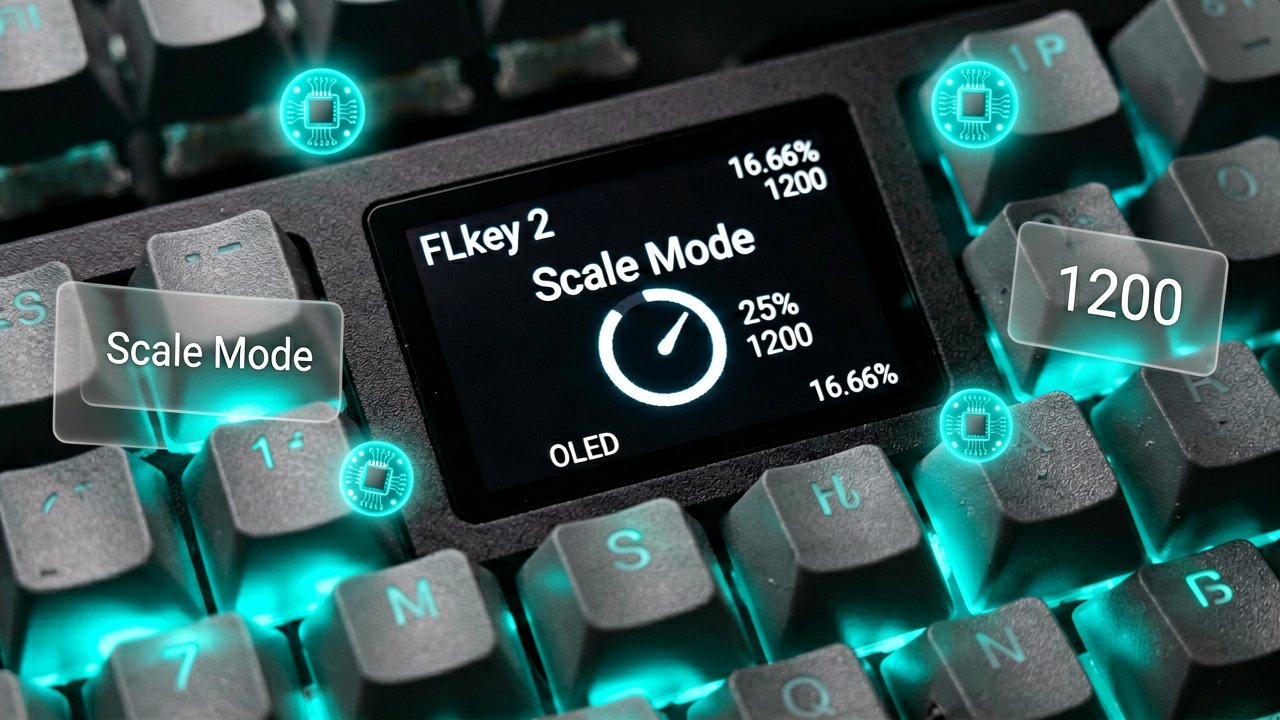
The most immediate upgrade you’ll notice across the lineup—which spans from the 25-key Mini to the full-sized 61-key powerhouse—is the hardware’s physical evolution. Novation has swapped out the basic pots for endless encoders and added a crisp OLED display, providing the kind of visual feedback that keeps your eyes off the computer monitor and on your performance. According to reports from Sound on Sound, the 49 and 61-note models now feature semi-weighted keybeds, a massive win for those who found the original synth-action keys a bit too "toy-like" for serious piano parts or cinematic scoring.
Workflow Without the Mouse
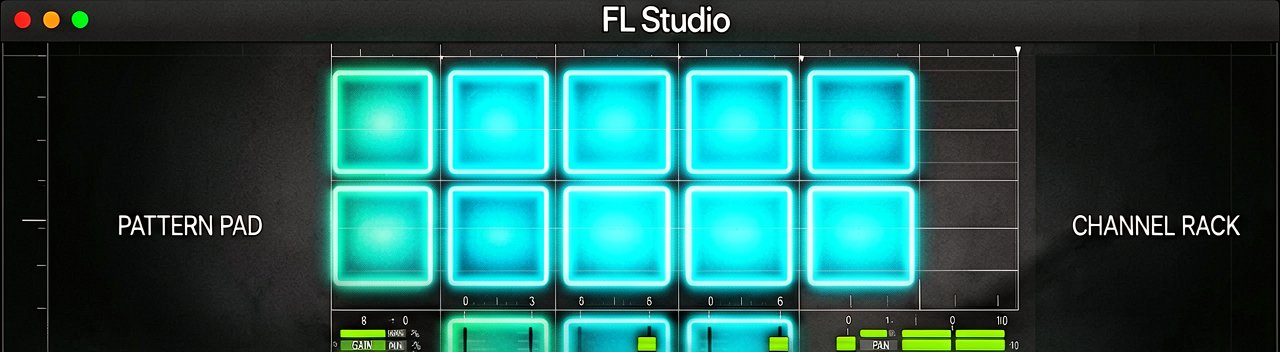
While the hardware is shinier, the real magic lies in how these keys talk to the DAW. The FLkey 2 series introduces a new Pattern Pad mode, allowing producers to select and edit patterns directly from the 16 RGB pads. This cuts out the tedious back-and-forth movement to the Channel Rack for simple sequencing tasks. It’s clear that Novation’s engineers worked closely with the developers at Image-Line, as the integration now covers everything from browsing presets in native plugins like Kepler to controlling the Mixer’s mutes and solos with dedicated fader buttons on the larger models.
A Complete Production Suite in the Box
Novation isn't just selling plastic and sensors; they're pitching a full-blown production environment. As noted by MusicTech, the new range comes bundled with a six-month trial of FL Studio Producer Edition and a curated selection of premium plugins from heavyweights like Native Instruments and GForce. For the bedroom beatmaker, this means the controller essentially pays for itself by providing the software tools needed to start a track from scratch. Whether you're finger-drumming on the high-sensitivity pads or using the built-in Arpeggiator to find a melody, the FLkey 2 feels less like an accessory and more like the definitive centerpiece for the FL Studio experience.
The Evolution of a Specialist: To understand why the FLkey 2 matters, you have to remember the decade of frustration FL Studio users endured while being treated as second-class citizens by hardware manufacturers. For the longest time, "universal" MIDI controllers were built with Ableton Live or Logic Pro as the primary blueprint, leaving the FL community to hack together custom Python scripts just to get their faders to move the right sliders. Novation’s decision to build a bespoke pipeline for the "fruit loops" crowd wasn't just a marketing move; it was a calculated bet on a demographic that had been historically ignored by the high-end hardware market.
What most reports miss is the technical hurdle of integrating with the FL Studio Channel Rack, which functions unlike any other DAW's sequencing system. The FLkey 2 addresses this through a sophisticated MIDI-to-software handshake that finally makes the Step Sequencer feel like a hardware drum machine. Industry insiders note that the shift from standard potentiometers to endless encoders was a direct response to user feedback regarding "parameter jumps." In the first generation, moving a knob would often snap the software value to the hardware's physical position, ruining a delicate mix. The new encoders allow for relative adjustments, meaning your volume and pan levels stay smooth no matter where you left the physical dial.
From a historical perspective, Novation is leveraging their experience with the Launchkey series to refine the FLkey’s physical footprint. By adopting the "MK4" chassis design for this second iteration, they’ve standardized their manufacturing while giving FL users access to premium components previously reserved for general-purpose controllers. Stakeholders at Image-Line have hinted that this hardware synergy is part of a broader push to move FL Studio away from its reputation as a "bedroom-only" software and into professional studio environments where physical consoles and tactile control are non-negotiable requirements for speed and precision.
The addition of the OLED screen is perhaps the most significant "quality of life" upgrade for the power user. In previous iterations, you were flying blind, relying on muscle memory or constant glances at the monitor to know which plugin parameter you were tweaking. Now, the screen provides instant feedback for the Scale and Chord modes, which have been expanded to include generative features. This allows producers to explore complex harmonic structures without needing a degree in music theory, effectively turning the controller into a collaborative tool rather than a simple input device.
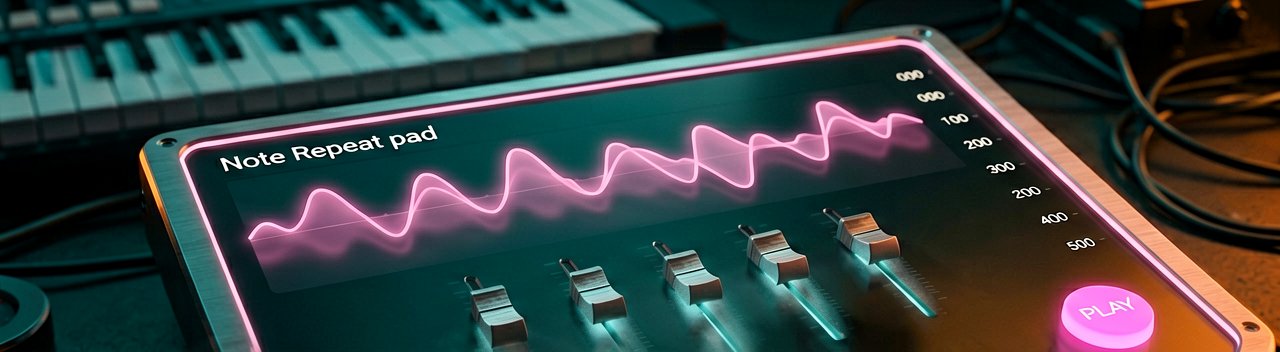
Beyond the internal mechanics, the inclusion of a dedicated "Note Repeat" function on the pads is a massive nod to the trap and hip-hop producers who dominate the FL Studio user base. This feature, historically associated with standalone MPC hardware, allows for the easy creation of hi-hat rolls and rhythmic stutters that are the hallmarks of modern urban production. By baking these performance-oriented tools directly into the hardware, Novation has created a workflow where the computer acts more like a high-powered sound module and less like a distracting workstation.
Ultimately, the FLkey 2 represents a maturation of the partnership between hardware and software developers. According to technical deep-dives from MusicRadar, the integration now extends to the "Score Log" feature, allowing users to dump captured MIDI directly to the timeline via hardware shortcut. This level of granular control suggests that the future of the platform lies in these specialized, "locked-in" ecosystems where the hardware and software are essentially two halves of the same instrument.
The Hidden Cost of Integration
Reading Between the Lines: While the FLkey 2 is being hailed as the ultimate liberation from the mouse and keyboard, there is an inherent contradiction in the "seamless integration" narrative. By deepening the hardware-to-software lock-in, Novation is effectively creating a golden cage for producers. While the tactile feedback is unparalleled for native Image-Line plugins, the experience often becomes jarringly generic the moment a user reaches for a heavy-hitting third-party VST like Serum or Kontakt. The OLED screen, so vibrant when browsing internal presets, can quickly revert to a blank slate or a cryptic list of generic CC parameters, reminding the user that "custom-built" often means "exclusively-built."
There is also the question of planned obsolescence versus genuine innovation. The transition to endless encoders is a welcome fix for a glaring flaw in the first generation, yet it raises skepticism about why such an industry-standard feature was omitted in the first place. Skeptics might argue that the original FLkey was a pilot program designed to test market appetite, leaving early adopters with a device that feels significantly more dated than its two-year lifespan would suggest. This rapid iteration cycle mimics the smartphone industry more than the traditional instrument market, where a high-quality MIDI controller was once expected to serve a studio for a decade without feeling like a legacy product.
Furthermore, the push toward "generative" features and simplified chord modes highlights a shifting philosophy in music production. By baking complex music theory shortcuts directly into the silicone, Novation is catering to a generation of "producers" who may never learn to play a physical scale. This isn't necessarily a negative, but it does project a future where the "sound" of FL Studio becomes even more homogenized. If every user is using the same scale-lock and the same hardware-driven arpeggiator patterns, the software’s unique "swing" risks becoming a predictable template rather than a creative choice. The implication is a narrowing of the creative funnel—speeding up the workflow while potentially flattening the learning curve into a plateau.
Finally, we have to look at the competitive landscape. With the Rise of MIDI 2.0 and the looming promise of universal auto-mapping, Novation’s heavy investment in a proprietary script for a single DAW might eventually look like a bet on the wrong horse. If the industry moves toward a future where any controller can talk to any software with full bi-directional feedback, the "made for" branding loses its luster. For now, however, Novation is banking on the fact that FL Studio users are a fiercely loyal bunch who would rather have a perfect experience today than a universal one tomorrow.
The FLkey 2 is the perfect tool for the producer who wants to spend less time staring at a computer screen and more time staring at a slightly smaller, more expensive screen on their desk, proving that while you can finally take your hands off the mouse, your wallet remains firmly in Novation’s grip.
Artūras Malašauskas is an AI Systems Integrator with 20+ years of production-grade web engineering experience. He has designed, shipped, and scaled enterprise Python/PHP systems for logistics, SaaS, and public-sector clients. For the past year, he has focused exclusively on AI integrations: deploying open-source LLMs, building generative media pipelines (image, audio, video), and engineering multi-agent workflows for real production environments. His standard: reproducibility, security, cost-efficient inference—no vaporware. He documents and evaluates emerging AI tooling, separating verified capabilities from marketing noise. Technical editor at: muza-ai.eu, ai-verslas.lt, ai-naujinos.lt Connect on LinkedIn
Comments