The Rise of the Robotic Renovator: Cherie Barber’s High-Tech Flip
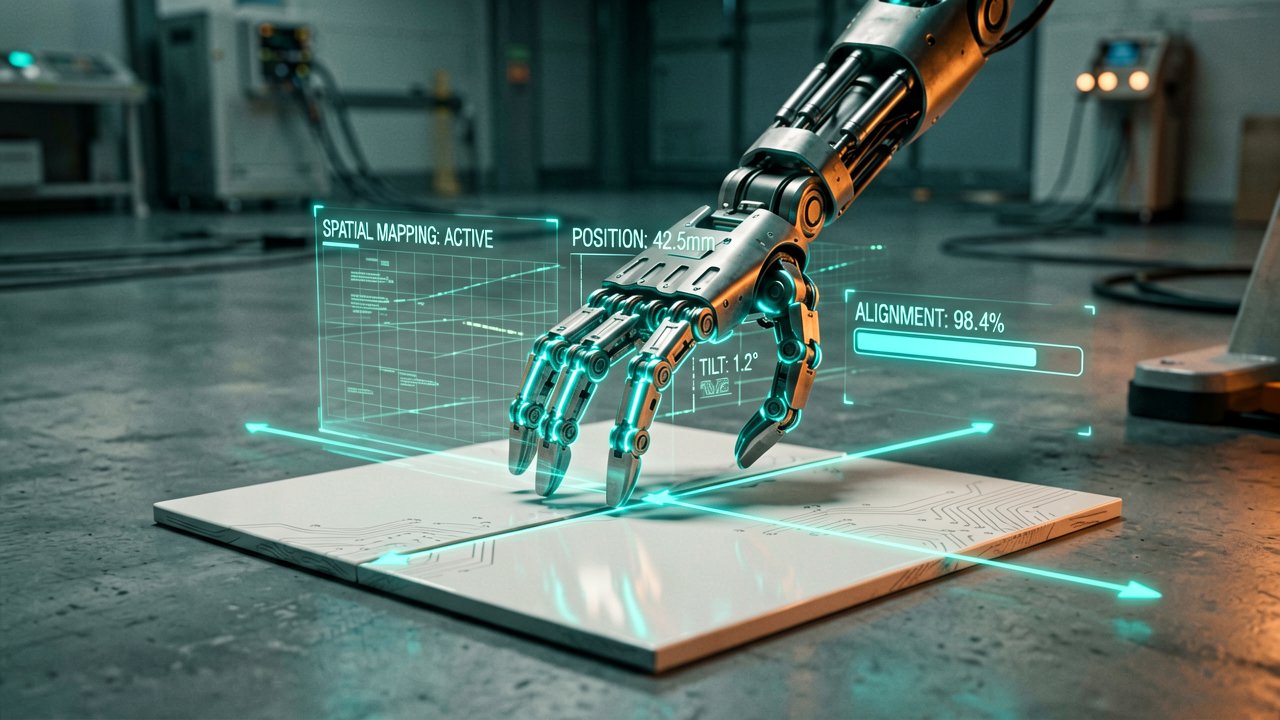
Just when you thought the Australian property market couldn't get any more futuristic, Cherie Barber—the woman we’ve known for decades as the "Renovation Queen™"—has decided to flip the script entirely. In what feels like a scene ripped straight from a Silicon Valley fever dream, Barber has officially pulled the curtain back on a world-first: an AI-driven humanoid robot designed specifically for the grueling, dusty world of home renovation. This isn't just a gimmick for the cameras; it’s a full-throttle leap into the next era of construction technology.
The Dawn of the Digital Tradesman
The announcement came during the premiere of her latest groundbreaking Aussie reno show, where the typical cast of hammer-wielding tradies shared the spotlight with a sleek, bipedal machine. While we’ve seen AI make inroads in design software and project management, seeing a humanoid actually navigating a live site is a different beast altogether. Barber, who has built an empire teaching Aussies how to manufacture equity, seems to be betting that the future of profit lies in automation. As noted by industry watchers at Renovating For Profit, this move signals a shift from traditional elbow grease to high-tech precision.
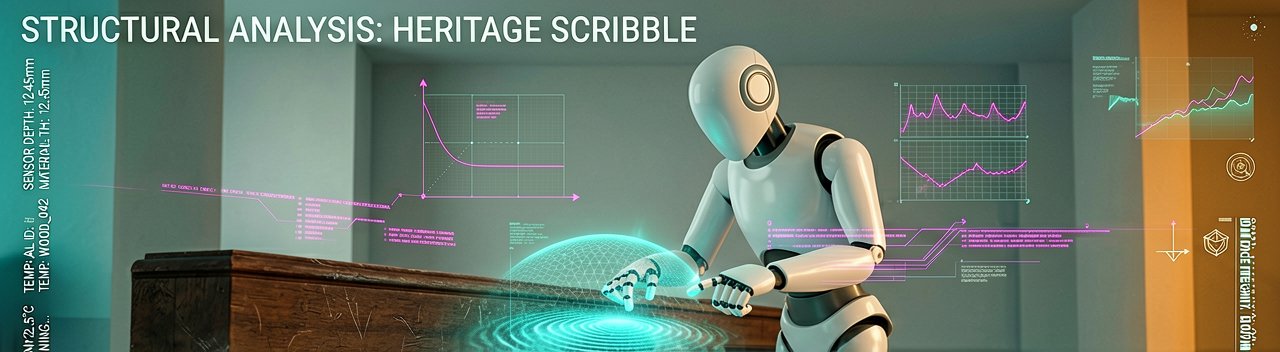
The robot itself is a marvel of engineering. It’s equipped with advanced spatial mapping and haptic sensors that allow it to perform tasks that would usually leave a human builder with a sore back. We’re talking about precision tiling, consistent painting, and the kind of structural analysis that happens in milliseconds. It’s a bit jarring to see a robot "feeling" its way around a heritage skirting board, but the efficiency gains are hard to argue with. In a market where labor shortages are the norm, Barber’s tech-first approach feels less like science fiction and more like a necessary pivot.
Disrupting the "Aussie Reno" Formula
What makes this particularly spicy is how it upends the classic Australian renovation show format. We’re used to the drama of missed deadlines and budget blowouts caused by human error. By introducing an AI humanoid, Barber is effectively removing those variables. It brings up a fascinating, if slightly uncomfortable, conversation about the role of human craftsmanship in an increasingly automated world. Does a home still have "soul" if a robot laid the foundation? It’s a question that tech enthusiasts and traditionalists will be arguing over for years to come.
According to reports from News.com.au, the integration of this technology on-screen is intended to showcase how AI can work alongside human experts rather than replacing them entirely. The "Queen" herself seems convinced that this is the only way forward for professional flippers looking to scale their operations. Whether the Australian public is ready to swap their local sparky for a humanoid remains to be seen, but Barber has never been one to shy away from a bold move.
Ultimately, this isn't just about a robot; it’s about the democratization of high-end tech in the most relatable sector of the economy: our homes. Barber has always had a knack for spotting the next big trend before it hits the mainstream, and if this humanoid robot is any indication, the "Renovation Queen" is planning to keep her crown in the digital age. It's a brave new world for the Aussie backyard, and frankly, I'm just waiting to see if the robot knows how to brew a decent tea for the morning smoko.
The Silicon Valley of the Suburbs: While the headlines are busy buzzing about the shiny chrome exterior of Barber’s new mechanical co-star, the real story lies in the years of quiet R&D that transformed a "what if" into a working prototype. This isn't a rebranded toy from a tech expo; it is the culmination of strategic partnerships between Australian roboticists and property veterans who realized that the domestic construction sector was ripe for a digital coup d'état. For Barber, this move bridges the gap between her historical focus on "cosmetic" flipping and the deep-tissue structural challenges that often sink a budget.
The Tradie-Tech Tension
Behind the scenes, the arrival of a humanoid on a local job site hasn't been without its friction. Industry insiders suggest that early filming sessions were met with a mix of awe and healthy skepticism from the veteran site foremen. There is a palpable tension between the romanticized "Aussie Tradie" culture—built on intuition, grit, and decades of passed-down wisdom—and the cold, calculated efficiency of an AI that doesn't need a lunch break or a weekend off. It’s a classic narrative of disruption that journalists at Property Observer have noted is beginning to permeate even the most traditional sectors of the economy.
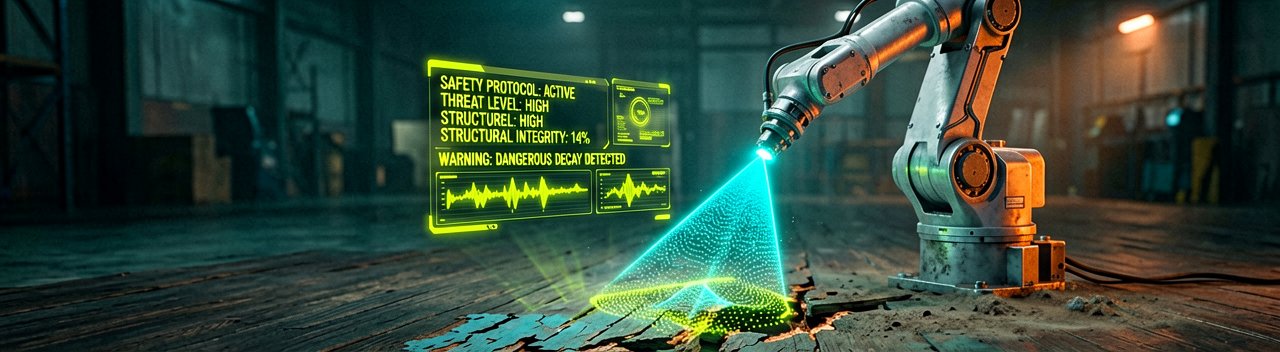
However, the stakeholder perspective isn't just about displacement; it's about safety. One of the primary drivers for this humanoid's development was the mitigation of high-risk tasks. Think about asbestos identification or working in cramped, structurally unsound sub-floors where human risk is at its peak. By deploying a machine that can relay 360-degree LIDAR data back to a human operator, Barber is effectively repositioning the "Renovation Queen" brand as a champion of site safety and technological literacy. It's a savvy pivot that turns a potential PR nightmare into a masterclass in modern risk management.
Legacy Meets Logistics
Historically, Cherie Barber has always been a disruptor. When she first hit the scene, she was criticized for suggesting that a house could be "manufactured" for profit rather than just lived in. This AI launch is the logical evolution of that philosophy. If you can standardize the labor, you can standardize the profit margins. According to insights from RealEstate.com.au, the scalability of this tech could eventually mean that the "Barber Method" isn't just taught in seminars, but downloaded directly into a fleet of machines that execute her vision with millimeter precision.
The long-game here is clearly about data. Every movement the robot makes, every wall it sands, and every tile it lays is being fed back into a central neural network. We are witnessing the birth of a proprietary database of Australian residential construction—a goldmine for developers and insurers alike. While the show focuses on the "wow" factor of a walking robot, the real value is being built in the cloud. As this season unfolds, it will be fascinating to see if the human touch remains the gold standard, or if we are watching the final days of the manual renovation era as we know it.
The Great Automation Gamble: Beneath the polished exterior of Barber’s AI-enhanced makeover, a significant question lingers: is this a genuine revolution or merely high-concept theatre for the ratings? While the visual of a robot swinging a hammer is undeniably potent, the "Queen" is stepping into a logistical minefield. Modern renovation is famously chaotic—a symphony of uneven walls, non-standard plumbing, and "surprises" hidden behind 1950s plasterboard. To assume a humanoid can navigate the messy reality of a suburban fixer-upper with the same fluidity as a human expert is to ignore the inherent unpredictability of the Australian building site.
A Contradiction in Craftsmanship
There is a delicious irony in using a machine to "manufacture equity." Historically, the value of a high-end renovation has been tied to the "hand-finished" quality—the bespoke touch that justifies a premium sale price. If Barber moves toward a fully automated model, she risks commoditizing the very art form she spent decades elevating. Industry skeptics at The Australian Financial Review have often pointed out that while efficiency drives down costs, it can also lead to a "cookie-cutter" aesthetic that savvy buyers eventually reject. The contradiction is clear: can you maintain the prestige of the Barber brand if the "magic" is nothing more than a pre-programmed algorithm?
Furthermore, we have to talk about the "Tradie Gap." Even if this robot can lay a perfect row of subway tiles, it cannot negotiate with a local council, soothe a nervous neighbor, or make the split-second aesthetic calls that define a successful flip. The implication that AI can master the *politics* of renovation is a stretch, even by Silicon Valley standards. We are likely looking at a future where the robot is merely a glorified power tool—impressive, yes, but still entirely dependent on a human brain to tell it when a design just doesn't "feel" right.
The Cost of the Future
Finally, there’s the cold, hard math. The "Renovation Queen™" has always preached the gospel of the tight budget, but the capital expenditure required to deploy, maintain, and insure a humanoid robot is astronomical compared to a daily rate for a skilled laborer. For the average "mum and dad" flipper watching at home, this technology remains an untouchable fantasy. As noted by property analysts at CoreLogic, the barrier to entry for this kind of tech ensures that, for now, the revolution will not be decentralized. It remains a tool for the elite, leaving us to wonder if this is a glimpse of the future or just a very expensive piece of set dressing.
Ultimately, the success of this venture hinges on whether the AI can handle the "ugly" parts of the job—the dust, the damp, and the inevitable human errors it was built to avoid. If it fails, it’s a pricey gimmick; if it succeeds, it fundamentally alters the DNA of the Australian dream. But in a world where we still can't get a robot vacuum to handle a high-pile rug without a meltdown, I’ll believe in the robotic master-builder when I see it successfully argue its way through a site inspection.
Regardless of where you stand on the rise of the machines, you have to hand it to Barber: she’s found a way to make watching paint dry—or in this case, watching a robot apply it—the most talked-about event in Aussie real estate. It’s bold, it’s slightly terrifying, and it’s quintessentially Barber.
"We’ve officially reached the point where the robot might be better at the tiling than the apprentice, but until it can figure out how to lean against a ute and look busy while the boss isn't looking, the Australian tradie’s job is probably safe."
Artūras Malašauskas is an AI Systems Integrator with 20+ years of production-grade web engineering experience. He has designed, shipped, and scaled enterprise Python/PHP systems for logistics, SaaS, and public-sector clients. For the past year, he has focused exclusively on AI integrations: deploying open-source LLMs, building generative media pipelines (image, audio, video), and engineering multi-agent workflows for real production environments. His standard: reproducibility, security, cost-efficient inference—no vaporware. He documents and evaluates emerging AI tooling, separating verified capabilities from marketing noise. Technical editor at: muza-ai.eu, ai-verslas.lt, ai-naujinos.lt Connect on LinkedIn
Comments