XMAQUINA Launches DEUS Token on Base Blockchain for Web3 Robotics
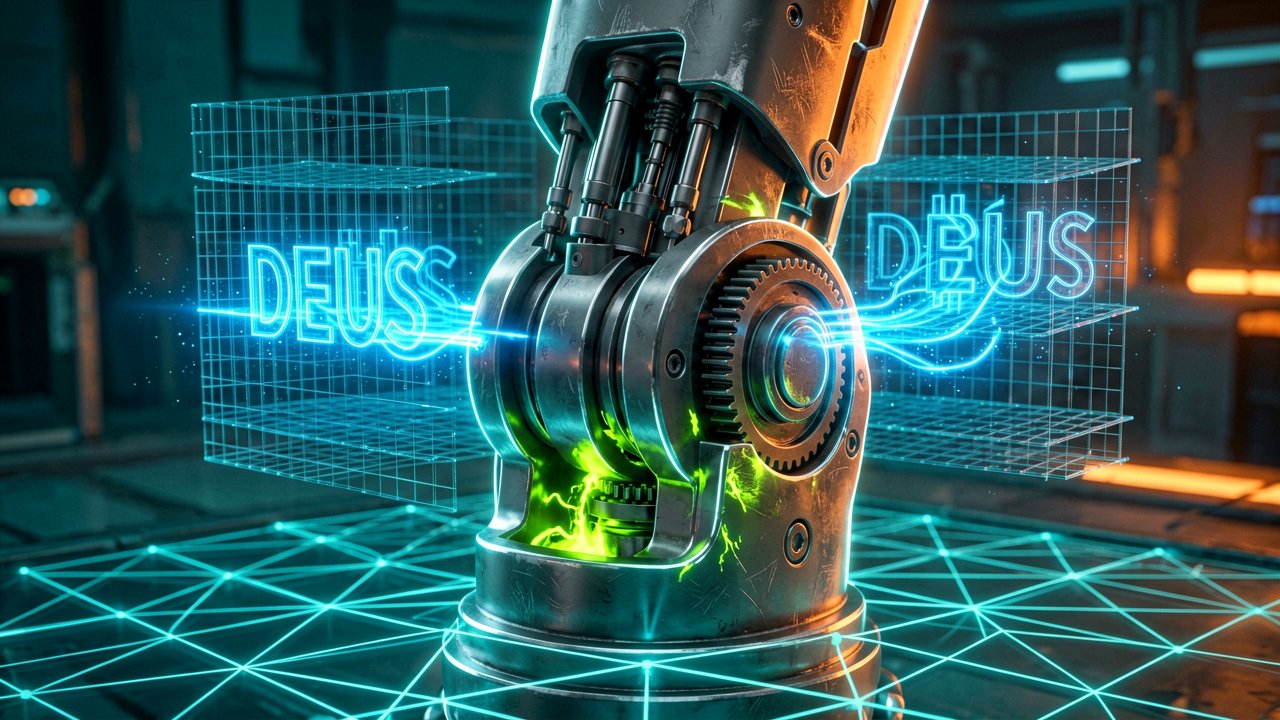
The decentralized autonomous organization XMAQUINA has officially deployed its DEUS token on the Base blockchain, marking a significant expansion of its Web3 robotics investment platform. The integration enables community members to participate in the ownership and governance of real-world robotics and automation technologies through on-chain mechanisms.
According to the platform's official documentation, XMAQUINA launched in August 2025 as a DAO focused on blending physical robotics with decentralized finance. The company website describes the platform as providing "decentralized access to humanoid robotics" by allowing users to gain early exposure to leading robotics companies before they disrupt trillion-dollar industries.
The DEUS token serves multiple functions within the ecosystem. Holders can stake the token to contribute funds for AI project investments, vote on which robotics projects the DAO should allocate capital to, conduct peer-to-peer crypto transactions, and receive rewards from redistributed investment revenues. This creates a feedback loop where community decisions directly influence the portfolio composition.
Base blockchain was selected for its technical advantages over other networks. The Ethereum Layer-2 solution offers lower transaction fees, faster network processing, and access to a large existing Web3 user base. These characteristics matter when users are interacting with the platform regularly—clicking through governance proposals, staking tokens, or checking portfolio performance without waiting through slow confirmations (something that has plagued users on congested networks for years, frankly).
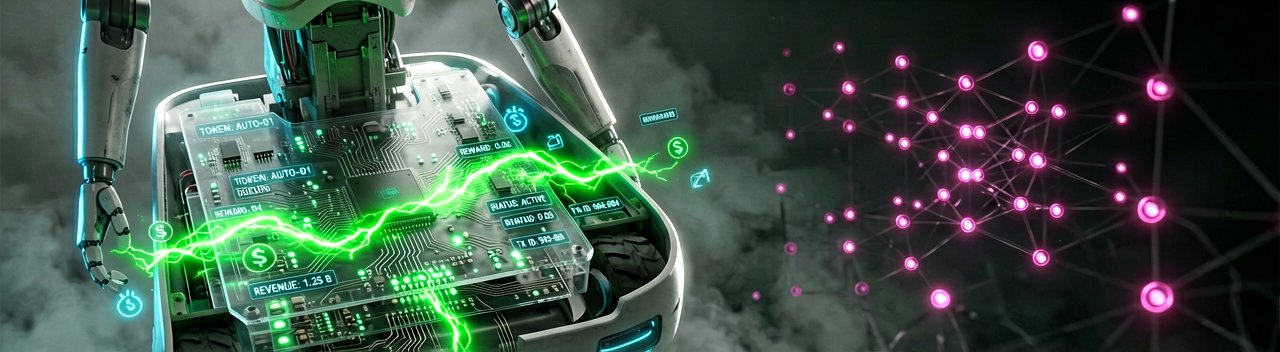
The DAO's investment strategy targets four high-growth verticals in the robotics sector. The portfolio includes pre-IPO stakes in humanoid robot manufacturers like Apptronik, 1X Technologies, Agility Robotics, Figure AI, and Neura Robotics. It also backs companies developing the physical AI stack—actuators, sensors, chips, and infrastructure powering the robotics ecosystem.
Cryptonews.net reports that this integration represents XMAQUINA's continued efforts to bring real robot value exchange on-chain. The outlet notes that the platform is addressing economic exclusion by enabling mainstream Web3 users to access AI and robotic technologies traditionally controlled by larger institutions.
Token holders gain governance control over several critical decisions. They can direct the DAO's strategy by allocating capital, managing the treasury, and steering the future of robotics capital markets. Proposals can direct value inflows toward acquiring robotics equity, DEUS buybacks, and staking rewards. Every robotics SubDAO token launched through the RCM Protocol is paired with DEUS, locking liquidity and driving consistent demand as trading accelerates.
The physical reality of this system involves users connecting wallets to the platform, navigating governance dashboards, and waiting for proposals to execute on-chain. Unlike traditional venture capital where institutional investors make decisions behind closed doors, DEUS holders interact directly with the treasury through blockchain transactions. The tactile experience—clicking through voting interfaces, watching transaction confirmations, checking portfolio valuations—grounds the abstract concept of decentralized robotics investment in actual user behavior.
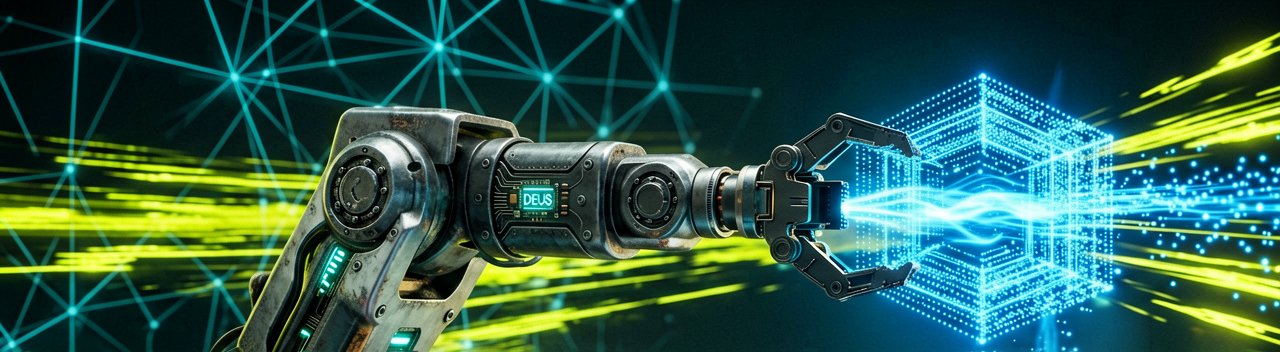
Industry analysts note that the robotics sector is emerging as a new Web3 vertical. Traditionally, robots operated as tools dependent on centralized enterprise scheduling systems. The convergence of on-chain payments, AI agents, and the growing machine economy is changing this dynamic. XMAQUINA's expansion into major blockchain networks like Base positions it to accelerate adoption of robotic use cases in the Web3 landscape.
Whether the model achieves sustainable returns for token holders remains the real question. The platform's success depends on the performance of its underlying robotics investments, the continued growth of the Base ecosystem, and whether decentralized governance can effectively navigate the complexities of physical AI markets. Users will need to weigh the promise of democratized access against the inherent risks of early-stage robotics investments.
The technology works on paper. Whether it works in practice when markets turn volatile is what separates marketing from reality.
Artūras Malašauskas is an AI Systems Integrator with 20+ years of production-grade web engineering experience. He has designed, shipped, and scaled enterprise Python/PHP systems for logistics, SaaS, and public-sector clients. For the past year, he has focused exclusively on AI integrations: deploying open-source LLMs, building generative media pipelines (image, audio, video), and engineering multi-agent workflows for real production environments. His standard: reproducibility, security, cost-efficient inference—no vaporware. He documents and evaluates emerging AI tooling, separating verified capabilities from marketing noise. Technical editor at: muza-ai.eu, ai-verslas.lt, ai-naujinos.lt Connect on LinkedIn
Comments