CGHMC Launches Philippines' First Toumai Single-Port Robotic Surgical System
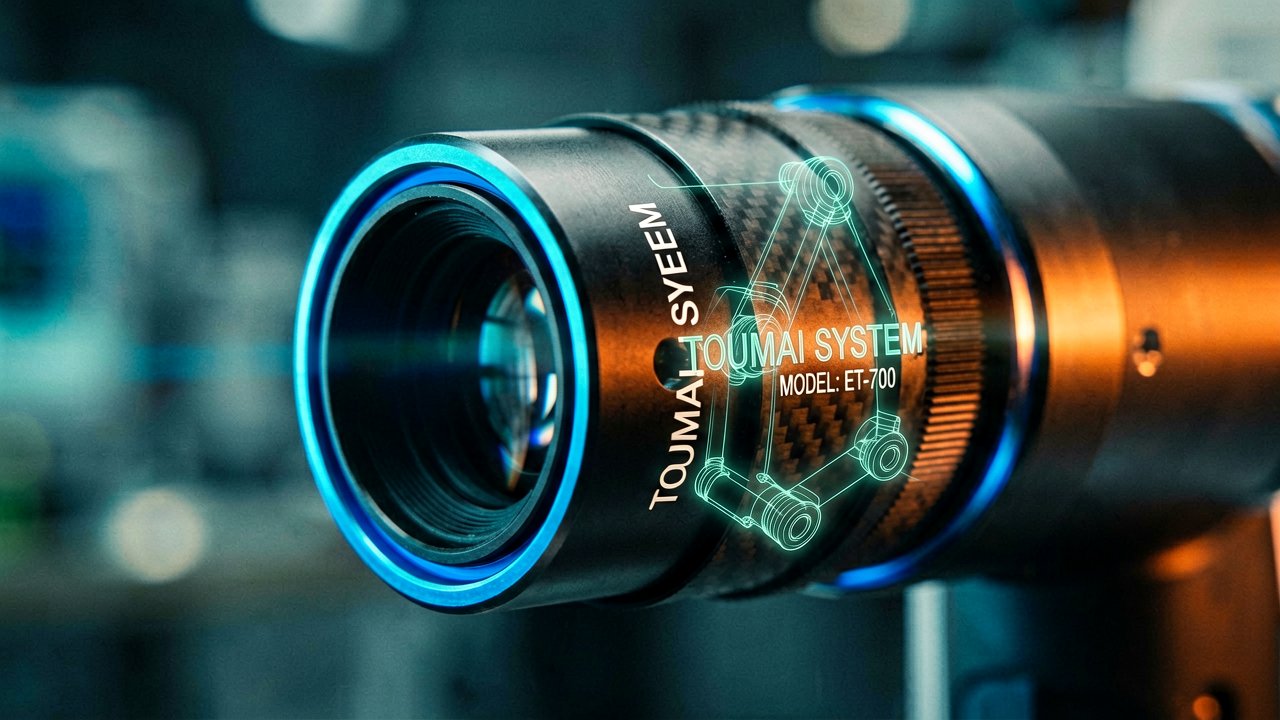
Chinese General Hospital and Medical Center announced the acquisition and official launch of the Toumai Endoscopic Single-Port Robotic Surgical System on May 12, 2026. The facility in Manila has become the first hospital in the Philippines to deploy this single-port robotic surgical platform, following official approval from the Philippine Food and Drug Administration.
The announcement came through the hospital's official channels, with President and CEO Mr. Kelly Sia leading the unveiling. According to the CGHMC press release, the system represents a significant shift in how minimally invasive procedures will be performed across the country.
Single-port robotic surgery differs fundamentally from traditional multi-port approaches. Instead of creating multiple incision sites for robotic arms to enter the body, the Toumai system operates through a single entry point. This physical reality matters for patients: fewer incisions mean less tissue trauma, reduced postoperative pain, and shorter hospital stays. The recovery timeline compresses because the body has less wound surface area to heal.
The system targets three primary surgical categories: urologic procedures, gynecologic operations, and general surgical interventions. Each of these specialties benefits from the precision that robotic assistance provides, combined with the reduced invasiveness of a single-port approach. Surgeons can manipulate instruments with enhanced dexterity while the patient experiences less physical disruption.

Daily Tribune coverage of the event noted the presence of government officials who underscored the broader implications. Department of Health Secretary Dr. Teodoro Herbosa and Chinese Ambassador H.E. Jing Quan attended the launch, highlighting the growing medical collaboration between the Philippines and China. The technology acquisition reflects international partnerships that are increasingly common in healthcare infrastructure development.
Independent reporting from Daily Tribune corroborates the timeline and scope of the launch. The coverage emphasizes that this marks a transformative step for minimally invasive surgery in the Philippines, reinforcing CGHMC's positioning as a leader in medical innovation.
The physical experience of single-port surgery differs from what patients encounter with traditional laparoscopic or multi-port robotic procedures. Surgeons work through one small incision rather than multiple access points scattered across the abdomen or surgical field. This reduces the visible scarring patients must live with long-term. The cosmetic outcome alone represents a meaningful improvement for many patients.
From a hospital operations perspective, shorter hospital stays translate to reduced bed occupancy times. This creates capacity for more patients to be treated within the same facility footprint. The economic implications extend beyond the immediate surgical procedure to overall hospital throughput and resource allocation.

Robocare Surgical Center at CGHMC now handles inquiries about the system through dedicated contact channels. The hospital has established specific phone lines and email addresses for patients seeking information about procedures that can utilize the Toumai platform. This infrastructure suggests the system is operational and ready for clinical use, not merely a ceremonial announcement.
The FDA approval process for medical devices in the Philippines involves rigorous evaluation of safety and efficacy data. The Toumai system cleared this regulatory hurdle before deployment, which means clinical trial data and performance metrics met the standards required for patient use. This regulatory clearance provides a baseline level of confidence for patients considering these procedures.
Single-port robotic technology has been available in other markets for several years. The Philippines adoption timeline places the country behind some regional competitors but still within the window of current surgical innovation. The technology is not experimental at this point; it represents established practice in markets where it has been deployed longer.
The investment in this technology signals CGHMC's commitment to maintaining competitive positioning in the Philippine healthcare market. Hospitals that adopt advanced surgical platforms early can attract patients seeking the latest treatment options. This creates a cycle where technology investment drives patient volume, which funds further innovation.
Whether the single-port approach becomes standard practice across Philippine hospitals remains uncertain. The capital cost of robotic surgical systems is substantial, and maintenance contracts add ongoing expenses. Smaller facilities may find the investment prohibitive, creating a tiered system where advanced surgical care concentrates in major urban centers.
The Toumai system's deployment also reflects broader trends in medical device sourcing. Chinese medical technology manufacturers are increasingly competitive in global markets, offering alternatives to established Western brands. This diversification can drive prices down and increase availability, though quality assurance remains critical for patient safety.
Patients considering procedures that could utilize the Toumai system should consult with their surgeons about eligibility. Not all surgical cases are suitable for single-port approaches, and patient anatomy, medical history, and specific procedure requirements determine whether this technology applies. The marketing language about "faster recovery" applies to appropriate candidates, not universally.
The hospital's contact information for the Robocare Surgical Center suggests patients can now schedule consultations. The dedicated phone lines and email address indicate the system is integrated into clinical operations rather than remaining a demonstration unit. This operational readiness distinguishes the announcement from many technology unveilings that remain ceremonial.
Whether patients actually benefit from the reduced recovery time depends on individual factors beyond the surgical technique itself. Postoperative care, patient compliance with recovery protocols, and underlying health conditions all influence outcomes. The technology provides tools for better results, but it does not guarantee them.
The launch represents a concrete step forward for Philippine healthcare infrastructure, even if the broader implications remain to be seen. Whether this technology becomes widely accessible or remains concentrated in premium facilities depends on market dynamics, insurance coverage, and cost structures that extend beyond the hospital's control.
For now, the Toumai system is operational at CGHMC, and patients seeking minimally invasive surgical options have a new avenue to explore. The question is whether the benefits justify the costs for individual patients, and whether the technology will trickle down to more affordable healthcare settings over time.
Artūras Malašauskas is an AI Systems Integrator with 20+ years of production-grade web engineering experience. He has designed, shipped, and scaled enterprise Python/PHP systems for logistics, SaaS, and public-sector clients. For the past year, he has focused exclusively on AI integrations: deploying open-source LLMs, building generative media pipelines (image, audio, video), and engineering multi-agent workflows for real production environments. His standard: reproducibility, security, cost-efficient inference—no vaporware. He documents and evaluates emerging AI tooling, separating verified capabilities from marketing noise. Technical editor at: muza-ai.eu, ai-verslas.lt, ai-naujinos.lt Connect on LinkedIn
Comments