Unitree Unveils GD01 Manned Mecha at $574,000 Price Tag
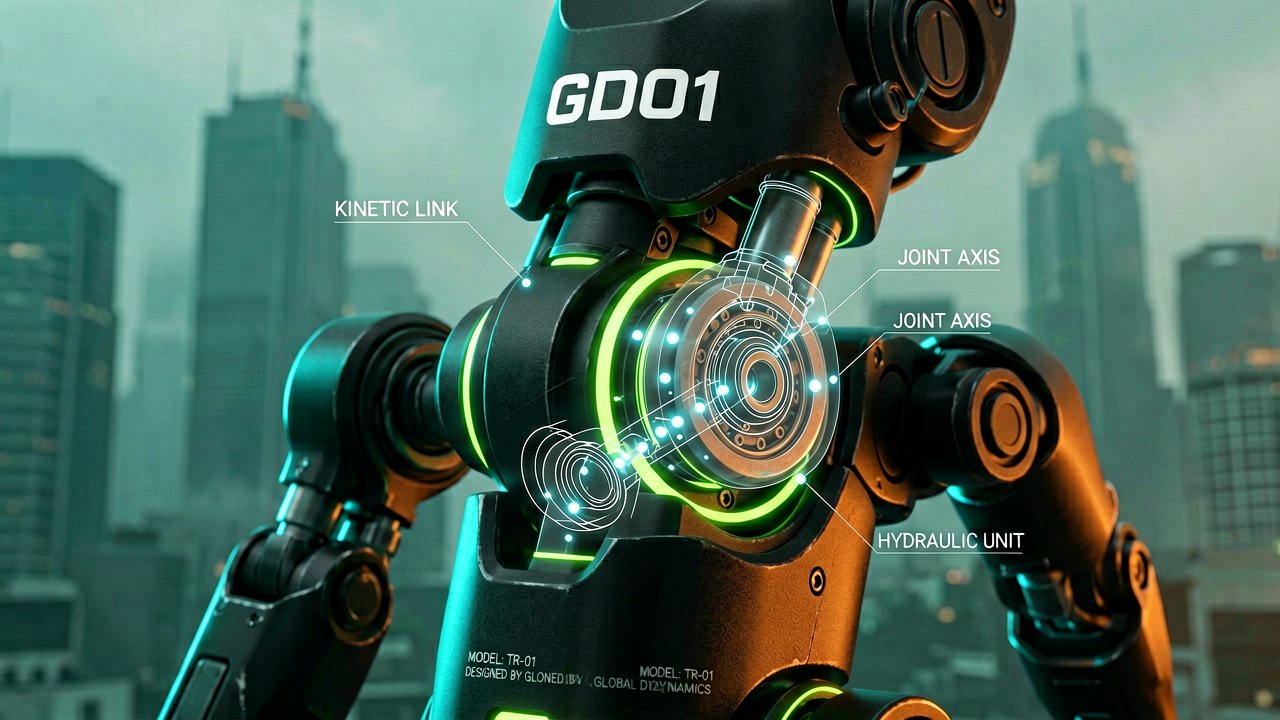
Chinese robotics manufacturer Unitree Robotics unveiled the GD01 on Tuesday, a transformable manned mecha that shifts between bipedal and quadruped modes. The company has priced the machine at 3.9 million yuan (approximately $574,000), positioning it as the world's first production-ready manned mecha.
The announcement landed on Chinese social media platforms with immediate impact, climbing Weibo's trending topics within hours. Netizens compared the machine to Transformers and Gundam, with one user writing, "How did they even come up with this track? It feels like watching Transformers in real life."
A demonstration video shows Unitree founder Wang Xingxing seated inside the torso-mounted cockpit. The machine walks upright, knocks over a brick wall with its hand, then reconfigures its chassis into a four-legged crawl. The entire transformation happens in seconds, though the video doesn't show the actual mechanics of the shift.
According to the Global Times, Huang Jiawei, a marketing staff member at Unitree, confirmed the 3.9 million yuan figure is only a preliminary reference price. "The final production version may still be adjusted depending on performance optimization," Huang said.

The company explicitly defines the GD01 as a civilian vehicle. It weighs approximately 500 kilograms with a pilot on board—roughly the weight of a grand piano. That mass matters when you consider the physical reality of operating it. Getting into a cockpit mounted on a 500kg machine that can walk and transform isn't something you casually do before work (unlike hopping into your sedan).
Unitree did not disclose detailed technical specifications beyond the transformation capability and weight. The company shared only a one-minute video on Weibo and X, leaving questions about battery life, range, and control systems unanswered.
This launch arrives during a critical expansion period for the Hangzhou-based company. Unitree is preparing for an IPO on Shanghai's STAR Market, planning to raise up to 4.2 billion yuan to fund embodied AI research and manufacturing expansion. The company's 2025 annual revenue reached 1.708 billion yuan, a 335.4% year-on-year surge.
Net profit excluding non-recurring gains jumped nearly sevenfold to 600 million yuan. Unitree ranked first globally in humanoid robot shipments last year, ahead of competitors like Tesla. The GD01 further enriches the company's product matrix, spanning from humanoid robots to manned mechas.
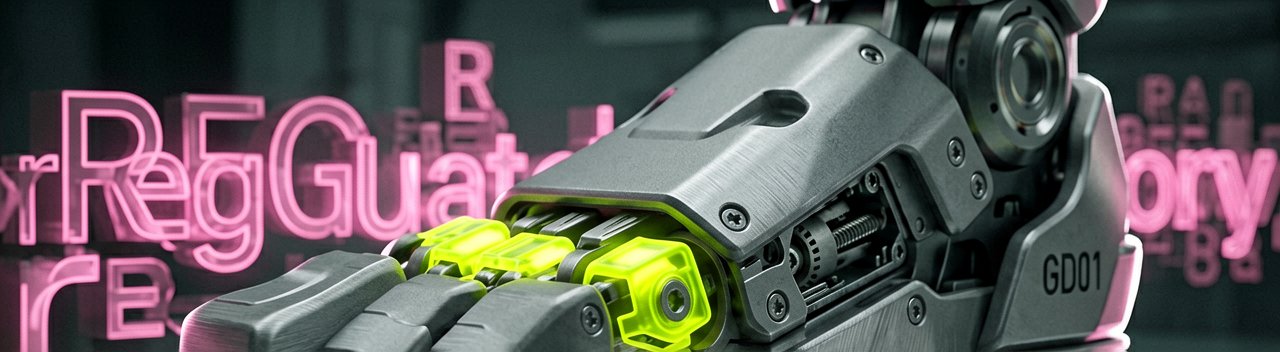
Independent reporting from South China Morning Post corroborates the pricing and transformation details. The publication notes the machine resembles an Autobot from a Transformers movie, designed for civilian transport.
Regulatory questions immediately surfaced. One Weibo user asked whether a driver's license would be required to operate the mecha. Another questioned what kinds of roads or areas it could actually be used in—tourist sites, industrial parks, or private property?
Overseas social media reactions were mixed. YouTube users called it "the advent of a mecha era," while Reddit commenters noted it looked "pretty awkward to get into." One user wrote, "Call me when it's like Titanfall where I can grapple at my mech and it can grab me and toss me inside."
The practical application scenarios remain unclear. Huang told the Global Times that Unitree's products are "mainly aimed at changing the way we work," citing high-risk and harsh environments. But the GD01's demo showed it knocking over bricks—a destructive capability that raises questions about civilian use cases.
Unitree's core business still relies on smaller, cheaper humanoids. By the first three quarters of 2025, humanoid robots had become its main revenue source. The company delivered more than 5,500 humanoid robots in 2025, with about 50% to 70% of revenue from reception and tour-guide jobs rather than advanced manufacturing.
Security concerns also shadow the company's global expansion. A recent assessment of Unitree's G1 humanoid robot described operational risks, including a vulnerability that could let attackers within Bluetooth range gain root-level code execution through a hardcoded fleet-wide key.
The analysis also described persistent telemetry sent to servers at Chinese IP addresses without user notice, including data from several sensors and service-status details. Those issues raise questions about data sovereignty and could slow adoption in sensitive Western industrial or government sites.
Whether the GD01 moves beyond a marketing stunt remains to be seen. The price tag alone places it far beyond ordinary consumers, and the regulatory framework for operating a 500kg transformable machine on public roads doesn't exist yet.
Unitree has the capability for large-scale production, according to Huang, but functional optimization and cost reduction will take time. The product is still in its first generation, with "a lot of room for imagination."
For now, the GD01 serves as a powerful demonstration of engineering capability. Whether anyone outside of wealthy collectors or specialized industrial applications will actually buy one is the real question. Science fiction becoming reality is impressive, but reality also includes traffic laws, insurance premiums, and maintenance costs.
Artūras Malašauskas is an AI Systems Integrator with 20+ years of production-grade web engineering experience. He has designed, shipped, and scaled enterprise Python/PHP systems for logistics, SaaS, and public-sector clients. For the past year, he has focused exclusively on AI integrations: deploying open-source LLMs, building generative media pipelines (image, audio, video), and engineering multi-agent workflows for real production environments. His standard: reproducibility, security, cost-efficient inference—no vaporware. He documents and evaluates emerging AI tooling, separating verified capabilities from marketing noise. Technical editor at: muza-ai.eu, ai-verslas.lt, ai-naujinos.lt Connect on LinkedIn
Comments