Mobilicom Launches SkyHopper Tactical Wearable SDR for Drone Operations
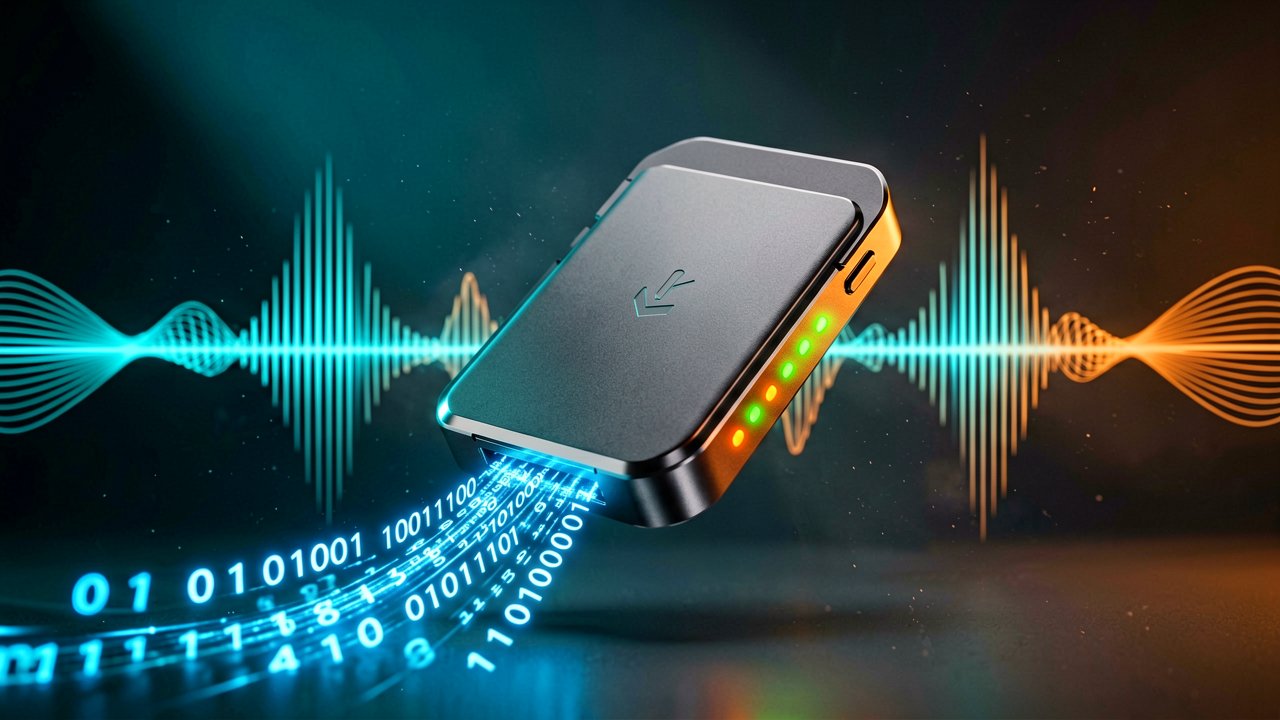
Mobilicom announced the launch of SkyHopper Tactical on May 11, 2026, a new wearable software-defined radio (SDR) targeting tactical drone and autonomous operations. The product expands the company's tactical edge communications portfolio, following the March 2026 introduction of SkyHopper MultiBand. According to the official press release, the platform was developed based on operational requirements identified by the U.S. Department of War and Mobilicom's strategic customers.
The wearable SDR leverages Mobilicom's existing SkyHopper networking architecture and ICE (Immunity, Cybersecurity, Encryption) software suite. It supports point-to-point, multipoint, mesh, and relay topologies across distributed unmanned operations. This isn't just another radio—it's designed for tactical maneuver units operating in GPS-denied and congested electromagnetic environments where traditional communications fail (which happens more often than most operators want to admit).
Mobilicom's official announcement details the platform's core capabilities: multi-controller drone handoff between teams, relay-based range extension, and advanced fleet and swarm operations involving multiple operators and battlefield viewers. The physical reality of this means operators can pass control of a drone mid-mission without losing the connection—a critical feature when terrain blocks line-of-sight signals.
Oren Elkayam, Founder and CEO of Mobilicom, stated that SkyHopper Tactical further expands the company's cybersecure autonomous systems portfolio and strengthens positioning in tactical communications. The platform leverages Secured Autonomy™ principles to support emerging multi-operator, mesh networking, and swarm operational requirements. Initial operational evaluation deliveries are expected during the third quarter of 2026.

This launch follows Mobilicom's March 2026 introduction of SkyHopper MultiBand, growing the company's family of cybersecure SDR solutions for forces operating in contested electronic warfare and complex terrain environments. The progression from MultiBand to Tactical suggests a deliberate product roadmap rather than a reactive market move. Mobilicom appears to be building a layered communications stack for autonomous systems.
Yahoo Finance UK corroborates the announcement, noting the product is designed to expand Mobilicom's tactical edge communications portfolio supporting autonomous systems. The coverage confirms the Q3 2026 delivery timeline and the Department of War operational requirements that shaped the platform's development.
Mobilicom management will showcase SkyHopper Tactical at XPONENTIAL 2026 and Loitering Munitions USA for defense industry participants, strategic customers, and Department of War representatives. These events provide direct access to the exact customer base the product targets—defense contractors and military procurement officers who need to see the hardware in action before committing to contracts.
The company describes itself as a leading provider of cybersecure robust solutions for the rapidly growing defense and commercial drones and robotics market. Mobilicom's portfolio includes cybersecurity, software, hardware, and professional services that power, connect, guide, and secure drones and robotics. Through deployments across the globe with over 50 customers, including the world's largest drone manufacturers, Mobilicom's end-to-end solutions are used in mission-critical functions.

From a technical standpoint, the wearable form factor matters. Operators carrying this device need something that doesn't add bulk to their loadout while maintaining reliable connections across contested electromagnetic environments. The mesh networking capability means the radio can route around interference automatically, extending operational range without requiring additional infrastructure. This is the kind of feature that separates tactical gear from consumer electronics.
The ICE software suite integration is particularly significant. Immunity, Cybersecurity, and Encryption aren't just buzzwords in this context—they're requirements for military-grade autonomous systems operating in contested environments. The platform's ability to support swarm operations means multiple drones can coordinate through the network without centralized control points that could become single points of failure.
Investors should note the forward-looking statements in the press release. Mobilicom explicitly states that expected benefits, including portfolio expansion and positioning in tactical communications, are subject to substantial risks and uncertainties. The Q3 2026 delivery timeline is an expectation, not a guarantee. Defense procurement cycles are notoriously unpredictable, and operational evaluation doesn't always lead to full deployment contracts.
The competitive landscape for tactical drone communications is crowded. Companies like Anduril, Lockheed Martin, and various defense contractors offer similar capabilities. Mobilicom's differentiation appears to be the wearable form factor combined with their existing SkyHopper architecture and ICE cybersecurity suite. Whether this combination provides enough advantage remains to be seen.
For operators in the field, the practical implications are straightforward. A wearable SDR that maintains connections in GPS-denied environments while supporting swarm operations could change how tactical units deploy autonomous systems. The multi-controller handoff feature alone addresses a real pain point—losing drone control when moving between operators or when terrain blocks signals.
Whether defense customers actually pay for it remains the real question. The technology is sound, the market need is genuine, but the defense procurement process is slow and competitive. Mobilicom has 50 customers already, but scaling from commercial deployments to military contracts is a different game entirely. Time will tell if SkyHopper Tactical becomes a standard issue or just another product in the crowded tactical comms market.
Artūras Malašauskas is an AI Systems Integrator with 20+ years of production-grade web engineering experience. He has designed, shipped, and scaled enterprise Python/PHP systems for logistics, SaaS, and public-sector clients. For the past year, he has focused exclusively on AI integrations: deploying open-source LLMs, building generative media pipelines (image, audio, video), and engineering multi-agent workflows for real production environments. His standard: reproducibility, security, cost-efficient inference—no vaporware. He documents and evaluates emerging AI tooling, separating verified capabilities from marketing noise. Technical editor at: muza-ai.eu, ai-verslas.lt, ai-naujinos.lt Connect on LinkedIn
Comments