GoKwik Launches AI-Powered Kwik Ship for Indian Ecommerce Deliveries
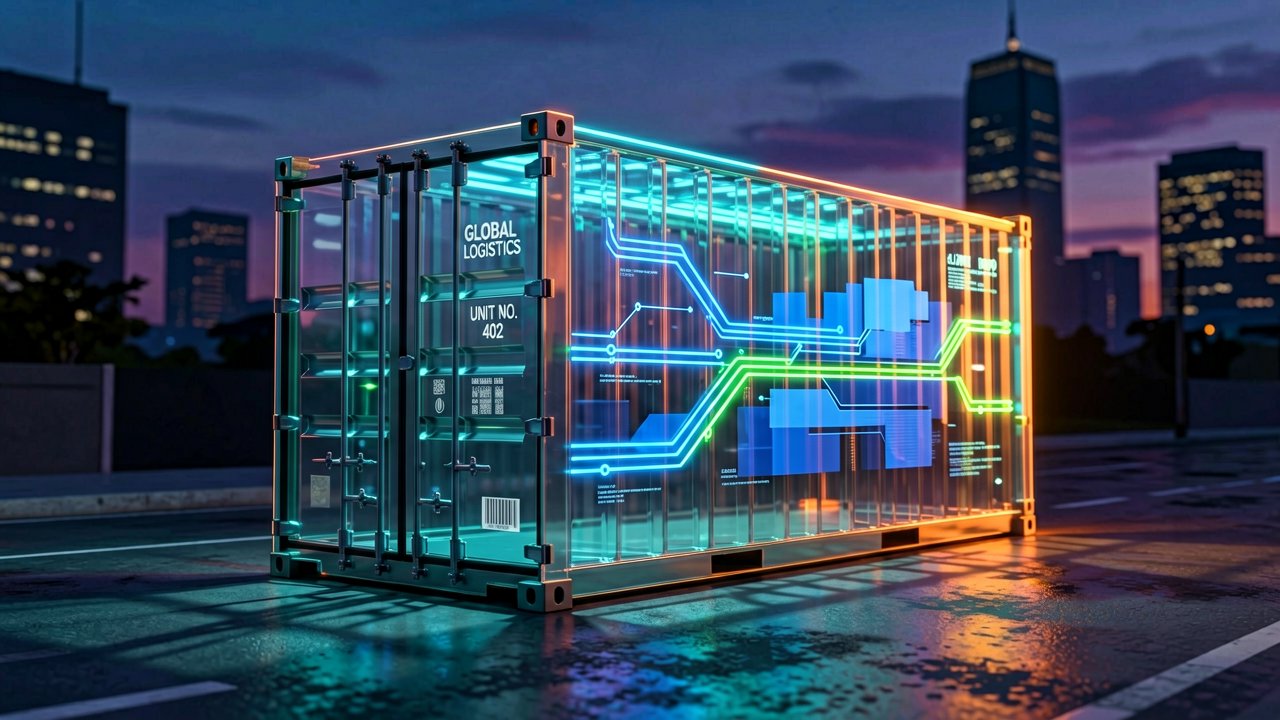
The Indian ecommerce logistics sector received a new entrant this week when GoKwik unveiled Kwik Ship, an AI-powered shipping platform designed to cut failed deliveries and automate customer communication. The company claims brands using the system have seen up to 20% fewer failed deliveries, with orders reaching customers successfully on the first attempt.
According to The Economic Times, the platform addresses three persistent pain points: delayed deliveries, failed delivery attempts, and the frustrating lack of communication after an order is placed. For shoppers, the most tangible change involves greater visibility into package location and realistic arrival timelines.
The system sends automated WhatsApp updates and AI-powered calls to customers with shipment information and delivery reminders. If a delivery is delayed or fails, the platform automatically follows up with delivery partners and customers before the issue escalates into a complaint or cancellation (which is exactly when most support tickets get created, annoying everyone involved).
At checkout, the platform displays more accurate delivery timelines. This helps customers make better purchasing decisions and reduces disappointment from unrealistic delivery expectations. The physical experience matters here: instead of refreshing a tracking page every few hours wondering where the package is, users receive proactive notifications on their phones.

GoKwik said its platform uses data from more than 200 million shopper interactions to identify delivery risks before orders are shipped. The AI routes packages through carriers with stronger performance in specific areas, a critical advantage in smaller cities and towns where logistics networks remain less predictable. India's ecommerce market has expanded rapidly over the past few years, but delivery reliability continues to remain a major concern for consumers.
Many online shoppers still face situations where orders are delayed without updates, marked undelivered despite customers being available, or returned before reaching their doorstep. The platform's Non-Delivery Report management system sequences WhatsApp reminders, AI-powered phone calls, and manual escalations until delivery is successfully completed. This shifts from reactive logistics to proactive execution.
Chirag Taneja, cofounder and CEO of GoKwik, stated: "Shipping is no longer just about moving packages. Customers expect visibility, reliability and faster resolutions when something goes wrong." The company said the platform also reduces the burden on customer support teams by automating shipment updates and delivery follow-ups.
Independent reporting from AdGully corroborates the metrics and adds operational context. One of the most critical challenges in the Indian ecommerce market is the high volume of "Where is my order?" queries, which can overwhelm a brand's support team. Kwik Ship addresses this by automating the queries through WhatsApp and AI-driven calling, reducing WISMO queries by 40%.

Jayanth R, D2C Head at Bombay Shaving Company, provided an early adopter perspective: "Shipping used to be one of our biggest operational blind spots - we'd only hear about problems after a customer complained. With KwikShip's end to end analytics and AI native escalation system, issues get flagged and routed before they become complaints." The quote suggests measurable improvements in customer service overall.
Beyond operational efficiency, Kwik Ship is designed to turn shipping into a growth channel for brands. It features centralized reverse logistics management for returns and exchanges, keeping customers satisfied without burdening the brand's operations. The platform also offers real-time order-to-delivery analytics and opportunities for cross-selling on tracking pages, allowing merchants to drive repeat purchases while the customer is most engaged with the brand.
GoKwik reports that early adopters are experiencing measurable improvements across key logistics metrics. Brands on the platform have reduced RTO rates by up to 20% while saving over 50 hours monthly in operational overhead. The platform accelerates delivery timelines and reduces customer inquiry volume, suggesting that the automation delivers both cost savings and service quality improvements.
Kwik Ship additionally includes return and exchange management features and integrates with more than 50 e-commerce and logistics platforms including Shopify and WooCommerce. This integration layer allows brands to deploy the solution without replacing existing infrastructure. Founded in 2020, GoKwik provides checkout, payments and customer engagement tools to over 15,000 direct-to-consumer brands in India.
The launch extends GoKwik's product portfolio beyond its established offerings in checkout optimization, payment processing, customer engagement, and performance marketing. The platform accelerates delivery timelines and reduces customer inquiry volume, suggesting that the automation delivers both cost savings and service quality improvements.
Whether the 20% reduction in failed deliveries holds across diverse market conditions remains to be seen. The real test comes when the system faces India's notoriously complex last-mile logistics during peak seasons. For now, the technology promises less friction for shoppers and fewer support tickets for brands. Whether users actually pay for the convenience remains the real question.
Artūras Malašauskas is an AI Systems Integrator with 20+ years of production-grade web engineering experience. He has designed, shipped, and scaled enterprise Python/PHP systems for logistics, SaaS, and public-sector clients. For the past year, he has focused exclusively on AI integrations: deploying open-source LLMs, building generative media pipelines (image, audio, video), and engineering multi-agent workflows for real production environments. His standard: reproducibility, security, cost-efficient inference—no vaporware. He documents and evaluates emerging AI tooling, separating verified capabilities from marketing noise. Technical editor at: muza-ai.eu, ai-verslas.lt, ai-naujinos.lt Connect on LinkedIn
Comments