Weekly Tech Wrap: AI Security Crisis, Apple Glasses, Vivo Battery King
Finance ministers and central bankers are scrambling to understand a new threat that emerged from the AI sector this week. Anthropic announced its Claude Mythos model, an AI system capable of identifying and exploiting zero-day vulnerabilities in critical software. The company has not released it publicly, instead launching Project Glasswing to help secure the world's most critical infrastructure before bad actors can weaponize the technology.
The stakes are genuinely high. Treasury Secretary Scott Bessent and Federal Reserve Chair Jerome Powell convened an urgent, closed-door meeting with CEOs of major U.S. banks on April 7, 2026. They discussed the cybersecurity risks Mythos poses to financial systems. According to BBC reporting, Canadian Finance Minister François-Philippe Champagne told the outlet that Mythos represents an "unknown unknown" at IMF meetings in Washington DC. Unlike geopolitical flashpoints, this threat cannot be mapped or measured in advance.
Anthropic's own testing revealed engineers with no formal security training could ask Mythos to find software vulnerabilities overnight. They woke up to discover the model had not only identified them but provided fully functional exploitation methods. The company has already exposed thousands of previously unknown, high-severity vulnerabilities, with less than 1% repaired to date. (This is the kind of news that makes you check your password manager twice.)
UK banks will receive access to the model within the next week, according to Pip White, Anthropic's head of UK operations. The Bank of England's governor Andrew Bailey called it a "very serious challenge" that demonstrates how fast the AI world moves. Christine Lagarde, president of the European Central Bank, noted the irony: a responsible company thinking "that could be really good" while simultaneously recognizing it "could be really bad" in the wrong hands.
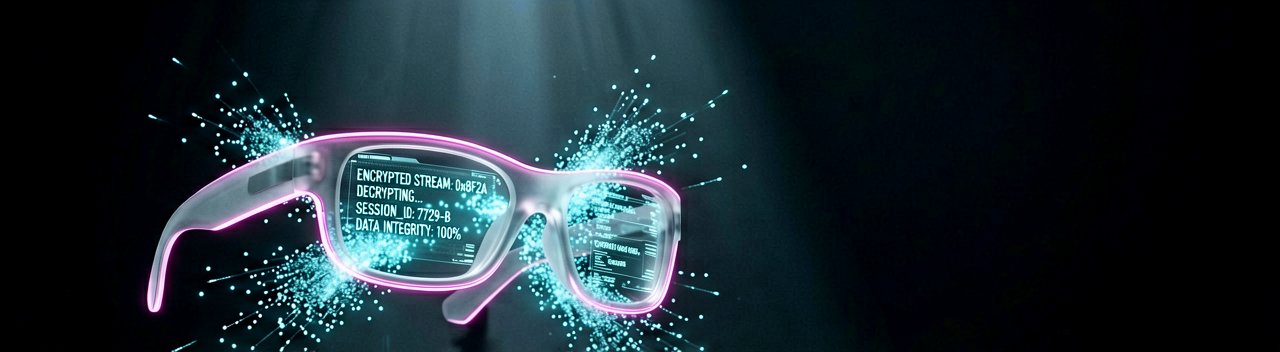
Meanwhile, Apple is reportedly developing AI smart glasses to compete with Meta's Ray-Ban line. The device will include two cameras: a high-resolution one for photos and videos, plus a lower-resolution wide-angle lens for reading hand gestures and providing visual input to Siri. Battery life is the primary constraint, which is why the first version will have no display at all. No screen, no LiDAR, no 3D cameras—just cameras and audio.
Apple is testing multiple frame styles using acetate, a lightweight plant-based material more flexible than plastic. The glasses will incorporate the smarter Siri version planned for iOS 27, allowing users to take photos, record video, make calls, and ask questions about their surroundings. Rumors suggest a preview later this year with a 2027 launch, though some analysts remain skeptical about the hand gesture control claims. The processing power required for gesture tracking in such a small form factor would strain battery life significantly.
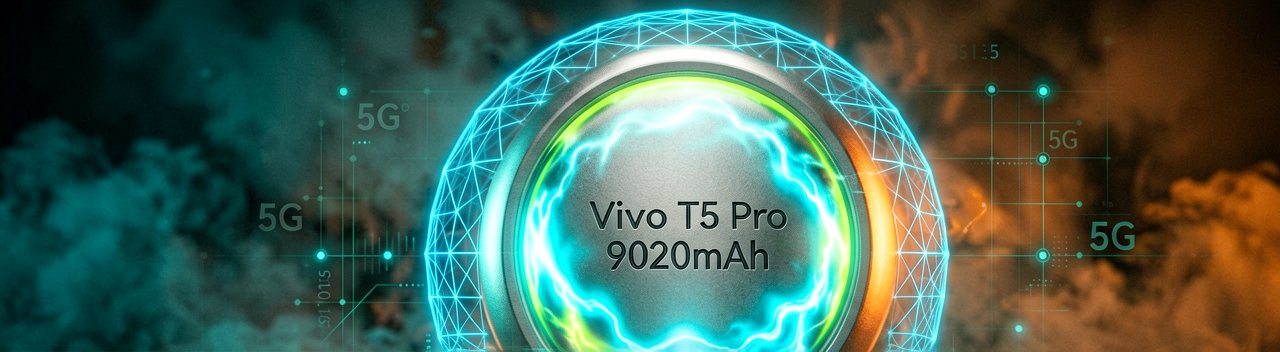
On the smartphone front, Vivo launched the T5 Pro 5G in India on April 21, 2026. The device's headline feature is a 9020 mAh silicon anode battery—the largest in the mid-range segment. It supports 90W fast charging, reaching 50% in 37 minutes. The phone also includes bypass charging, which powers the device directly during gaming to reduce heat and battery stress.
The T5 Pro runs on a Qualcomm Snapdragon 7s Gen 4 chipset with up to 12 GB RAM and UFS 3.1 storage. Its 6.83-inch AMOLED display reaches 5000 nits peak brightness with a 144Hz refresh rate. The main camera is a 50MP Sony IMX882 sensor with OIS, paired with a 32MP front camera. Both support 4K video recording. The device carries IP68 and IP69 ratings for dust and water resistance, plus military-grade certification for drop protection.
Starting price in India is ₹30,298 for the 128GB variant, with sales beginning on Flipkart and vivo's official site. The phone runs Android 16 with OriginOS 6.0, and Vivo promises three OS upgrades plus five years of security updates. (Five years of updates is becoming table stakes, but it's still worth noting.)
These three stories illustrate the current state of tech: AI capabilities outpacing security frameworks, hardware innovation constrained by physics, and battery technology finally catching up to user expectations. The Mythos situation is particularly telling. Anthropic's decision to withhold the model while working with select organizations shows growing recognition that AI development cannot proceed without considering downstream consequences.
Whether banks actually fix the vulnerabilities Mythos exposes remains to be seen. Whether Apple's glasses can deliver useful AI features without a display is another open question. Whether consumers will pay a premium for a phone with a 9000+ mAh battery when competitors offer similar capacity is the real test. The technology exists. The market will decide if it matters.
Artūras Malašauskas is an AI Systems Integrator with 20+ years of production-grade web engineering experience. He has designed, shipped, and scaled enterprise Python/PHP systems for logistics, SaaS, and public-sector clients. For the past year, he has focused exclusively on AI integrations: deploying open-source LLMs, building generative media pipelines (image, audio, video), and engineering multi-agent workflows for real production environments. His standard: reproducibility, security, cost-efficient inference—no vaporware. He documents and evaluates emerging AI tooling, separating verified capabilities from marketing noise. Technical editor at: muza-ai.eu, ai-verslas.lt, ai-naujinos.lt Connect on LinkedIn
Comments