Expressive E Unveils Osmose CE MIDI Controller Ahead of Superbooth 2026
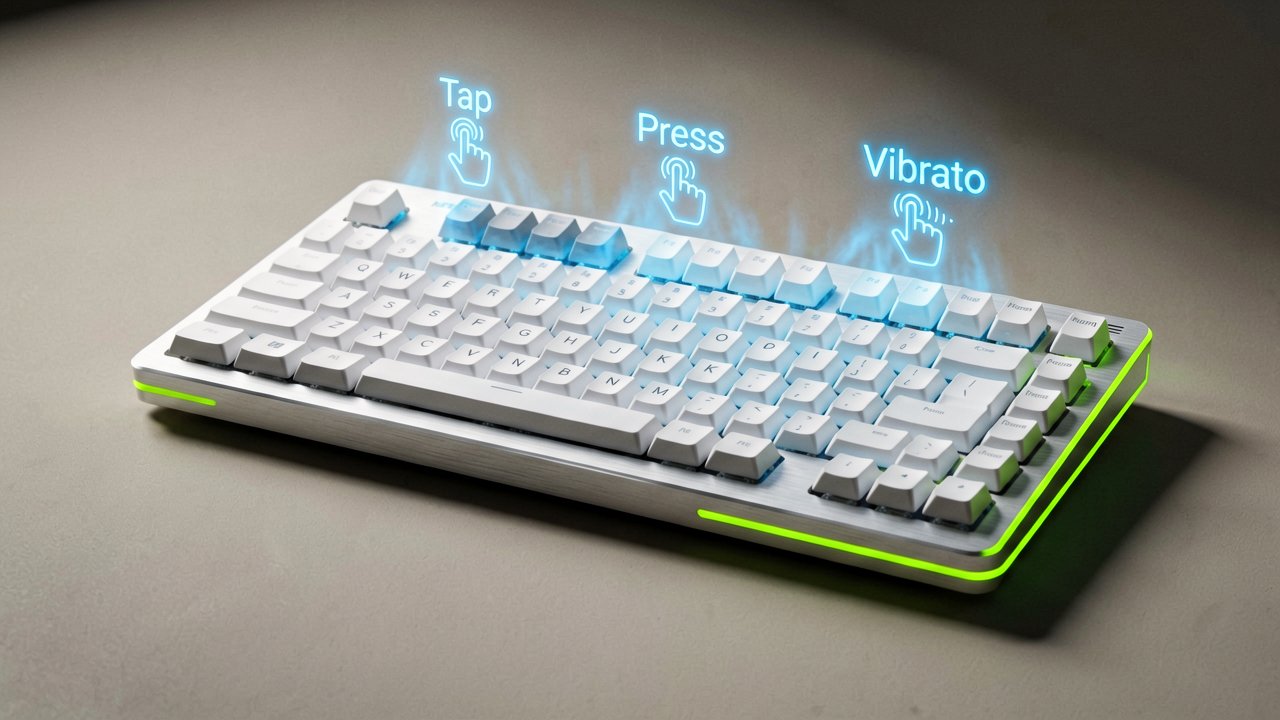
Ahead of Superbooth 2026, Expressive E has unveiled the Osmose CE, a MIDI controller built around the same three-dimensional MPE keybed as its original Osmose synthesizer. The French manufacturer is stripping away the internal EaganMatrix synth engine while keeping the expressive hardware intact, positioning this as a dedicated controller for DAW workflows and third-party software instruments.
The announcement comes via MusicRadar's coverage, which details the pricing and technical specifications. The 49-key version retails for $999, while the 61-key model costs $1,199. Both units weigh approximately 10kg and feature a white aluminum chassis—a deliberate visual distinction from the black original Osmose released in 2023.
Here's the core innovation: Osmose CE ships with Ctrl-e, a free companion plugin that bundles over 900 expressive presets from multiple developers. This addresses a persistent friction point with MPE controllers—configuration complexity. Users no longer need to manually map gestures to parameters. The presets respond immediately to the seven expressive gestures the keybed supports: Tap, Press, Pitch Bend, Vibrato, Shake, Strum, and Note-Off. (Finally, someone solved the MPE routing headache that's frustrated players for years.)
The Ctrl-e ecosystem integrates sound engines from Synapse Audio, AAS, Kilohearts, GForce, Dawesome, and Vital. Each preset includes eight pre-mapped macros accessible via the hardware's seven encoders and nine buttons. The 4.3-inch color LCD displays preset information and DAW navigation elements when connected to supported software.
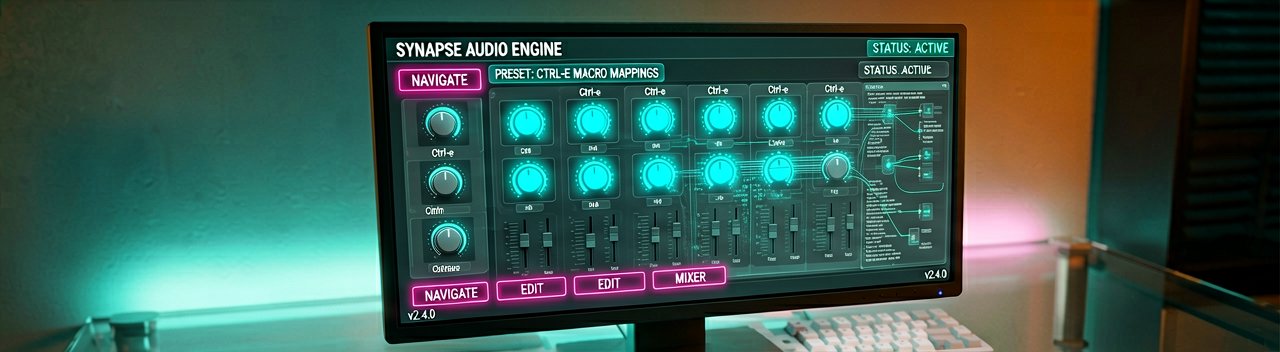
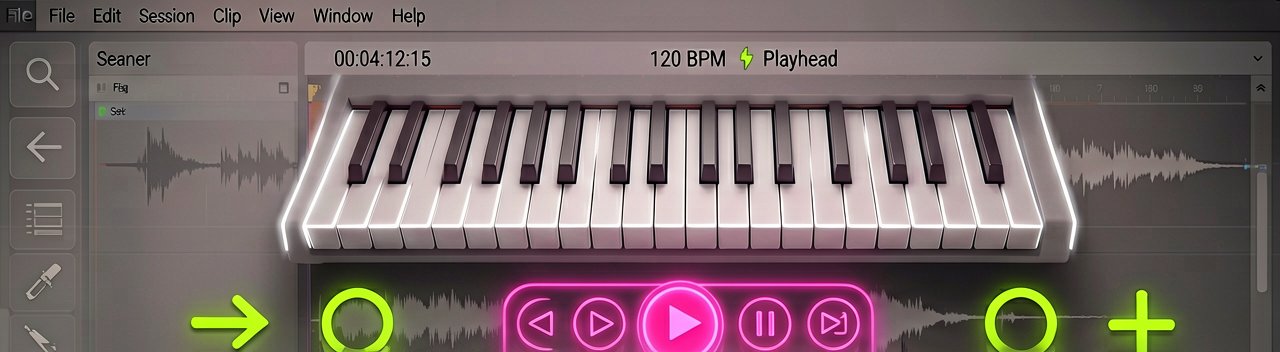
DAW integration is automatic for Ableton Live 12+, Cubase 15+, Bitwig 5+, and Logic Pro 12+. The controller detects the host and activates transport controls, track navigation, device navigation, and mixer functions. This isn't just MIDI CC mapping—it's context-aware control that changes based on which DAW is running.
Physically, the experience mirrors the original Osmose. Full-size black and white keys offer per-note pitch bend and polyphonic aftertouch. The pitch and modulation sliders feel substantial, not flimsy. Two assignable pedal inputs sit on the rear panel alongside 5-pin DIN MIDI In, Out, and Thru ports. Power delivery comes via USB-C (5V/3A), with a separate USB-C port for MIDI data. The unit isn't bus-powered, so expect a dedicated power brick in the box.
Existing Osmose owners aren't left behind. Expressive E confirmed that current firmware updates will bring DAW integration and Ctrl-e compatibility to the original synth. This is a smart move—retaining the installed base while expanding the product line for new buyers who want the keybed without the internal engine.
The business logic is clear. MPE adoption has been slow, partly because configuring MPE-capable software requires technical knowledge most producers don't want to spend time on. By bundling pre-mapped presets, Expressive E removes that barrier. The Osmose CE becomes plug-and-play expressive control rather than a project requiring hours of setup.
Independent reporting from Synthanatomy corroborates the specifications and notes the manufacturing location: Poland, at Expressive E's in-house facility. This matters for quality control and supply chain stability—two areas where the original Osmose faced early challenges.
Connectivity is traditional but complete. No audio outputs exist on the rear since there's no internal engine. MIDI In/Out/Thru covers hardware synth integration. USB-C handles both power and data. The two pedal inputs can trigger macros or sustain functions depending on configuration. It's a clean, focused I/O panel without unnecessary clutter.
The white finish raises practical questions. White keyboards show dust, fingerprints, and wear more visibly than black. Long-term ownership will test whether the aesthetic choice holds up in studio environments. Some users may find themselves constantly wiping down the surface.
For producers working in-the-box, the Osmose CE represents a significant step forward. The MPE Arpeggiator and Press Glide features—dynamic portamento that reacts to pressure on two notes—translate directly to software instruments. This isn't theoretical expressiveness. It's tactile, immediate control over sound parameters that traditional MIDI controllers simply cannot replicate.
Whether the $999–$1,199 price point justifies the investment depends on workflow needs. Traditional MIDI controllers cost a fraction of this. But they lack the dimensional control. The Osmose CE sits in a niche: expensive enough to be a serious purchase, but positioned as a workflow enhancer rather than a complete instrument.
Expressive E's strategy mirrors the broader MPE adoption curve. Early adopters bought the original Osmose for its synth engine. Now the company targets the larger market of producers who want expressive control but already own their sound engines. It's a logical expansion, not a replacement.
The real test comes when users actually play the hardware. Can the gestures feel natural after extended sessions? Does the Ctrl-e plugin load quickly without latency? Will the white finish survive years of studio use? These questions won't be answered until units ship and reviews accumulate.
Availability timing aligns with Superbooth 2026, suggesting pre-orders may open soon. Expressive E's track record shows demand often outstrips initial supply. The original Osmose faced production delays. History suggests patience may be required for immediate buyers.
Whether users actually pay the premium for this level of expressiveness remains the real question. The technology works. The integration is seamless. But the market for MPE controllers has always been smaller than traditional MIDI. Expressive E is betting that removing configuration friction will expand that market. Time will tell if the math works out.
Artūras Malašauskas is an AI Systems Integrator with 20+ years of production-grade web engineering experience. He has designed, shipped, and scaled enterprise Python/PHP systems for logistics, SaaS, and public-sector clients. For the past year, he has focused exclusively on AI integrations: deploying open-source LLMs, building generative media pipelines (image, audio, video), and engineering multi-agent workflows for real production environments. His standard: reproducibility, security, cost-efficient inference—no vaporware. He documents and evaluates emerging AI tooling, separating verified capabilities from marketing noise. Technical editor at: muza-ai.eu, ai-verslas.lt, ai-naujinos.lt Connect on LinkedIn
Comments