Five Tablets Balance Screen Size and Battery for Mobile Streaming
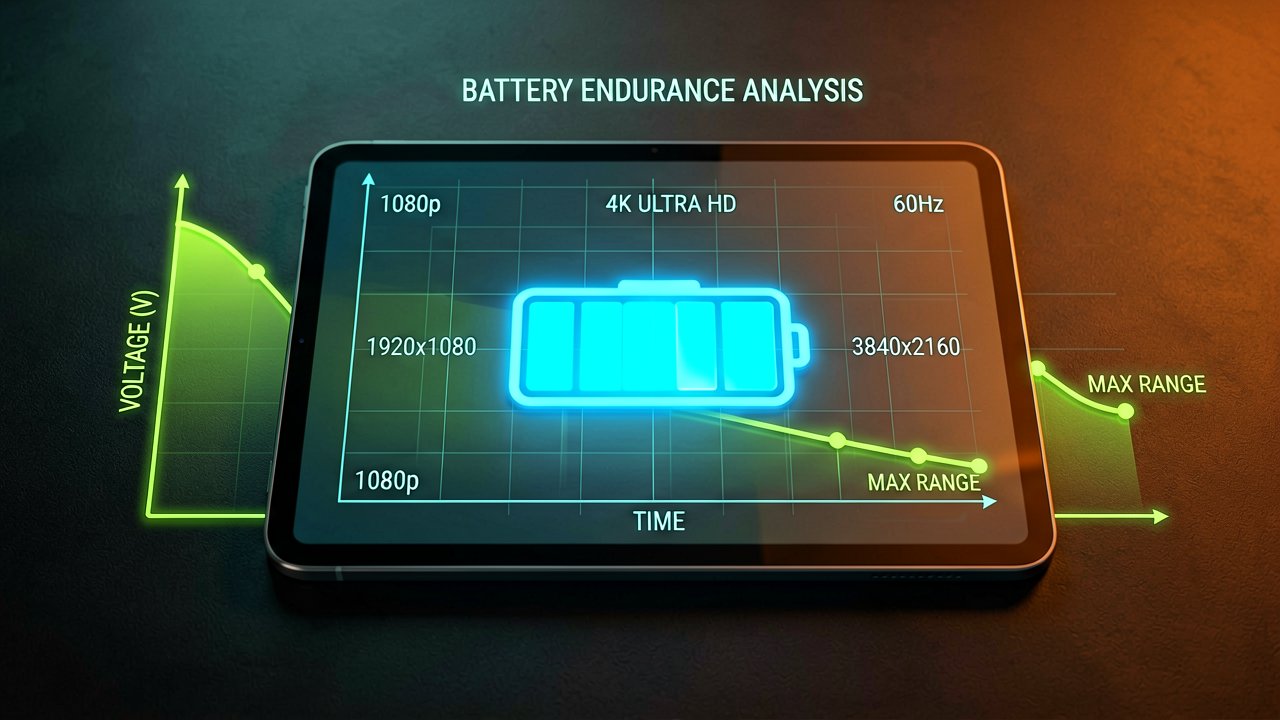
Streaming video on cramped screens during commutes or travel strips away immersion. The physical reality of holding a device for hours matters just as much as resolution specs. Mint published a buying guide on April 25, 2026, evaluating five tablets that balance large displays with battery endurance for mobile viewing.
The publication's selection criteria reflect actual usage patterns rather than benchmark scores alone. Editors prioritized screens between 10 and 11 inches—large enough for immersion but manageable for one-handed holding. Battery life ranked high because streaming drains power quickly, and wall outlets aren't always available during travel. Sound quality received equal weight since built-in speakers often disappoint on budget devices. Ergonomics mattered too; lightweight designs reduce wrist fatigue during extended sessions.
The Apple iPad 11-inch (2025) earned the best overall designation. Its Liquid Retina display delivers sharp visuals, while the A16 chip handles multitasking without stuttering. All-day battery life supports long viewing sessions, and iPadOS optimization ensures smooth app navigation. The device supports Apple Pencil and keyboard accessories, expanding utility beyond entertainment. Buyers on Amazon praise the premium build and display clarity, though some note the higher pricing. Expensive accessories compound the cost (a problem that has plagued users for years, frankly).
Mint's full review details the iPad's ecosystem integration and long-term software support as key advantages for professionals and students. The trade-off remains customization limitations compared to Android alternatives.
The OnePlus Pad Go 2 targets value-conscious buyers seeking immersive audio. Its 12.1-inch 2.8K display supports Dolby Vision, while quad speakers deliver room-filling sound. A 10,050 mAh battery sustains extended playback, and fast charging minimizes downtime. OxygenOS provides a clean interface with tablet-specific productivity features. The device handles casual gaming and media consumption efficiently. Some users report limited app optimization for tablet use, which can affect certain streaming platforms.
Motorola Pad 60 Neo emphasizes simplicity. The Pantone-validated display ensures color accuracy for media viewing. Near-stock Android delivers smooth navigation without bloatware. Stereo speakers support long entertainment sessions, though performance remains adequate rather than exceptional for heavy tasks. Buyers appreciate the clean interface and dependable everyday usability. The minimalist design appeals to users seeking reliability over premium features.
The realme Pad 2 LTE positions as the most affordable option at ₹17,999. Its 11.5-inch display provides immersive viewing in a slim, lightweight chassis. Decent speakers and stable performance handle streaming, browsing, and light gaming. Good battery life supports casual users and students. The affordable pricing makes it practical for everyday entertainment, though processing power suits light usage rather than demanding applications.
Xiaomi Pad 8 Nano Texture Display Creator's Edition commands the highest price at ₹43,999. The 11.2-inch 3.2K display with 120Hz refresh rate delivers premium visuals. Snapdragon 8s Gen 4 processor handles gaming and multitasking efficiently. Dolby Vision support and quad speakers enhance media consumption. The 9,200 mAh battery sustains long sessions, while Wi-Fi 7 ensures fast connectivity. Premium aluminium construction adds durability. Buyers praise performance and display quality, though software optimization varies depending on update schedules.

Screen size versus resolution presents a genuine trade-off. Larger screens improve immersion, but higher resolution ensures sharper visuals and better clarity. Both matter for streaming quality. A 12-inch 2K display may feel more engaging than an 11-inch 4K panel during casual viewing, yet the resolution advantage becomes apparent with detailed content. Physical handling differs too—larger tablets require two hands for comfortable holding, which affects portability.
Processor requirements for streaming remain modest. High-end chipsets aren't necessary for video playback, but capable processors ensure smoother app navigation and better multitasking. Background tasks like notifications or downloads shouldn't interrupt streaming sessions. Battery drain correlates with processor efficiency; older or less optimized chips consume more power during extended use.
Audio quality often gets overlooked in tablet reviews. Built-in speakers vary dramatically across price segments. Quad speaker configurations deliver noticeably better spatial audio than stereo setups. Dolby Vision and Atmos support enhance immersion, though actual benefit depends on content availability. External headphones remain an option, but integrated audio matters for spontaneous viewing without additional accessories.
Weight and ergonomics directly impact viewing comfort. Holding a 600-gram tablet for two hours creates wrist strain compared to a 450-gram alternative. Bezel thickness affects grip and overall device footprint. Matte finishes reduce fingerprints and glare during outdoor use. These physical characteristics matter more than spec sheets suggest.
Whether users actually pay for premium features remains the real question. Budget tablets handle streaming adequately, while flagship models offer diminishing returns for casual viewers. The right choice depends on usage patterns, budget constraints, and ecosystem preferences. Battery degradation over time also affects long-term value—devices with replaceable batteries or efficient power management retain usability longer.
Mint's affiliate marketing partnership means commissions may be earned through retailer links, though editorial content remains independent. The guide prioritizes products from brands with proven market trust and reputation. Every review lists pros and cons for balanced evaluation. Readers should verify current pricing and availability before purchasing, as tablet markets shift rapidly.
Artūras Malašauskas is an AI Systems Integrator with 20+ years of production-grade web engineering experience. He has designed, shipped, and scaled enterprise Python/PHP systems for logistics, SaaS, and public-sector clients. For the past year, he has focused exclusively on AI integrations: deploying open-source LLMs, building generative media pipelines (image, audio, video), and engineering multi-agent workflows for real production environments. His standard: reproducibility, security, cost-efficient inference—no vaporware. He documents and evaluates emerging AI tooling, separating verified capabilities from marketing noise. Technical editor at: muza-ai.eu, ai-verslas.lt, ai-naujinos.lt Connect on LinkedIn
Comments